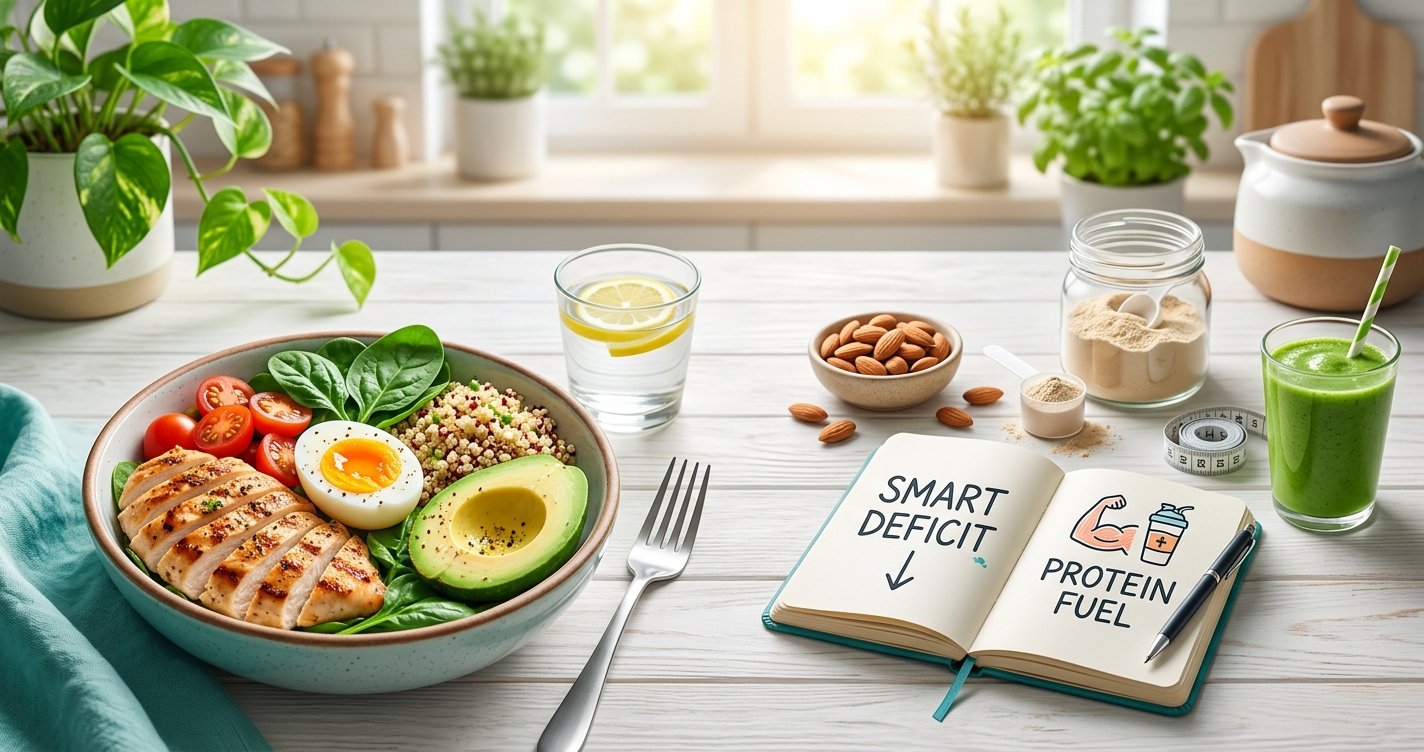
Are you tired of quick-fix diets that promise the world but leave you feeling frustrated and hungry? You're not alone. The journey to sustainable fat loss can feel like navigating a maze, with conflicting advice at every turn. But what if we told you there are two fundamental, evidence-backed pillars that can simplify your approach and deliver lasting results?
Welcome to the world of a smart calorie deficit combined with the incredible power of protein. This isn't about deprivation or extreme measures; it's about understanding your body, fueling it wisely, and building habits that support your goals for the long haul. Let's ditch the confusion and embrace a friendly, science-backed strategy that works! this excellent wellness product
Understanding the Calorie Deficit: Your Foundation for Fat Loss
At its core, fat loss boils down to a simple principle: you need to consume fewer calories than your body burns. This is what we call a 'calorie deficit,' and it's the non-negotiable foundation for shedding unwanted fat. Think of your body as a car; if you put less fuel in than it uses, it starts tapping into its reserves – in our case, stored body fat.
But a smart calorie deficit isn't about starvation. Extreme deficits can backfire, leading to muscle loss, nutrient deficiencies, metabolic slowdown, and an unhealthy relationship with food. Instead, we aim for a moderate, sustainable deficit (typically 300-500 calories below your maintenance level) that allows for steady, healthy progress without feeling deprived.
How do you figure out your starting point? You can estimate your Total Daily Energy Expenditure (TDEE) using online calculators that factor in your age, weight, height, sex, and activity level. From there, subtract 300-500 calories to find your target intake. Remember, these are estimates; listen to your body and adjust as needed.
The Protein Advantage: Your Secret Weapon for Fat Loss
While a calorie deficit is the engine, protein is the premium fuel that makes your fat loss journey smoother, more efficient, and more sustainable. It's often overlooked in favor of drastic calorie cuts, but science consistently shows protein's unique benefits for body composition and satiety.
Satiety & Appetite Control: Staying Fuller, Longer
One of protein's most celebrated superpowers is its ability to keep you feeling full and satisfied. Compared to carbohydrates and fats, protein has the highest satiety rating. When you eat protein, it triggers the release of hormones like GLP-1 and CCK, which signal fullness to your brain. This means fewer cravings, less mindless snacking, and an easier time sticking to your calorie goals.
Muscle Preservation: Protecting Your Metabolism
When you're in a calorie deficit, your body can sometimes break down muscle tissue for energy, not just fat. This is where protein steps in as your guardian angel. A higher protein intake helps preserve precious muscle mass, which is crucial because muscle is metabolically active – it burns more calories at rest than fat does. Maintaining muscle mass helps keep your metabolism humming, making fat loss more efficient and preventing that dreaded 'skinny fat' look.
Thermic Effect of Food (TEF): The Metabolic Boost
Did you know your body actually burns calories just to digest and process the food you eat? This is called the Thermic Effect of Food (TEF). And guess what? Protein has the highest TEF of all macronutrients. Approximately 20-30% of the calories from protein are used in its digestion, compared to 5-10% for carbs and 0-3% for fats. While it's not a magic bullet, this metabolic boost adds up over time, contributing to your overall calorie deficit.
How Much Protein Do You Really Need?
The standard dietary recommendation for protein is often around 0.8 grams per kilogram of body weight, but for active individuals or those aiming for fat loss, studies suggest a higher intake is beneficial. A good target range for fat loss is typically 1.6 to 2.2 grams of protein per kilogram of body weight (or 0.7 to 1.0 grams per pound of body weight).
- Example: If you weigh 70 kg (about 154 lbs), aiming for 1.8g/kg would mean around 126 grams of protein per day.
Don't be afraid of 'too much' protein within this range; for healthy individuals, current evidence indicates that these levels are safe and effective for body composition goals. Spread your protein intake throughout the day across your meals and snacks to maximize muscle protein synthesis and satiety.
Practical Strategies for Implementing a High-Protein, Smart-Deficit Diet
Now that we understand the 'why,' let's get to the 'how.' Implementing these principles doesn't have to be complicated.
Prioritize Whole, Unprocessed Foods
Focus on lean protein sources like chicken breast, turkey, fish, lean beef, eggs, Greek yogurt, cottage cheese, lentils, beans, and tofu. Pair these with plenty of non-starchy vegetables (broccoli, spinach, bell peppers) and some whole grains or fruits for fiber and micronutrients. Quality calories always matter.
Meal Planning & Preparation
Consistency is key. Spend a little time each week planning your meals and snacks. Prepare protein sources in bulk (e.g., grill a batch of chicken, hard boil eggs) to make healthy eating effortless during busy days. This prevents reaching for less ideal options when hunger strikes.
Smart Snacking
Instead of chips or cookies, opt for protein-rich snacks. Think Greek yogurt, a handful of almonds, cottage cheese, a protein shake, or beef jerky. These will keep you full and contribute to your daily protein target.
Hydration: Don't Forget Water!
Often overlooked, adequate water intake is vital. Sometimes, thirst can be mistaken for hunger. Staying well-hydrated also supports metabolic functions and helps with satiety.
Embrace Fiber: Protein's Partner in Fullness
While protein is king for satiety, fiber is its queen. Foods rich in fiber (fruits, vegetables, legumes, whole grains) add volume to your meals, slow digestion, and further enhance feelings of fullness. Combine them with your protein sources for a truly satisfying meal.
Beyond the Plate: Integrating Lifestyle Factors
While nutrition is paramount, sustainable fat loss is a holistic endeavor. Other lifestyle factors play a significant supporting role.
The Role of Strength Training
Strength training is the perfect partner to a high-protein, calorie-deficit diet. It signals to your body that your muscles are needed, further helping to preserve or even build muscle mass during your deficit. More muscle means a faster metabolism and a more toned physique.
Sleep & Stress Management
Poor sleep and chronic stress can wreak havoc on your hormones, increasing cortisol (which can promote fat storage, especially around the belly) and ghrelin (the hunger hormone), while decreasing leptin (the satiety hormone). Prioritize 7-9 hours of quality sleep and find healthy ways to manage stress, whether it's meditation, walks in nature, or hobbies.
Sustainable Fat Loss: It's a Marathon, Not a Sprint
The journey to fat loss is personal and takes time. There will be good days and challenging days. The key is consistency, patience, and self-compassion. Avoid the allure of extreme diets that promise rapid results, as they are rarely sustainable and often lead to rebound weight gain.
Focus on building habits you can maintain for life. Celebrate small victories, learn from setbacks, and remember that progress isn't always linear. Listen to your body, make adjustments as needed, and trust the process.
By mastering the fundamentals of a smart calorie deficit and harnessing the power of protein, you're not just losing fat; you're building a stronger, healthier, and more vibrant you. You've got this!