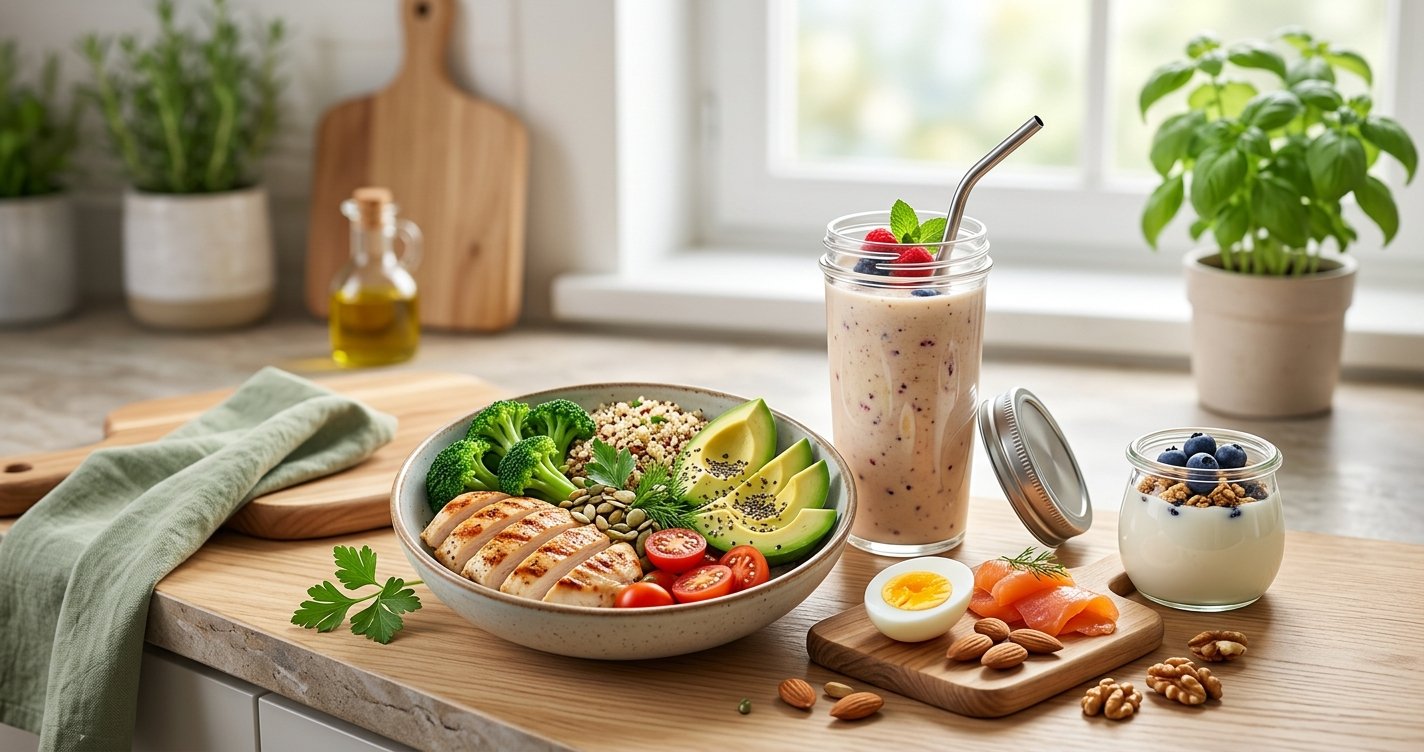
Hey there, fat loss warrior! Are you on a mission to shed those extra pounds and feel amazing in your skin? You've likely heard a lot about different diets, workouts, and quick fixes. But what if we told you there's one powerful nutrient that could be your ultimate ally in this journey? We're talking about protein – not just for bodybuilders, but for everyone aiming for sustainable, healthy fat loss.
Forget the fads and let's dive into the science-backed, friendly truth about how protein can revolutionize your weight management strategy. This isn't about deprivation; it's about smart nutrition that keeps you full, preserves your hard-earned muscle, and even boosts your metabolism. Ready to discover why protein is your secret weapon? Let's get started! this excellent wellness product
Why Protein is Your Secret Weapon for Fat Loss
Protein isn't just a building block for muscles; it's a metabolic marvel that plays several crucial roles in helping you achieve and maintain a healthy body composition. Understanding these benefits is key to harnessing its power.
The Satiety Superstar: Feeling Fuller, Longer
One of the biggest challenges with any fat loss journey is hunger. When you're constantly battling cravings and an empty stomach, it's incredibly difficult to stick to your plan. This is where protein shines! Scientific studies consistently show that protein is the most satiating macronutrient. It helps reduce ghrelin (the hunger hormone) and boosts peptide YY and GLP-1 (satiety hormones), meaning:
- You feel fuller for longer after meals.
- You're less likely to snack impulsively.
- Overall calorie intake tends to decrease naturally.
Imagine going through your day feeling satisfied and energized, rather than constantly thinking about your next meal. That's the protein advantage!
Muscle Guardian: Preserving Lean Mass
When you're in a calorie deficit (eating fewer calories than you burn), your body can sometimes break down muscle tissue for energy, not just fat. This is the last thing you want! Lean muscle mass is metabolically active, meaning it burns more calories at rest than fat tissue. A higher protein intake, especially when combined with strength training, helps signal your body to hold onto that precious muscle. This is called 'muscle protein synthesis'. By preserving muscle:
- You maintain a higher resting metabolism.
- Your body composition improves (more muscle, less fat).
- You look and feel stronger, not just smaller.
Think of protein as your muscle's bodyguard, ensuring your fat loss is truly fat loss, not muscle loss.
Metabolic Booster: The Thermic Effect of Food (TEF)
Did you know that your body actually burns calories just to digest, absorb, and process the food you eat? This is known as the Thermic Effect of Food (TEF), and protein has the highest TEF of all macronutrients. While carbohydrates have a TEF of 5-10% and fats 0-3%, protein boasts a TEF of 20-30%. This means:
- For every 100 calories of protein you consume, 20-30 calories are used just to process it.
- It’s a small but significant 'metabolic boost' that adds up over time.
It's like getting a mini-workout just by eating your chicken breast or lentils!
How Much Protein Do You Really Need?
Now that you're convinced of protein's superpowers, you're probably wondering, "How much do I actually need?" The answer isn't one-size-fits-all, but there are excellent guidelines to follow.
Decoding the Numbers: General Recommendations
For general health, the Recommended Dietary Allowance (RDA) is 0.8 grams of protein per kilogram of body weight. However, for active individuals or those specifically aiming for fat loss and muscle preservation, research suggests a higher intake is beneficial.
Many experts recommend aiming for 1.6 to 2.2 grams of protein per kilogram of body weight when in a calorie deficit. For someone weighing 70 kg (about 154 lbs), this translates to roughly 112-154 grams of protein per day.
Tailoring It to You: Activity Level & Goals
Your ideal protein intake can vary based on several factors:
- Activity Level: The more active you are, especially with strength training, the higher your protein needs.
- Age: As we age, our bodies become less efficient at utilizing protein, so older adults may benefit from higher intakes to prevent muscle loss.
- Current Body Composition: If you have a significant amount of weight to lose, basing your protein target on your goal weight or lean body mass can be more accurate.
It's often easier to think about protein in terms of percentages of your total daily calories (e.g., 25-35% from protein) or per meal (e.g., 20-40 grams per meal).
Smart Strategies for Boosting Your Protein Intake
Knowing you need more protein is one thing; actually getting it into your diet consistently is another. Here are some friendly and practical strategies to make it delicious and easy!
Power Up Your Breakfast
Many traditional breakfasts are carbohydrate-heavy and low in protein, setting you up for mid-morning hunger. Transform your first meal:
- Add Greek yogurt, cottage cheese, or protein powder to your oatmeal or smoothies.
- Opt for eggs (scrambled, poached, or in an omelet) with some lean ham or turkey bacon.
- Try a savory breakfast bowl with quinoa, black beans, and a fried egg.
Lunch & Dinner: Protein at Every Meal
Make protein the centerpiece of your main meals. Aim for a palm-sized portion of lean protein:
- Choose lean meats like chicken breast, turkey, lean beef, or pork loin.
- Incorporate fish like salmon, tuna, or cod several times a week.
- Explore plant-based proteins such as lentils, chickpeas, black beans, tofu, tempeh, and edamame.
- Add protein to salads, stir-fries, and pasta dishes.
Smart Snacking
Snacks are a perfect opportunity to sneak in extra protein and keep hunger at bay between meals:
- Hard-boiled eggs (easy to prep in advance!)
- A handful of almonds or other nuts
- Cottage cheese or Greek yogurt with berries
- Protein bars (check sugar content!)
- Edamame pods
- Jerky (low sugar options)
Protein Supplements: When and Why?
While whole foods should always be your primary source of nutrients, protein supplements can be a convenient and effective tool:
- Whey Protein: Fast-digesting, great post-workout.
- Casein Protein: Slow-digesting, good before bed.
- Plant-Based Proteins: Pea, rice, hemp for vegans or those with dairy sensitivities.
Use them to hit your daily targets when cooking or meal prepping isn't feasible, or to boost the protein content of smoothies. They are a supplement, not a replacement for nutritious whole foods.
Beyond the Plate: Maximizing Protein's Benefits
Protein works best when it's part of a holistic approach to health and fat loss. Here's how to amplify its effects:
Combine with Strength Training
We mentioned this earlier, but it bears repeating: protein and strength training are a match made in fat-loss heaven. Lifting weights signals your muscles to grow and repair, and protein provides the essential amino acids to make that happen. This synergy is crucial for preserving and building lean muscle mass, which in turn boosts your metabolism.
Hydration & Fiber: The Synergistic Duo
While protein is fantastic for satiety, ensure you're also drinking plenty of water and getting enough fiber. Water helps protein do its job efficiently and contributes to fullness. Fiber, found in fruits, vegetables, and whole grains, also aids satiety and digestive health. Together, they create a powerful trifecta for sustained energy and reduced cravings.
Consistency is Key
Like any healthy habit, consistency is crucial. Don't aim for perfection overnight. Start by making small, sustainable changes. Focus on adding a protein source to every meal and snack. Over time, these small changes will lead to significant results.
Busting Protein Myths & Common Concerns
Let's address a couple of common misconceptions about protein intake.
"Too Much Protein is Bad for My Kidneys?"
This is a widely circulated myth. For healthy individuals with normal kidney function, there is no scientific evidence that a high-protein diet causes kidney damage. In fact, studies show it's safe and effective for fat loss. However, if you have pre-existing kidney disease, it's essential to consult your doctor or a registered dietitian before increasing your protein intake.
"Will Protein Make Me Bulky?"
Another common concern, especially among women, is that eating more protein will lead to unwanted bulk. Rest assured, gaining significant muscle mass requires intense training, a specific caloric surplus, and often specific hormonal profiles (like higher testosterone) that are less common in women. Protein helps tone and strengthen your muscles, contributing to a lean, athletic physique, not a bulky one.
Your Protein-Powered Path to Fat Loss
You now have the knowledge and the tools to make protein your most valuable player in your fat loss journey. Remember, it's not just about restricting calories; it's about nourishing your body with smart choices that support your goals. By prioritizing protein, you're investing in a strategy that promotes satiety, protects your muscle, and gives your metabolism a gentle nudge.
Start small, be consistent, and listen to your body. You've got this! Embrace the power of protein and unlock a healthier, stronger, and more confident you. What's your favorite high-protein meal? Share your tips in the comments below!