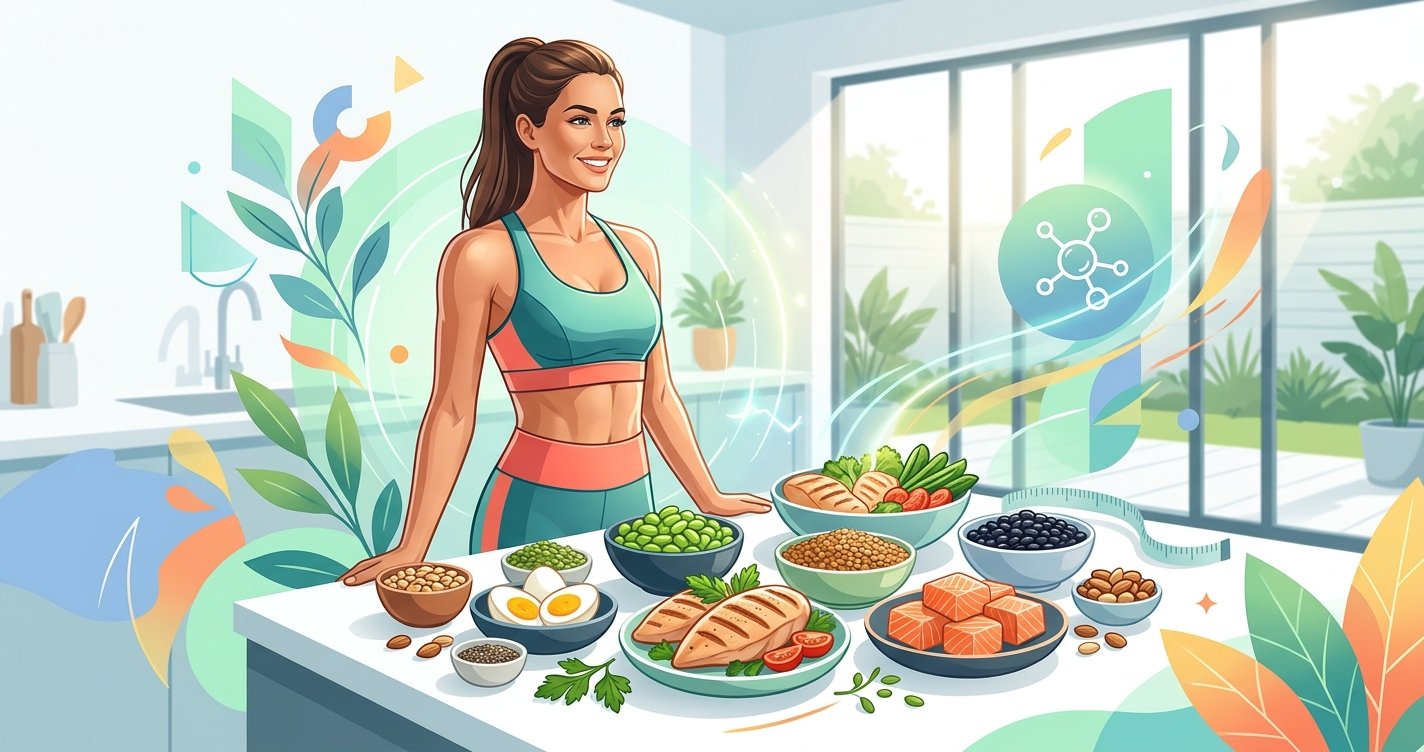
Unlock Your Fat Loss Potential: The Ultimate Guide to Protein for a Leaner You
Are you on a quest for sustainable fat loss, feeling like you’ve tried every diet under the sun without lasting success? It’s a common frustration, and often, the missing piece isn't some complex secret, but rather a fundamental nutrient: protein. Forget restrictive eating plans and endless cardio; understanding and optimizing your protein intake can be the game-changer you’ve been searching for. It’s not just about building big muscles; protein is your secret weapon for feeling full, boosting your metabolism, and preserving the muscle that keeps your body a fat-burning machine.
In this comprehensive, evidence-based guide, we’re going to dive deep into why protein is absolutely essential for effective fat loss. We’ll explore how much you really need, the best sources to fuel your body, and practical, friendly tips to effortlessly weave more protein into your daily life. Get ready to transform your approach to nutrition and finally unlock your fat loss potential, not by deprivation, but by smart, strategic eating! this excellent wellness product
Why Protein is Your Fat Loss MVP (Most Valuable Player)
When it comes to shedding unwanted fat, protein isn't just another macronutrient; it's a superstar. Its unique properties make it indispensable for anyone serious about achieving a leaner, healthier physique. Let's break down the science behind why protein deserves a prime spot on your plate.
The Satiety Powerhouse: Feeling Fuller, Longer
One of the biggest challenges in any fat loss journey is managing hunger and cravings. This is where protein truly shines. Studies consistently show that protein is the most satiating of all macronutrients – more so than carbohydrates or fats. When you consume protein, it triggers the release of hormones like GLP-1 and cholecystokinin (CCK) that signal fullness to your brain, while simultaneously reducing levels of ghrelin, the "hunger hormone." This means a higher protein intake can significantly reduce your overall calorie consumption by keeping you feeling satisfied for longer periods. Imagine fewer urges to snack between meals and greater control over portion sizes – that’s smart biology working in your favor.
Fueling Your Fat-Burning Furnace: The Thermic Effect
Did you know that your body expends energy just to digest, absorb, and metabolize the food you eat? This is known as the Thermic Effect of Food (TEF). And guess which macronutrient has the highest TEF? Protein! While carbohydrates have a TEF of 5-10% and fats around 0-3%, protein boasts a TEF of 20-30%. This means for every 100 calories of protein you consume, your body uses 20-30 of those calories just to process it. In simple terms, eating protein slightly boosts your metabolism, helping you burn more calories around the clock. Over time, these small metabolic advantages add up, making your fat loss efforts more efficient.
Protecting Your Precious Muscle: Why It Matters for Metabolism
When you're in a calorie deficit, your body will naturally try to tap into its energy reserves. While the goal is to burn fat, there's always a risk of losing valuable muscle mass too. This is problematic because muscle is metabolically active tissue – it burns more calories at rest than fat does. Losing muscle can slow down your metabolism, making it harder to sustain fat loss and easier to regain weight in the future (the dreaded "yo-yo" effect).
Adequate protein intake plays a critical role in preserving lean muscle mass during a fat loss phase. Protein provides the amino acids, the building blocks your body needs to repair and build muscle. By supplying your body with enough protein, especially when combined with resistance training, you send a clear signal to your body to hold onto muscle and prioritize fat for energy. This ensures that your metabolism stays robust, supporting long-term, sustainable fat loss.
How Much Protein Do You Really Need for Fat Loss?
This is one of the most frequently asked questions! While general dietary guidelines suggest a certain amount, specific needs for fat loss are often higher. Let's look at the evidence-based recommendations.
General Guidelines: A Starting Point
For individuals actively pursuing fat loss, especially those who are physically active or engaging in strength training, current research suggests significantly higher intakes than the standard RDA. A common recommendation for fat loss is to aim for 1.6 to 2.2 grams of protein per kilogram of body weight per day. Some studies even suggest benefits up to 2.4-3.0 g/kg, particularly for very lean individuals in a deep deficit or athletes.
- Example: If you weigh 70 kg (approx. 154 lbs), aiming for 1.6 g/kg means 112 grams of protein daily. If you push towards 2.2 g/kg, that’s 154 grams.
It's often best to calculate this based on your target healthy body weight, or current lean body mass, rather than your total body weight if you carry a significant amount of excess fat. Consulting with a registered dietitian or nutritionist can provide personalized guidance.
Factors Influencing Your Needs: Activity, Age, and Goals
Your protein requirements aren't a one-size-fits-all number. Several factors can influence how much protein is optimal for you:
- Activity Level: The more active you are, especially if you lift weights, the higher your protein needs will be to support muscle repair and recovery.
- Age: As we age, our bodies become less efficient at utilizing protein for muscle. Older adults may benefit from higher protein intakes to combat age-related muscle loss.
- Calorie Deficit: The greater your calorie deficit, the more crucial adequate protein becomes to prevent muscle loss.
Best Sources of Protein: From Plates to Powders
Now that you know how much protein you need, let's talk about where to get it! A balanced approach incorporating a variety of sources is usually best.
Whole Food Heroes: Animal vs. Plant-Based
Whole foods should always be the foundation of your diet. They provide not just protein, but also essential vitamins, minerals, fiber, and other beneficial compounds.
Animal-Based Proteins:
These are often considered "complete" proteins, containing all nine essential amino acids. They are typically very bioavailable.
- Lean Meats: Chicken breast, turkey, lean beef, pork loin.
- Fish & Seafood: Salmon (also rich in omega-3s), tuna, cod, shrimp.
- Eggs: A perfect protein source, especially the whites.
- Dairy: Greek yogurt, cottage cheese, milk, whey protein (from milk).
Plant-Based Proteins:
While many plant proteins are "incomplete" on their own, a varied plant-based diet can easily provide all necessary amino acids. Many are also rich in fiber.
- Legumes: Lentils, chickpeas, black beans.
- Soy Products: Tofu, tempeh, edamame (excellent complete plant proteins).
- Nuts & Seeds: Almonds, peanuts, chia seeds, flax seeds (consume in moderation due to fat content).
- Grains: Quinoa (a complete protein), oats.
When Supplements Shine: Protein Powders and Bars
While whole foods are paramount, protein supplements can be incredibly useful tools, especially when you're busy, need a quick post-workout refuel, or struggle to meet your daily targets through food alone.
- Whey Protein: Fast-digesting, excellent for post-workout recovery.
- Casein Protein: Slow-digesting, great for sustained amino acid release, often taken before bed.
- Plant-Based Proteins: Pea, rice, soy, or blended plant proteins are excellent alternatives.
- Protein Bars: Convenient for on-the-go, but choose wisely – look for high protein (15-20g+) and lower sugar/calorie content.
Remember, supplements are designed to supplement your diet, not replace whole foods. Use them strategically to help you hit your goals.
Practical Tips for Boosting Your Protein Intake
Hitting your protein targets doesn't have to be complicated. With a few smart strategies, you can easily increase your intake throughout the day.
Spread It Out: The Power of Even Distribution
Instead of trying to eat a massive amount of protein in one meal, aim to distribute your protein intake fairly evenly across 3-5 meals or snacks throughout the day. Research suggests that consuming 20-40 grams of protein per meal can optimize muscle protein synthesis and satiety.
- Breakfast: Start strong! Add eggs, Greek yogurt, cottage cheese, or a scoop of protein powder to your oatmeal or smoothie.
- Lunch & Dinner: Make sure every main meal includes a substantial lean protein source.
- Snacks: Opt for protein-rich snacks like a handful of almonds, a hard-boiled egg, or Greek yogurt.
Smart Swaps and Additions
Small changes can make a big difference:
- Swap high-carb cereals for Greek yogurt with berries and nuts.
- Add cooked chicken or chickpeas to your salads.
- Incorporate lentils or beans into soups and stews.
- Use cottage cheese or Greek yogurt as a base for dips.
- Blend protein powder into your coffee, smoothies, or even pancake batter.
Meal Prep Like a Pro
Planning ahead is key to consistency. Dedicate some time each week to:
- Cook a batch of lean protein: Grill chicken breasts, bake salmon, or prepare a large pot of chili.
- Portion out snacks: Prepare individual servings of cottage cheese or hard-boiled eggs.
- Assemble ingredients: Have chopped veggies and protein sources ready to quickly throw together meals.
Having protein-rich options readily available makes it much easier to make healthy choices, especially when hunger strikes or time is short.
Addressing Common Protein Myths and Concerns
Despite its clear benefits, protein sometimes gets a bad rap due to persistent myths. Let's clear the air with some evidence-based facts.
"Too Much Protein is Bad for Your Kidneys"
This is perhaps the most widespread myth. For healthy individuals with normal kidney function, there is no scientific evidence to suggest that a high-protein diet (even up to 2.2 g/kg or more) causes kidney damage. Numerous studies have debunked this claim. The confusion often arises because people with pre-existing kidney disease are advised to restrict protein intake to reduce the workload on their kidneys. However, this is a treatment for an existing condition, not a cause of kidney damage in healthy people.
Always consult your doctor if you have any pre-existing kidney conditions or health concerns, but for the vast majority of healthy adults, a higher protein intake within the recommended fat loss ranges is perfectly safe and beneficial.
"Protein Makes You Bulky"
This concern is particularly common among women who fear that increasing protein will lead to an undesirable "bulky" physique. This is largely untrue. Building significant muscle mass requires a very specific combination of factors: consistent, intense resistance training, a calorie surplus (eating more calories than you burn), and often, genetic predispositions and hormonal profiles (like higher testosterone levels) that are typically not present in women.
For most women, increasing protein intake combined with strength training will lead to a leaner, more toned physique, not a bulky one. Protein helps preserve the muscle you have and build a modest amount, which contributes to a higher metabolism and a more athletic appearance, without making you "bulky."
Conclusion: Embrace Protein, Embrace Sustainable Fat Loss
The journey to sustainable fat loss doesn't have to be a battle against constant hunger and a sluggish metabolism. By prioritizing protein, you equip yourself with a powerful ally that works with your body, not against it. From its remarkable ability to keep you feeling full and satisfied, to its metabolic boosting thermic effect, and its crucial role in preserving muscle mass, protein is truly the cornerstone of an effective and enjoyable fat loss strategy.
We've explored why protein is so vital, how much you should aim for, the best sources to integrate into your diet, and practical ways to make it a consistent part of your daily routine. We've also debunked common myths, giving you the confidence to embrace this essential macronutrient.
So, take this knowledge and put it into action! Start by making one small change today – perhaps adding an extra serving of protein to your breakfast or ensuring your snacks are protein-rich. Be patient, be consistent, and trust the process. By making protein your priority, you’re not just losing fat; you’re building a stronger, healthier, and more vibrant you. Your body will thank you!