Fuel Your Fat Loss: The Ultimate Guide to Protein for a Leaner You
Are you on a journey to shed unwanted fat and reveal a stronger, healthier you? If so, you've likely heard a lot about diet and exercise. But what if we told you there's one macronutrient that stands out as a true game-changer for fat loss, often hailed as your secret weapon? We're talking about protein!
Protein isn't just for bodybuilders; it's a fundamental nutrient vital for everyone, especially when your goal is sustainable fat loss. It plays a crucial role in everything from keeping you feeling full to preserving your hard-earned muscle. In this comprehensive, evidence-based guide, we'll dive deep into why protein is so effective, how much you truly need, and the best ways to incorporate more of it into your daily life. Get ready to unlock the power of protein and revolutionize your fat loss journey! this excellent wellness product
Why Protein is Your Secret Weapon for Fat Loss
Let's break down the science behind why protein is so incredibly effective for helping you achieve and maintain a leaner physique.
The Satiety Factor: Feeling Full, Longer
One of the biggest challenges in any fat loss journey is managing hunger and cravings. This is where protein shines! Protein is known for its incredible ability to increase satiety – that feeling of fullness and satisfaction after a meal. Studies consistently show that a higher protein intake can significantly reduce appetite and minimize late-night snacking. When you feel fuller for longer, you're less likely to overeat or succumb to unhealthy cravings, making it easier to stick to a calorie deficit without feeling deprived.
Boosting Your Metabolism: The Thermic Effect of Food (TEF)
Did you know that your body actually burns calories just to digest, absorb, and process the food you eat? This is called the Thermic Effect of Food (TEF). And guess what? Protein has a significantly higher TEF compared to carbohydrates and fats. While fats have a TEF of 0-3% and carbs 5-10%, protein boasts a TEF of 20-30%. This means that for every 100 calories of protein you consume, your body burns 20-30 calories just to process it. Over time, this metabolic boost can add up, contributing to greater overall calorie expenditure and more efficient fat loss.
Preserving Muscle: The Key to a Toned Physique
When you're in a calorie deficit to lose weight, your body can sometimes break down muscle tissue for energy, not just fat. This is undesirable because muscle is metabolically active, meaning it burns more calories at rest than fat does. A higher protein intake, especially when combined with strength training, is crucial for preserving lean muscle mass during fat loss. By protecting your muscle, you not only maintain a higher resting metabolism but also achieve that toned, defined look you're working so hard for.
How Much Protein Do You Really Need for Fat Loss?
This is a common question, and the answer isn't a one-size-fits-all. While general guidelines exist, your individual needs can vary.
General Guidelines vs. Individual Needs
For fat loss, most research suggests a protein intake significantly higher than the standard Recommended Dietary Allowance (RDA) of 0.8 grams per kilogram (g/kg) of body weight. A good starting point for individuals actively trying to lose fat is typically between 1.6 to 2.2 grams of protein per kilogram of target body weight, or 0.7 to 1 gram per pound of target body weight. For example, if your goal weight is 150 lbs, aiming for 105-150 grams of protein per day would be beneficial.
Factors like your activity level (the more active you are, especially with strength training, the more protein you might need), age, and overall health can influence these numbers. It's always a good idea to consult with a healthcare professional or a registered dietitian for personalized advice.
Protein Timing: Does It Matter?
While the total daily protein intake is more important than precise timing, distributing your protein consumption evenly throughout the day can offer additional benefits. Aiming for 20-40 grams of protein per meal, along with protein-rich snacks, can help maximize muscle protein synthesis, keep you feeling full, and reduce muscle breakdown more effectively than consuming most of your protein in just one meal.
Top Protein Sources to Fuel Your Journey
Variety is key! Incorporating a range of protein sources ensures you get all essential amino acids and a diverse array of other nutrients.
Animal-Based Proteins: Lean & Complete
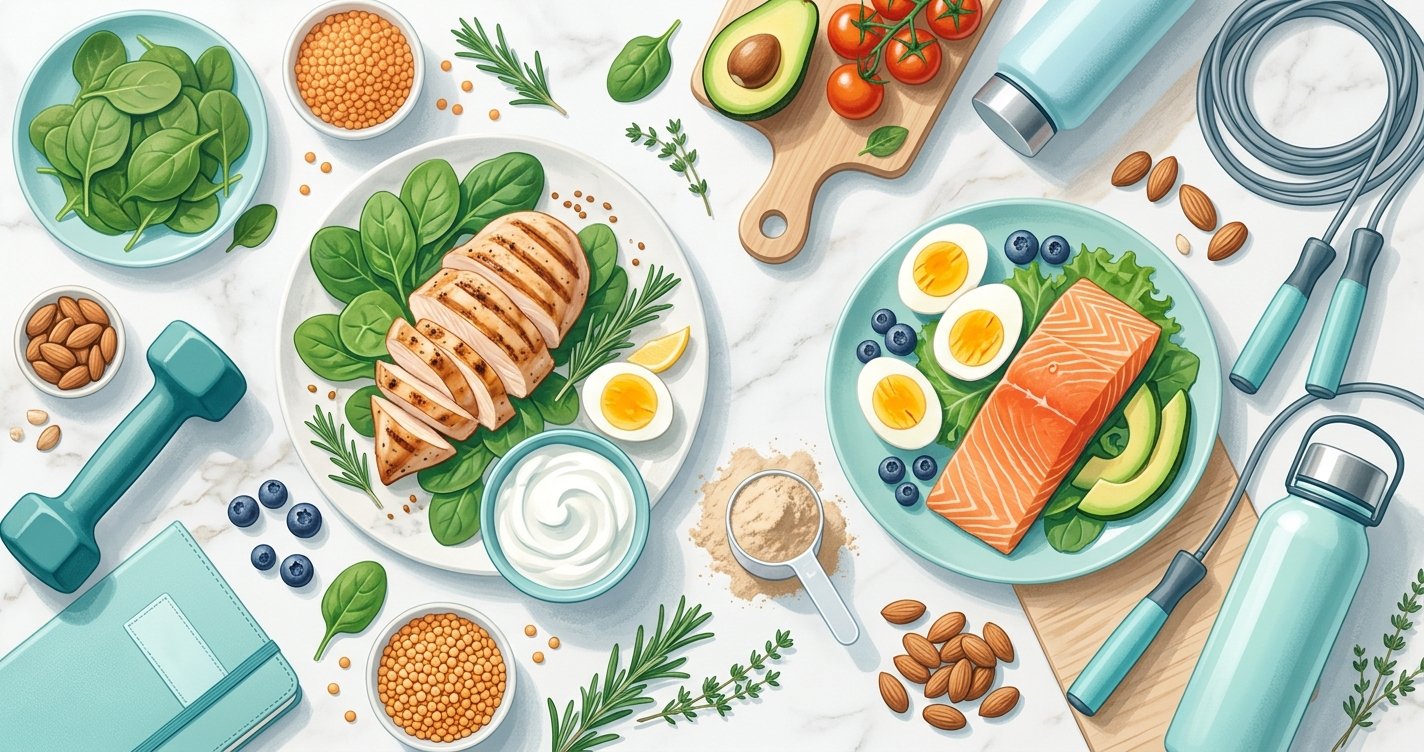
- Lean Meats: Chicken breast, turkey, lean cuts of beef (sirloin, round), pork tenderloin. Excellent sources of complete protein, iron, and B vitamins.
- Fish & Seafood: Salmon, tuna, cod, shrimp. Rich in protein, omega-3 fatty acids (especially fatty fish like salmon), and essential minerals.
- Eggs: The 'perfect protein' source, highly bioavailable, and versatile.
- Dairy: Greek yogurt, cottage cheese, milk, whey protein powder. Great for calcium and probiotics (in yogurt). Greek yogurt and cottage cheese are particularly high in protein.
Plant-Based Proteins: Powerful & Versatile
- Legumes: Lentils, chickpeas, black beans. Good source of protein, fiber, and complex carbohydrates.
- Tofu & Tempeh: Soy-based products that are incredibly versatile and absorb flavors well. Complete protein sources.
- Edamame: Whole, immature soybeans; a great snack or addition to salads.
- Nuts & Seeds: Almonds, walnuts, chia seeds, flax seeds, pumpkin seeds. While higher in fat, they offer protein, healthy fats, and fiber.
- Quinoa: A complete protein grain, excellent as a side dish or salad base.
- Seitan: A wheat-based protein with a meat-like texture.
Protein Supplements: When and Why?
Protein supplements like whey, casein, or plant-based powders (pea, rice, soy) can be incredibly convenient, especially when you're struggling to meet your daily protein targets through whole foods alone. They are not magic pills, but rather a tool to help you reach your goals. They can be particularly useful:
- For a quick post-workout recovery shake.
- As an easy way to boost protein in smoothies or oatmeal.
- When traveling or on the go and whole food options are limited.
Always choose high-quality supplements with minimal added sugars and artificial ingredients.
Practical Tips for Boosting Your Protein Intake
Making protein a priority doesn't have to be complicated. Here are some actionable strategies:
Smart Meal Planning & Prep
Dedicate some time each week to plan your meals and prep protein sources in advance. Cook a batch of chicken breast, hard-boil eggs, or prepare a large lentil soup. Having these ready makes healthy choices much easier throughout the busy week.
Protein-Packed Snacks
Swap out sugary, low-protein snacks for options that will keep you satisfied. Think Greek yogurt, cottage cheese, a handful of almonds, a hard-boiled egg, jerky, or a small protein shake.
Don't Forget Breakfast!
Many people's breakfasts are carb-heavy and protein-light. Starting your day with a significant protein boost (e.g., eggs, Greek yogurt, protein smoothie) can set you up for success, reducing hunger and cravings throughout the day.
Addressing Common Protein Myths & Misconceptions
Let's clear up some common misunderstandings about protein.
"Too Much Protein is Bad for Your Kidneys"
This is a widely circulated myth. For healthy individuals with normal kidney function, there is no scientific evidence to suggest that a high-protein diet causes kidney damage. In fact, studies show it's perfectly safe. However, if you have pre-existing kidney disease, consulting your doctor about protein intake is crucial.
"Protein Makes You Bulky"
This is particularly a concern for women. Consuming adequate protein does not automatically make you bulky. Building significant muscle mass requires a very specific training regimen, often a caloric surplus, and specific hormonal profiles. Protein helps build and repair muscle, which contributes to a toned physique, not necessarily a bulky one, especially when in a fat loss phase.
Beyond Protein: The Holistic Approach to Sustainable Fat Loss
While protein is a superstar, it's part of a larger team. Sustainable fat loss is about a holistic approach.
Don't Forget Fiber, Healthy Fats, and Smart Carbs
Ensure your diet is rich in fiber from fruits, vegetables, and whole grains. Fiber aids digestion, promotes fullness, and supports overall health. Include healthy fats from avocados, nuts, seeds, and olive oil for hormone production and satiety. And yes, smart carbohydrates (complex carbs like sweet potatoes, oats, quinoa) are essential for energy and performance, especially if you're active.
The Role of Strength Training and Sleep
Pairing your high-protein diet with regular strength training is a powerful combination for fat loss and body recomposition. Lifting weights signals your body to retain and build muscle, further enhancing your metabolism. Additionally, prioritize 7-9 hours of quality sleep per night. Poor sleep can disrupt hunger hormones (ghrelin and leptin), increase cravings, and make fat loss significantly harder. Manage stress effectively, as chronic stress can also impede progress.
Conclusion: Embrace the Power of Protein
Protein is much more than just a nutrient; it's a powerful ally in your fat loss journey. From keeping hunger at bay and boosting your metabolism to preserving precious muscle, its benefits are undeniable and evidence-backed. By prioritizing protein in your diet, you're not just losing weight; you're building a stronger, healthier, and more vibrant you.
Start experimenting with the tips and food sources shared here. Take small, consistent steps, and remember that sustainable fat loss is a marathon, not a sprint. You've got this! Fuel your body with the protein it deserves, and watch your progress soar.