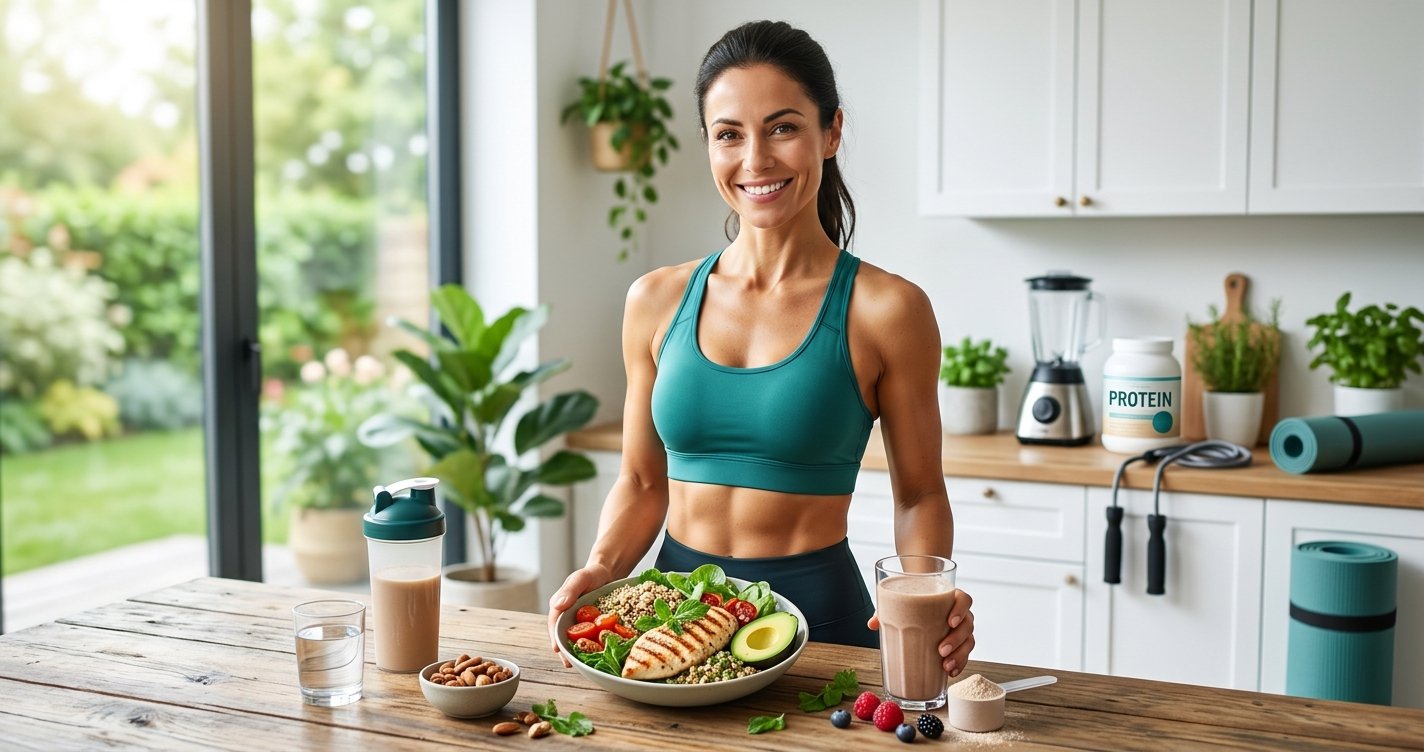
Unlock Your Fat Loss Potential: The Power of Protein for a Leaner You
Are you on a journey to shed those extra pounds and achieve sustainable fat loss? You've likely heard a lot about calories, carbs, and fats. But there's one macronutrient that often doesn't get the spotlight it deserves, despite being an absolute superstar in the world of fat loss: protein. It's not just for bodybuilders; protein is your secret weapon for feeling full, boosting your metabolism, and preserving precious muscle as you slim down.
Forget restrictive diets and endless cardio. This comprehensive guide will dive deep into why protein is so crucial for effective and sustainable fat loss, how much you truly need, and practical, delicious ways to incorporate more of it into your daily life. Get ready to transform your approach to eating and unlock a leaner, stronger you! this excellent wellness product
Why Protein Is Your Best Friend for Fat Loss
Protein isn't just a building block for muscle; it plays several critical roles that directly impact your ability to lose fat and keep it off. Let's explore the science-backed reasons why protein should be at the forefront of your fat loss strategy.
The Satiety Factor: Feeling Full, Longer
One of the biggest challenges in any fat loss journey is managing hunger and cravings. This is where protein shines! Protein has a remarkable ability to increase feelings of fullness and reduce appetite more effectively than carbohydrates or fats. When you consume protein, it triggers the release of satiety hormones like PYY and GLP-1, signaling to your brain that you're satisfied. This means you're less likely to overeat at subsequent meals or snack unnecessarily, naturally leading to a reduction in overall calorie intake.
Boosting Your Metabolism: The Thermic Effect of Food
Did you know that your body expends energy just to digest, absorb, and metabolize the food you eat? This is known as the Thermic Effect of Food (TEF), and protein has the highest TEF of all macronutrients. Approximately 20-30% of the calories from protein are burned off during digestion, compared to 5-10% for carbohydrates and 0-3% for fats. This means that by prioritizing protein, you're essentially giving your metabolism a little boost with every meal, helping you burn more calories throughout the day without even trying.
Preserving Muscle: The Key to a Revved-Up Metabolism
When you're in a calorie deficit to lose fat, your body can sometimes break down muscle tissue for energy, not just fat. This is detrimental because muscle is metabolically active, meaning it burns more calories at rest than fat does. A higher muscle mass translates to a faster resting metabolism. Adequate protein intake is crucial for preventing muscle loss during a calorie deficit. By preserving your muscle mass, you protect your metabolic rate, making fat loss more efficient and preventing that dreaded post-diet rebound.
How Much Protein Do You Really Need?
The common recommendation for protein intake (0.8 grams per kilogram of body weight) is often a minimum for general health, not necessarily optimal for fat loss. For those actively trying to lose fat, higher protein intake is generally more beneficial.
General Guidelines and Individual Needs
For most individuals aiming for fat loss, a good starting point is to consume between 1.6 to 2.2 grams of protein per kilogram of body weight per day. If you're very active, engage in strength training, or have a higher body weight, you might even benefit from the higher end of this range. For example, a person weighing 70 kg (about 154 lbs) would aim for roughly 112-154 grams of protein daily. Don't worry about calculating exact numbers; focus on incorporating a good source of protein into every meal and snack.
Timing Your Protein Intake for Optimal Results
While total daily protein intake is most important, distributing your protein evenly throughout the day can enhance its benefits. Aim for 20-40 grams of protein per meal, along with protein-rich snacks. This steady supply helps maintain muscle protein synthesis, keeps you feeling full, and sustains your metabolism. Consider having a protein source at breakfast, lunch, dinner, and even before bed if you find yourself getting hungry.
Practical Strategies to Boost Your Protein Intake
Increasing your protein intake doesn't have to be complicated or bland. With a few smart adjustments, you can easily incorporate more protein into your diet.
Smart Swaps and Lean Choices
- Breakfast Makeover: Swap sugary cereals or toast for Greek yogurt (plain, high protein), eggs (scrambled, boiled, or in an omelet), or a protein smoothie.
- Lunch & Dinner Power-Ups: Prioritize lean protein sources like chicken breast, turkey, fish (salmon, tuna, cod), lean beef, pork tenderloin, or plant-based options like tofu, tempeh, lentils, and beans.
- Snack Smarter: Instead of chips or cookies, reach for cottage cheese, a handful of almonds, a hard-boiled egg, jerky, or a small protein shake.
Protein Power at Every Meal
Make protein the centerpiece of your plate. When planning your meals, always think: "What's my protein source?"
- Breakfast: Scrambled eggs with spinach, Greek yogurt with berries, or a protein powder smoothie.
- Lunch: Grilled chicken salad, lentil soup with whole-grain bread, or a turkey and veggie wrap.
- Dinner: Baked salmon with roasted vegetables, lean ground beef stir-fry, or tofu curry.
- Snacks: A small handful of nuts, a protein bar, or a serving of edamame.
The Role of Protein Supplements (and when they're useful)
While whole food sources should always be your primary focus, protein supplements can be a convenient and effective tool to help you reach your daily protein goals, especially if you have a busy lifestyle or higher protein needs.
- Whey Protein: Fast-digesting, great post-workout or as a quick meal replacement.
- Casein Protein: Slow-digesting, ideal before bed to provide a sustained release of amino acids.
- Plant-Based Proteins: Pea, rice, hemp, or soy protein powders are excellent options for vegans or those with dairy sensitivities.
Remember, supplements are designed to *supplement* your diet, not replace whole foods. Use them strategically to fill nutritional gaps.
Beyond Protein: Holistic Habits for Sustainable Fat Loss
While protein is a powerful ally, sustainable fat loss is a holistic endeavor. To truly optimize your results and maintain them long-term, consider these complementary habits:
- Prioritize Whole Foods: Focus on a diet rich in fruits, vegetables, whole grains, and healthy fats alongside your protein. These provide essential vitamins, minerals, and fiber.
- Stay Hydrated: Drinking plenty of water can help with satiety and overall metabolic function.
- Get Enough Sleep: Quality sleep is crucial for hormone regulation, including those that control hunger and satiety. Poor sleep can increase cravings and make fat loss harder.
- Incorporate Strength Training: Resistance training is vital for building and preserving muscle mass, which further supports your metabolism and body composition goals.
- Manage Stress: Chronic stress can lead to increased cortisol levels, which can hinder fat loss and encourage fat storage, especially around the midsection.
Your Protein-Powered Journey to a Leaner You
Embracing the power of protein is one of the most effective and sustainable strategies you can adopt for fat loss. By prioritizing protein, you'll feel more satisfied, boost your metabolism, protect your hard-earned muscle, and set yourself up for long-term success. It's not about deprivation; it's about smart, evidence-based nutrition that empowers you to achieve your goals.
Start by making small, consistent changes. Focus on adding a quality protein source to every meal, experiment with new recipes, and listen to your body. With protein on your side, you're not just losing weight; you're building a stronger, healthier, and more vibrant you. Your journey to sustainable fat loss starts now!