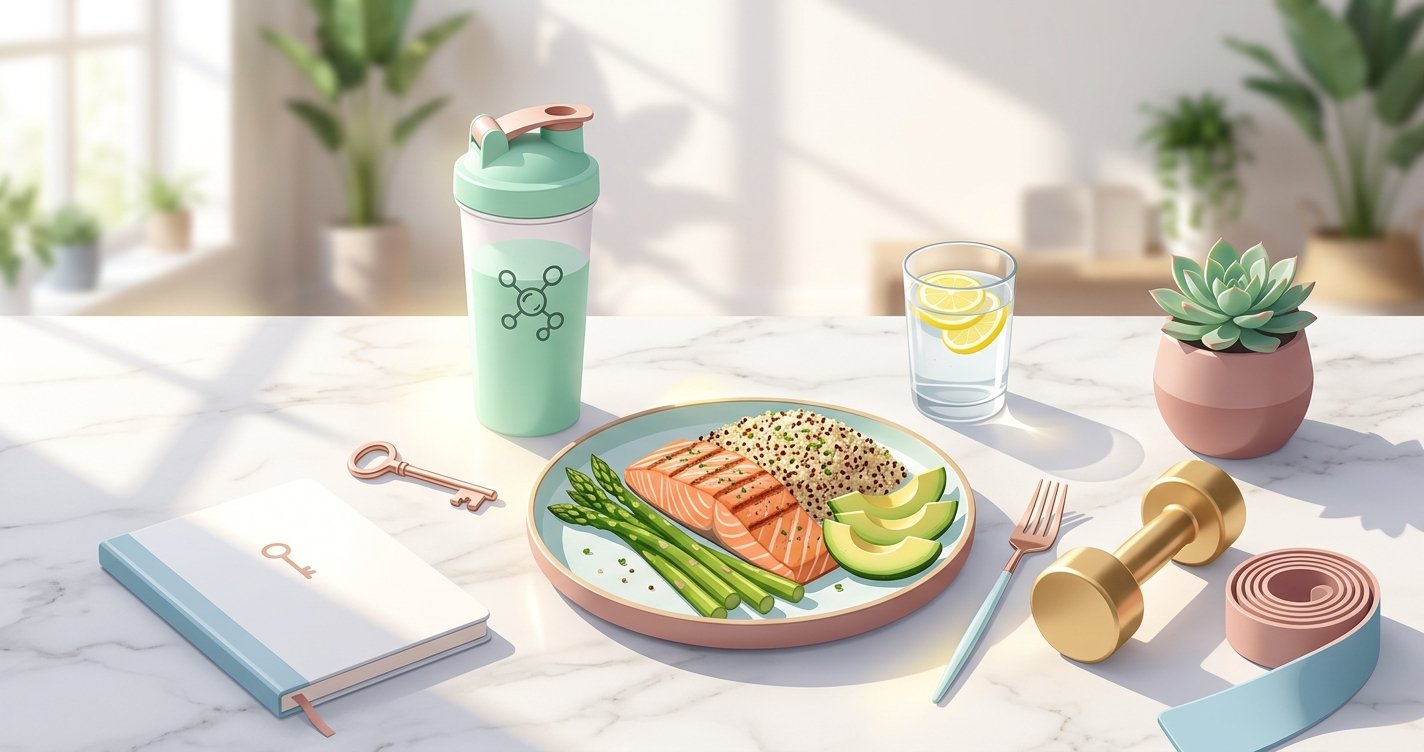
Embarking on a fat loss journey can often feel like navigating a complex maze, filled with conflicting advice and temporary fixes. Many people focus solely on cutting calories, only to find themselves constantly hungry, losing precious muscle, and ultimately bouncing back to old habits. But what if there was a powerful, evidence-based secret weapon that could make your fat loss efforts more effective, more sustainable, and even more enjoyable? Enter protein – your ultimate ally in achieving a leaner, stronger body.
Protein isn't just for bodybuilders; it's a fundamental macronutrient crucial for everyone, especially those aiming to shed fat while preserving muscle. In this comprehensive guide, we'll dive deep into why protein is so vital, how much you truly need, the best sources to fuel your body, and practical tips to integrate it seamlessly into your daily life. Get ready to transform your approach to fat loss, one delicious, protein-packed meal at a time! this excellent wellness product
Why Protein is Your Best Friend for Fat Loss
When it comes to optimizing your body for fat loss, protein stands head and shoulders above carbohydrates and fats in several key areas. Understanding these mechanisms is crucial for leveraging protein's full potential.
Satiety Superpower: Feeling Full, Longer
One of the biggest challenges in any fat loss plan is managing hunger. Cravings and persistent hunger can derail even the most determined efforts. This is where protein shines! Numerous studies have shown that protein is the most satiating of the three macronutrients. When you consume protein, it triggers the release of hormones like GLP-1 and PYY, which signal to your brain that you're full and satisfied. This means you're less likely to overeat, snack unnecessarily, and struggle with constant hunger pangs, making it significantly easier to stick to a calorie deficit without feeling deprived.
The Thermic Effect: Burning Calories Just By Eating
Did you know that your body expends energy just to digest and process the food you eat? This is known as the Thermic Effect of Food (TEF). And guess which macronutrient has the highest TEF? You guessed it – protein! Approximately 20-30% of the calories from protein are burned off during digestion, compared to 5-10% for carbohydrates and a mere 0-3% for fats. This means that by prioritizing protein, you're essentially giving your metabolism a little boost with every meal, contributing to a greater overall calorie expenditure throughout the day.
Muscle Preservation: Protecting Your Metabolism
When you reduce your calorie intake for fat loss, your body doesn't exclusively burn fat; it can also start to break down muscle tissue for energy. This is problematic because muscle is metabolically active – it burns more calories at rest than fat does. Losing muscle means your resting metabolic rate (RMR) decreases, making it harder to lose weight and easier to regain it in the future. Adequate protein intake is absolutely critical for preserving lean muscle mass during a calorie deficit. Protein provides the amino acids necessary for muscle repair and synthesis, signaling to your body to hold onto that valuable muscle, ensuring that the weight you lose is primarily fat, not muscle.
How Much Protein Do You Really Need for Fat Loss?
The recommended daily allowance (RDA) for protein is 0.8 grams per kilogram of body weight, but this is a minimum to prevent deficiency, not an optimal amount for fat loss and muscle preservation. For those actively trying to lose fat, the ideal intake is significantly higher.
General Guidelines vs. Individual Needs
Research suggests that a protein intake of 1.6 to 2.2 grams per kilogram (or 0.7 to 1.0 grams per pound) of your target body weight is optimal for fat loss while preserving muscle. For example, if your target weight is 150 pounds, aiming for 105-150 grams of protein per day would be a great starting point. Factors like your activity level (more active individuals may need more), age, and current body composition can influence your specific needs. Listen to your body and adjust as you go, but these guidelines provide an excellent foundation.
Spreading It Out: Optimizing Absorption
It's not just about hitting your daily protein target; it's also about how you consume it. Your body can only effectively utilize a certain amount of protein for muscle protein synthesis at one time. Aim to distribute your protein intake relatively evenly throughout the day, across 3-5 meals and snacks. This consistent supply of amino acids helps maximize muscle repair and growth, keeps you feeling fuller, and optimizes the thermic effect of food. For instance, instead of eating one huge protein-rich dinner, try to include 20-40 grams of protein at breakfast, lunch, and dinner, with protein-rich snacks in between.
Fueling Up: Best Protein Sources
Variety is key when it comes to meeting your protein needs. Thankfully, there's a vast array of delicious and nutritious protein sources to choose from.
Lean Animal Proteins
These are often considered 'complete' proteins, meaning they contain all nine essential amino acids your body can't produce on its own. Excellent choices include:
- Chicken and Turkey Breast: Lean, versatile, and packed with protein.
- Lean Beef: Sirloin, tenderloin, and ground beef (90% lean or higher) are great options.
- Fish and Seafood: Salmon, tuna, cod, shrimp, and tilapia offer high-quality protein and often healthy fats.
- Eggs: An incredibly versatile and affordable complete protein source.
- Dairy Products: Greek yogurt, cottage cheese, milk, and whey protein are fantastic for their protein content and often contain beneficial probiotics.
Plant-Based Powerhouses
For those following a vegetarian or vegan diet, or simply looking to diversify their protein sources, the plant kingdom offers abundant options:
- Legumes: Lentils, chickpeas, black beans, and kidney beans are rich in protein and fiber.
- Tofu and Tempeh: Soy-based products that are excellent complete protein sources.
- Edamame: Delicious and easy-to-snack-on soybeans.
- Quinoa: A grain that is also a complete protein.
- Nuts and Seeds: Almonds, peanuts, chia seeds, flax seeds, and hemp seeds offer protein along with healthy fats.
- Plant-Based Protein Powders: Pea, rice, hemp, and soy protein powders can be convenient for boosting intake.
The Role of Protein Supplements
While whole foods should always be your primary source of nutrition, protein supplements can be a convenient and effective tool to help you meet your daily protein targets, especially when time is short or you have higher needs. Whey protein is fast-digesting and great post-workout, while casein protein is slow-digesting, making it ideal before bed. Plant-based protein powders are also excellent alternatives. Always choose high-quality brands with minimal added sugars or artificial ingredients.
Integrating Protein into Your Daily Diet: Practical Tips
Making protein a priority doesn't have to be complicated. Here are some simple, actionable strategies to boost your intake throughout the day.
Breakfast Boosts
Start your day strong! Instead of sugary cereals, opt for:
- Greek yogurt with berries and a sprinkle of nuts/seeds.
- Scrambled eggs with vegetables.
- Protein smoothie with protein powder, spinach, and fruit.
- Cottage cheese with fruit.
Lunch & Dinner Strategies
Build your main meals around a lean protein source:
- Add grilled chicken or fish to your salads.
- Include lean beef or turkey in stir-fries.
- Make chili or stews with plenty of beans and lean meat.
- Opt for lentil soup or bean burgers for plant-based options.
- Always ensure your plate has a generous portion of protein (roughly the size of your palm).
Smart Snacking
Replace carb-heavy snacks with protein-rich alternatives to stay full between meals:
- Hard-boiled eggs.
- A handful of almonds or walnuts.
- Cheese sticks or cottage cheese.
- Edamame.
- A small container of Greek yogurt.
Post-Workout Recovery
Consuming protein after your workout is crucial for muscle repair and growth. A protein shake or a meal containing protein and some carbohydrates within an hour or two post-exercise can significantly aid recovery and reduce soreness.
Beyond the Plate: Protein, Exercise, and a Holistic Approach
While protein is a powerful tool, it's most effective when combined with other healthy lifestyle factors.
Strength Training: The Perfect Partner
If you're serious about fat loss and body recomposition, strength training is non-negotiable. Lifting weights signals to your body that your muscles are needed, and when combined with adequate protein intake, it creates the ideal environment for building and preserving muscle mass while shedding fat. Prioritize compound movements (squats, deadlifts, presses) 2-4 times per week.
The Bigger Picture: Sleep, Stress, and Hydration
Remember that fat loss is a holistic process. Sufficient sleep (7-9 hours), effective stress management, and proper hydration (drinking plenty of water throughout the day) all play crucial roles in hormone balance, energy levels, and overall well-being, directly impacting your ability to lose fat sustainably.
Conclusion
Protein is far more than just a nutrient; it's a cornerstone of effective and sustainable fat loss. By prioritizing protein, you'll harness its power to boost satiety, increase calorie burning, and preserve vital muscle mass, transforming your body into a more efficient fat-burning machine. It's about nourishing your body, feeling satisfied, and building a stronger, healthier you, not just for a season, but for life.
Embrace the power of protein, combine it with smart training and a balanced lifestyle, and watch as you unlock your full fat loss potential, revealing a leaner, more vibrant you. Start making protein a priority today – your body will thank you for it!