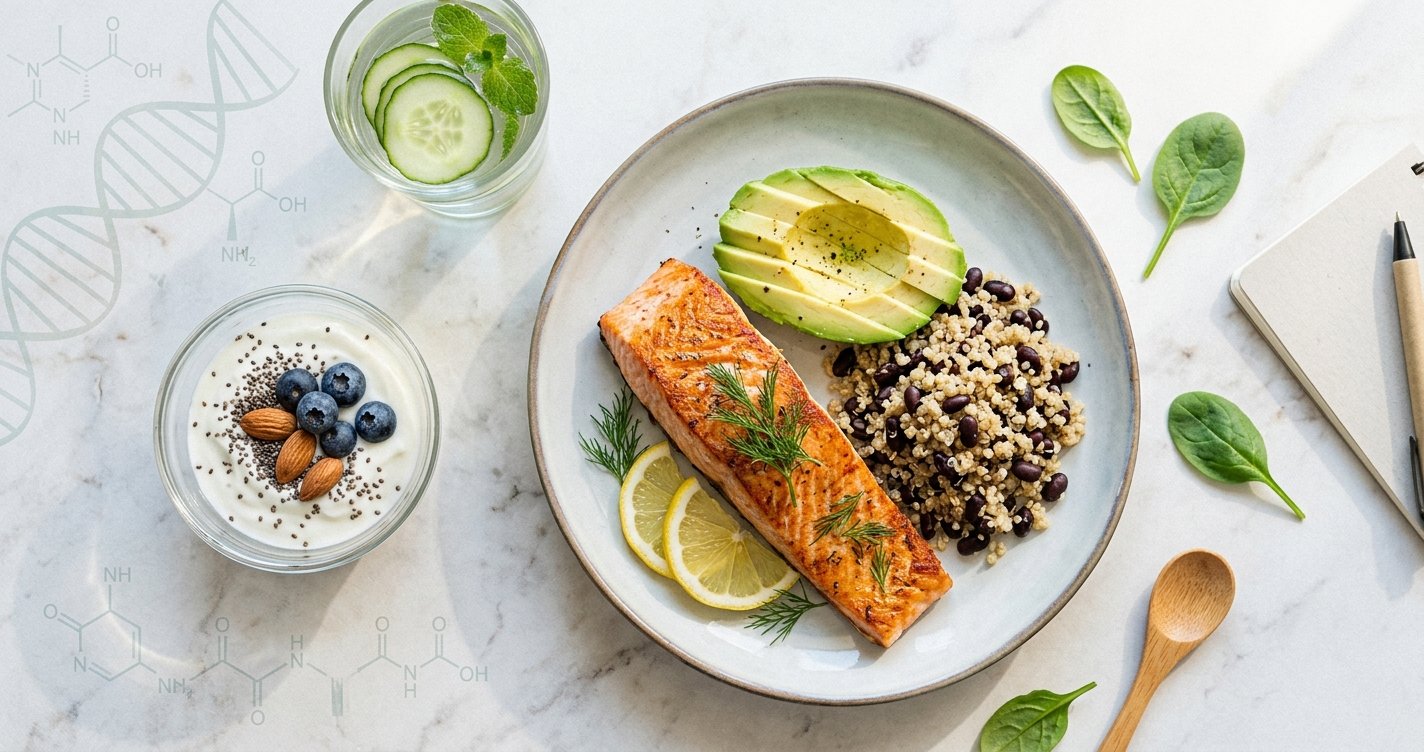
Are you on a quest for sustainable fat loss, but finding yourself constantly battling hunger, sluggish metabolism, or the dreaded muscle loss that often accompanies dieting? What if there was a powerful, science-backed ally that could help you overcome these challenges? Enter protein, the unsung hero of fat loss. More than just a building block for muscles, protein plays a pivotal role in optimizing your body for a leaner, healthier you.
In a world overflowing with diet fads and quick fixes, it's easy to get lost. But today, we're going to dive deep into the evidence-based benefits of protein for fat loss, explore how much you really need, and equip you with practical strategies to effortlessly integrate more of this vital macronutrient into your daily life. Get ready to transform your body and your relationship with food, all while feeling satisfied and energized! this excellent wellness product
Why Protein is Your Fat Loss MVP (Most Valuable Player)
When it comes to shedding unwanted fat, protein isn't just a good idea; it's essential. Its unique properties work synergistically to create an optimal environment for fat loss, making your journey smoother and more effective.
The Satiety Superpower: Feeling Fuller, Longer
One of the biggest hurdles in any fat loss journey is hunger. Constant cravings and a rumbling stomach can derail even the most determined efforts. This is where protein shines. Protein is renowned for its ability to increase satiety, meaning it helps you feel full and satisfied for longer periods compared to carbohydrates or fats.
- Hormonal Harmony: Protein influences the release of gut hormones like PYY and GLP-1, which signal fullness to your brain, while simultaneously suppressing ghrelin, the 'hunger hormone'. This hormonal interplay helps to reduce overall calorie intake naturally.
- Reduced Snacking: By keeping hunger at bay, a higher protein intake can significantly reduce the urge to snack between meals or overeat during subsequent meals, leading to a natural reduction in daily calorie consumption without feeling deprived.
Boosting Your Metabolism: The Thermic Effect of Food (TEF)
Did you know that your body burns calories just to digest, absorb, and process the food you eat? This is known as the Thermic Effect of Food (TEF), and protein has the highest TEF of all macronutrients. Approximately 20-30% of the calories from protein are burned during its digestion and metabolism, compared to 5-10% for carbohydrates and 0-3% for fats. This means that by choosing protein-rich foods, you're essentially getting a small metabolic boost with every meal, helping you burn more calories throughout the day.
Preserving Precious Muscle: A Key to Sustainable Fat Loss
When you're in a caloric deficit (eating fewer calories than you burn) to lose fat, your body can sometimes break down muscle tissue for energy, alongside fat. This is problematic because muscle is metabolically active, meaning it burns more calories at rest than fat tissue. Losing muscle can slow down your metabolism, making future fat loss harder and increasing the likelihood of weight regain.
A higher protein intake is crucial for preserving lean muscle mass during a fat loss phase. Protein provides the amino acids necessary for muscle repair and synthesis, signaling to your body to hold onto that valuable muscle, ensuring that the weight you lose is primarily fat.
How Much Protein Do You Really Need for Optimal Fat Loss?
The age-old question! While general dietary guidelines suggest a certain amount of protein for overall health, optimizing for fat loss often requires a slightly higher intake. The exact amount can vary based on several factors, but evidence-based recommendations provide a solid starting point.
Individual Needs: It's Not One-Size-Fits-All
For active individuals aiming for fat loss, a common recommendation is to consume between 1.6 to 2.2 grams of protein per kilogram of body weight (or 0.7 to 1.0 grams per pound of body weight) per day. For example, a person weighing 70 kg (approx. 154 lbs) might aim for 112-154 grams of protein daily.
- Activity Level: If you're highly active or engaging in regular strength training, your protein needs will likely be at the higher end of the spectrum to support muscle repair and growth.
- Current Body Weight: For individuals with a very high body weight, it might be more practical to calculate protein needs based on lean body mass or a target body weight to avoid excessively high (and potentially impractical) protein targets.
- Goals: While the primary goal here is fat loss, if you're also looking to build significant muscle, your protein intake might lean towards the upper end.
Debunking the "Too Much Protein" Myth
Concerns about high protein intake damaging kidneys are largely unfounded for healthy individuals. Extensive research indicates that a higher protein diet is safe and beneficial for most people, especially within the recommended ranges for fat loss. However, always consult with a healthcare professional or registered dietitian if you have pre-existing kidney conditions or other health concerns.
Smart Strategies to Boost Your Protein Intake Daily
Knowing why protein is important and how much you need is great, but the real magic happens when you implement practical strategies. Here’s how to make protein a seamless part of your daily routine:
Prioritize Protein at Every Meal
Instead of thinking of protein as an add-on, make it the cornerstone of your meals. Aim for at least 20-40 grams of protein in each main meal.
- Breakfast Boosters: Start your day strong with eggs, Greek yogurt, cottage cheese, or a protein smoothie.
- Lunch & Dinner Focus: Build your plates around lean protein sources like chicken breast, fish, lean beef, turkey, or plant-based options.
Snack Smart: Protein-Packed Options
Ditch the sugary, empty-calorie snacks and opt for protein-rich alternatives that keep you satisfied between meals.
- Hard-boiled eggs
- A handful of almonds or walnuts
- Greek yogurt or cottage cheese
- Edamame
- Protein bars (choose low-sugar, high-protein options)
- Beef jerky (low-sodium)
Embrace Diverse Protein Sources
Variety is the spice of life, and it ensures you get a broad spectrum of amino acids and micronutrients. Don't limit yourself to just chicken breast!
- Animal Sources: Lean meats (chicken, turkey, lean beef, pork), fish (salmon, tuna, cod), eggs, dairy (milk, Greek yogurt, cottage cheese, cheese).
- Plant-Based Sources: Lentils, beans, chickpeas, tofu, tempeh, edamame, quinoa, seitan, nuts, and seeds.
When to Consider Protein Supplements
While whole foods should always be your primary source of protein, supplements can be a convenient and effective way to meet your daily targets, especially if you have high needs or struggle to get enough through diet alone.
- Whey Protein: Fast-digesting, ideal post-workout.
- Casein Protein: Slow-digesting, good before bed or for sustained release.
- Plant-Based Proteins: Pea, rice, hemp, or soy protein for those avoiding animal products.
Remember, supplements are meant to supplement your diet, not replace whole foods. Always check the ingredient list and nutritional information.
Putting It All Together: Your High-Protein Meal Plan Blueprint
Let's visualize what a day of high-protein eating for fat loss could look like:
Breakfast Boosters (25-30g protein)
- Option 1: Greek yogurt (1 cup) with a scoop of protein powder, berries, and a sprinkle of chia seeds.
- Option 2: Scrambled eggs (3-4 large) with spinach and a slice of whole-grain toast.
Lunch & Dinner Powerhouses (30-45g protein)
- Option 1: Grilled chicken or salmon (4-6 oz) with a large mixed green salad and olive oil vinaigrette.
- Option 2: Lentil soup with a side of whole-wheat bread and a small serving of cottage cheese.
- Option 3: Lean ground turkey stir-fry with plenty of vegetables and a small portion of brown rice or quinoa.
Strategic Snacking (15-20g protein)
- A handful of almonds and an apple.
- Cottage cheese (1/2 cup) with sliced cucumbers.
- Protein shake with water or unsweetened almond milk.
Beyond the Plate: Integrating Protein with a Holistic Fat Loss Lifestyle
While protein is a superstar, it works best when combined with other healthy habits. Sustainable fat loss isn't just about what you eat; it's about your entire lifestyle.
Strength Training: Protein's Best Friend
To truly maximize protein's muscle-preserving benefits and boost your metabolism, integrate regular strength training into your routine. Lifting weights helps build and maintain muscle mass, which works in synergy with your high-protein diet to create a more metabolically active body, burning more calories even at rest.
Hydration, Sleep, and Stress: The Unsung Heroes
- Hydration: Drink plenty of water throughout the day. It supports metabolism, helps with satiety, and is vital for overall health.
- Sleep: Aim for 7-9 hours of quality sleep. Poor sleep can disrupt hunger hormones and make fat loss significantly harder.
- Stress Management: Chronic stress can lead to increased cortisol levels, which can hinder fat loss. Find healthy ways to manage stress, such as meditation, yoga, or spending time in nature.
Common Protein Pitfalls to Avoid on Your Journey
Even with the best intentions, it's easy to fall into common traps. Be mindful of these potential pitfalls to keep your fat loss journey on track:
Ignoring Quality Over Quantity
While getting enough protein is key, the quality of your protein sources matters. Opt for lean, unprocessed proteins whenever possible. Highly processed protein bars or fast-food protein options often come with added sugars, unhealthy fats, and excessive sodium, which can counteract your fat loss efforts.
Over-Reliance on Supplements
As mentioned, supplements can be useful, but they should never replace whole, nutrient-dense foods. Whole foods provide a broader spectrum of vitamins, minerals, fiber, and other beneficial compounds that supplements can't fully replicate.
Neglecting Other Macros and Micronutrients
While protein is crucial, a balanced diet is still paramount. Don't neglect healthy fats (avocado, nuts, olive oil) for hormone function and satiety, or complex carbohydrates (vegetables, whole grains, fruits) for energy and fiber. A balanced intake of all macronutrients, alongside a rich array of micronutrients, ensures your body functions optimally for fat loss and overall health.
Conclusion: Embrace the Power of Protein for Lasting Change
Protein is far more than just a bodybuilding nutrient; it's a powerful, evidence-backed tool for sustainable fat loss. By strategically increasing your protein intake, you can harness its ability to boost satiety, rev up your metabolism, and preserve precious muscle mass, making your fat loss journey more effective, enjoyable, and sustainable. Remember, consistency is key, and combining smart protein choices with a holistic approach to wellness will yield the best and most lasting results.
You have the knowledge and the power to make these changes. Start small, be consistent, and watch as the incredible power of protein helps you unlock your fat loss potential and achieve the leaner, healthier, and more vibrant you that you deserve. Your body will thank you!