Are you tired of the endless cycle of crash diets, restrictive eating, and frustrating plateaus in your fat loss journey? You're not alone. Many people get caught in the trap of quick fixes, only to find themselves back where they started, often feeling more discouraged than before. The truth is, sustainable fat loss isn't about deprivation; it's about smart, evidence-based nutrition that supports your body, keeps you feeling satisfied, and fuels your progress long-term. Today, we're going to unlock the power of two often-underestimated nutritional superstars: protein and fiber. These aren't just buzzwords; they are fundamental pillars that can transform your approach to fat loss, making it more effective, enjoyable, and, most importantly, sustainable.
Why "Dieting" Often Fails: The Satiety Struggle
Before we dive into our power duo, let's understand why many traditional diets fall short. The core principle of fat loss is creating a calorie deficit – consuming fewer calories than your body burns. Simple enough, right? In theory, yes. In practice, it’s a battle against hunger, cravings, and a plummeting metabolism. When you cut calories too drastically without paying attention to the quality of your food, your body often retaliates. this excellent wellness product
The Calorie Deficit Conundrum
While a calorie deficit is non-negotiable for fat loss, the *way* you achieve it profoundly impacts your success. Many diets focus purely on numbers, leading to meals that are low in calories but also low in nutrients and, crucially, low in satiety. This leaves you feeling constantly hungry, deprived, and prone to overeating.
Beyond Calories: The Role of Hunger and Cravings
Our bodies are wired for survival. When we restrict food, our hunger hormones (like ghrelin) surge, and our satiety hormones (like leptin) decrease. This biological response, coupled with psychological factors like cravings for comfort foods, makes sticking to a low-satiety diet incredibly difficult. It’s a recipe for rebound weight gain.
The Pitfalls of Restrictive Diets
Restrictive diets often cut out entire food groups, leading to nutrient deficiencies and an unhealthy relationship with food. They are rarely sustainable because they don't teach you how to eat healthily in the long term; they just tell you what *not* to eat. This is where protein and fiber step in as game-changers.
Protein: Your Muscle-Preserving, Hunger-Busting Ally
Protein is much more than just a nutrient for bodybuilders; it's a critical component for anyone aiming for sustainable fat loss and overall health. It plays a unique role in your body's metabolism and satiety.
The Thermic Effect of Food (TEF) Explained
Did you know that your body burns calories just to digest and process the food you eat? This is called the Thermic Effect of Food (TEF). Protein has the highest TEF compared to carbohydrates and fats. This means that roughly 20-30% of the calories from protein are expended during digestion, whereas for carbs it's 5-10% and for fats it's 0-3%. By simply increasing your protein intake, you can subtly boost your daily calorie expenditure.
Satiety Powerhouse: Feeling Fuller, Longer
This is arguably protein's greatest superpower for fat loss. Protein helps to reduce levels of the hunger hormone ghrelin and increase the production of satiety hormones like PYY and GLP-1. This translates to feeling fuller and more satisfied after meals, leading to fewer cravings and less spontaneous snacking throughout the day. When you're consistently satiated, adhering to a calorie deficit becomes significantly easier.
Muscle Preservation: Why It Matters for Metabolism
When you lose weight, you want to lose fat, not precious muscle. Muscle tissue is metabolically active, meaning it burns more calories at rest than fat tissue. If you lose muscle along with fat, your resting metabolic rate (RMR) can decrease, making it harder to keep the weight off in the long run. Adequate protein intake, especially when combined with resistance training, helps to preserve lean muscle mass during a calorie deficit, protecting your metabolism and ensuring that the weight you lose is primarily fat.
How Much Protein Do You Really Need?
While individual needs vary, a common recommendation for active individuals aiming for fat loss is to consume between 1.6 to 2.2 grams of protein per kilogram of body weight (or 0.7 to 1 gram per pound). Spreading this intake across multiple meals throughout the day can maximize muscle protein synthesis and satiety.
- Lean Meats: Chicken breast, turkey, lean beef, pork loin
- Fish & Seafood: Salmon, tuna, cod, shrimp
- Eggs: Whole eggs are excellent and versatile
- Dairy: Greek yogurt, cottage cheese, milk, whey protein
- Legumes: Lentils, beans, chickpeas (also great for fiber!)
- Plant-Based: Tofu, tempeh, edamame, seitan, plant-based protein powders
Fiber: The Gut-Friendly, Fat-Loss Facilitator
Often overlooked, dietary fiber is another unsung hero in the quest for sustainable fat loss. It's a type of carbohydrate that your body can't digest, but its impact on your health and waistline is profound.
The Satiety Secret Weapon: Volume and Viscosity
Fiber-rich foods add bulk to your meals without adding many calories. This physical volume helps to fill up your stomach, signaling to your brain that you're full. Soluble fiber, in particular, forms a gel-like substance in your digestive tract, slowing down the emptying of your stomach and increasing the time it takes for nutrients to be absorbed. This sustained feeling of fullness is crucial for managing hunger and reducing overall calorie intake.
Blood Sugar Stabilization: Warding Off Cravings
When you eat refined carbohydrates, your blood sugar can spike rapidly, leading to a subsequent crash that triggers hunger and intense cravings for more sugary foods. Fiber, especially soluble fiber, helps to slow down the absorption of sugar into your bloodstream. This leads to a more gradual rise and fall in blood sugar levels, preventing those sharp spikes and crashes, and keeping cravings at bay.
Gut Health Guardian: A Happy Gut for a Healthy Metabolism
Your gut microbiome, the trillions of bacteria living in your intestines, plays a vital role in your overall health, including your metabolism and weight management. Fiber acts as a prebiotic, feeding these beneficial gut bacteria. A healthy gut microbiome is linked to improved insulin sensitivity, reduced inflammation, and even better mood, all of which indirectly support fat loss.
Soluble vs. Insoluble Fiber: A Quick Look
- Soluble Fiber: Dissolves in water, forming a gel. Found in oats, beans, apples, citrus fruits, barley. Helps with satiety and blood sugar control.
- Insoluble Fiber: Does not dissolve in water. Found in whole grains, nuts, seeds, and the skins of fruits and vegetables. Adds bulk to stool, aiding digestive regularity.
Both types are important and work together for optimal health.
Fiber Goals: How Much is Enough?
The recommended daily fiber intake is around 25-30 grams for adults. However, most people fall far short of this. Gradually increasing your fiber intake is key to avoid digestive discomfort.
- Whole Grains: Oats, quinoa, brown rice, whole-wheat bread and pasta
- Fruits: Berries, apples (with skin), pears, bananas
- Vegetables: Broccoli, spinach, carrots, Brussels sprouts, sweet potatoes
- Legumes: Lentils, black beans, chickpeas, kidney beans
- Nuts & Seeds: Almonds, chia seeds, flax seeds, sunflower seeds
Bringing It All Together: Synergistic Strategies for Success
The real magic happens when you combine protein and fiber in your meals. They work synergistically to create a powerful fat-loss environment within your body.
Smart Meal Planning: Prioritizing Protein and Fiber
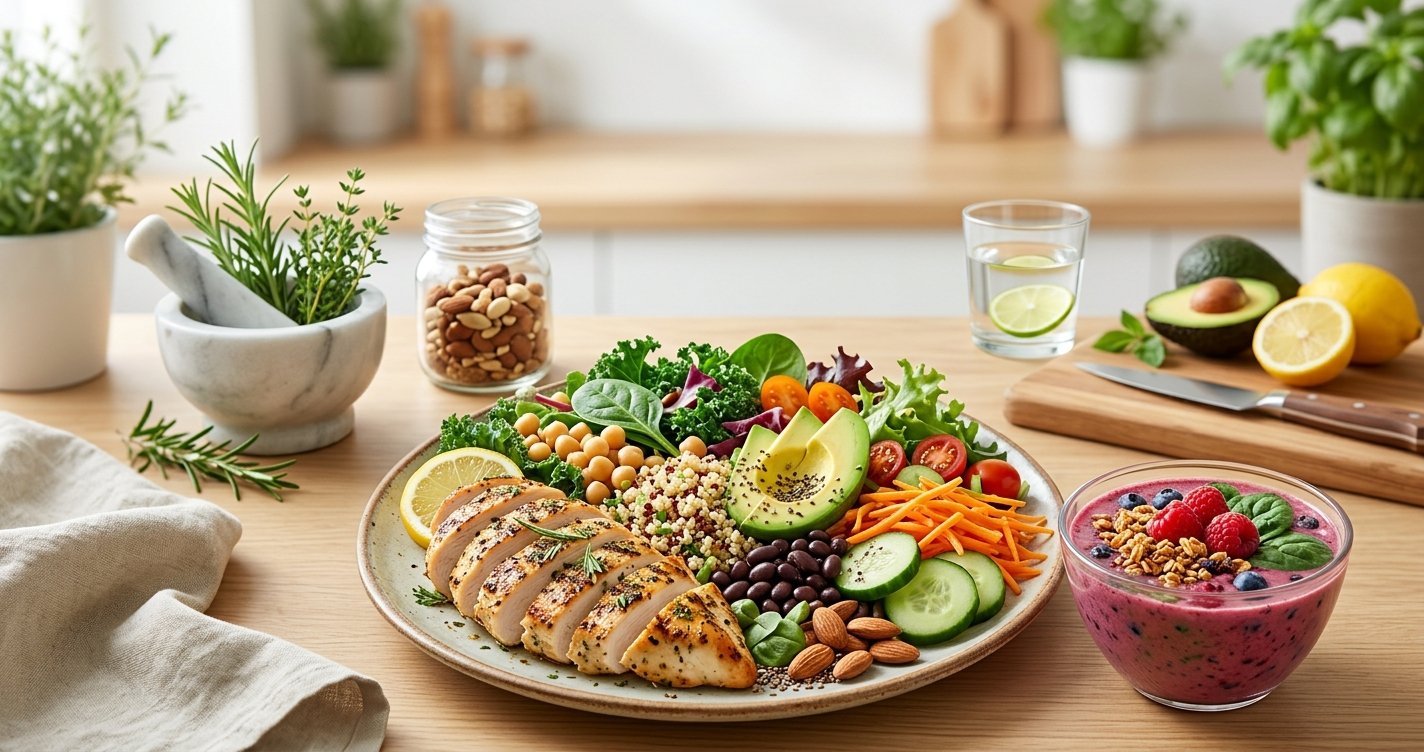
Aim to include a lean protein source and a high-fiber food (like vegetables, fruits, or whole grains) in every meal and snack. Think Greek yogurt with berries and a sprinkle of chia seeds, an omelet with spinach and whole-grain toast, or a chicken and veggie stir-fry with brown rice. These combinations will keep you feeling full and satisfied, making it easier to naturally reduce your overall calorie intake without feeling deprived.
Hydration and Mindful Eating: The Unsung Heroes
Don't forget the importance of water! Fiber needs water to do its job effectively. Staying well-hydrated also helps with satiety and can often be mistaken for hunger. Moreover, practice mindful eating: eat slowly, savor your food, and pay attention to your body's hunger and fullness cues. This helps you recognize when you've had enough, even with highly satiating meals.
Beyond Food: Lifestyle Factors
While nutrition is paramount, sustainable fat loss is a holistic endeavor. Ensure you're getting adequate sleep (7-9 hours), managing stress effectively, and incorporating regular physical activity, including both resistance training and cardiovascular exercise. These lifestyle factors complement your nutritional efforts, optimizing hormone balance and metabolic health.
Sustainable Fat Loss: A Journey, Not a Destination
Embracing protein and fiber as cornerstones of your diet isn't about rigid rules; it's about building sustainable habits that nourish your body and support your goals. It's a shift from restriction to empowerment, from deprivation to satisfaction. You're not just cutting calories; you're actively choosing foods that work *with* your body to promote fat loss, preserve muscle, and improve overall health. This approach fosters a positive relationship with food, making your journey enjoyable and your results lasting.
Remember, consistency is key. Small, consistent changes over time yield the most significant and sustainable results. Start by making one or two conscious choices each day to boost your protein and fiber intake. You'll soon discover that feeling full, energized, and in control of your hunger is not a pipe dream, but a delicious reality. Your fat loss journey doesn't have to be a struggle; it can be a well-fueled, satisfying path to a healthier, happier you.