Hey there, fitness friend! Are you on a journey to shed some unwanted body fat, feel more confident, and boost your overall health? If so, you’ve likely encountered a mountain of advice, some helpful, some… not so much. But what if we told you there’s one nutritional superstar that consistently stands out in the world of fat loss, backed by solid science and embraced by experts? We’re talking about protein, and it’s time to truly understand its incredible power.
Forget restrictive diets and endless cardio for a moment. While those certainly have their place, the strategic inclusion of protein in your diet can be a game-changer, making your fat loss efforts more effective, more sustainable, and frankly, more enjoyable. This isn't just about building big muscles; it's about optimizing your body's natural processes to burn fat efficiently, keep you feeling full, and preserve that precious lean muscle mass. Ready to dive into the delicious details and learn how to harness the power of protein for lasting fat loss? Let's get started! this excellent wellness product
Why Protein Is Your Secret Weapon for Fat Loss
Protein isn't just another macronutrient; it’s a foundational pillar for anyone serious about losing fat and improving body composition. Its unique properties work synergistically to support your goals in several key ways.
The Satiety Superstar: Feeling Fuller, Longer
One of the biggest challenges when trying to lose fat is managing hunger. Cravings and a constant feeling of emptiness can derail even the most determined efforts. This is where protein truly shines! Protein has a remarkable ability to increase satiety, meaning it keeps you feeling full and satisfied for longer periods compared to carbohydrates or fats. Research consistently shows that higher protein meals lead to reduced appetite and fewer late-night cravings. Imagine going about your day without constantly thinking about your next meal – that’s the power of protein at work, helping you naturally consume fewer calories without feeling deprived.
Fueling Your Metabolism: The Thermic Effect of Food (TEF)
Every time you eat, your body expends energy to digest, absorb, and metabolize the nutrients. This is known as the Thermic Effect of Food (TEF), and guess what? Protein has a significantly higher TEF than carbs or fats. Roughly 20-30% of the calories from protein are burned just during its digestion, compared to 5-10% for carbs and 0-3% for fats. This means that by prioritizing protein, you’re essentially boosting your daily calorie expenditure without even lifting a finger! It’s a small but significant metabolic advantage that adds up over time, making your calorie deficit more effective.
Preserving Precious Muscle: A Key to Sustainable Results
When you restrict calories to lose fat, your body doesn't always discriminate; it can sometimes break down muscle tissue along with fat. This is detrimental because muscle is metabolically active, meaning it burns more calories at rest than fat does. Losing muscle can slow down your metabolism, making future fat loss harder and increasing the likelihood of weight regain. A higher protein intake, especially when combined with strength training, helps signal to your body to preserve muscle mass while you’re in a calorie deficit. This ensures that the weight you're losing is predominantly fat, leading to a leaner, stronger, and more metabolically efficient you.
How Much Protein Do You Actually Need for Fat Loss?
So, you’re convinced protein is your ally. But how much should you be aiming for? The answer isn't a one-size-fits-all, but there are strong evidence-based guidelines.
General Guidelines vs. Individual Needs
For optimal fat loss and muscle preservation, most research suggests a protein intake ranging from 1.6 to 2.2 grams per kilogram of body weight (or roughly 0.7 to 1 gram per pound of body weight). For example, if you weigh 70 kg (about 154 lbs), you’d be aiming for roughly 112-154 grams of protein per day. Active individuals or those with a significant amount of muscle mass might lean towards the higher end of this range. It’s always a good idea to start tracking your current intake for a few days to see where you stand and then gradually increase it.
Spreading It Out: Maximizing Benefits
Simply hitting a daily protein target is great, but distributing that protein evenly throughout your day can amplify its benefits. Aim for at least 20-40 grams of protein per meal, and include protein in your snacks. This approach ensures a steady supply of amino acids, which are the building blocks of protein, to your muscles. It also helps maintain consistent satiety levels, preventing those mid-morning or afternoon energy crashes and subsequent unhealthy snacking.
Smart Protein Choices: Fueling Your Body Right
Not all protein sources are created equal. Opting for lean, high-quality proteins will provide the essential amino acids your body needs without excessive saturated fat or unnecessary calories.
Lean Animal Proteins
- Chicken and Turkey Breast: Versatile, lean, and excellent sources of complete protein.
- Fish and Seafood: Salmon, tuna, cod, shrimp, and tilapia are fantastic. Many also offer beneficial omega-3 fatty acids.
- Lean Beef and Pork: Look for cuts like sirloin, tenderloin, or extra-lean ground options.
- Eggs: The incredible edible egg! A complete protein powerhouse, with nutrients in both the yolk and white.
- Dairy: Greek yogurt, cottage cheese, and skim milk are packed with protein and often calcium.
Plant-Based Powerhouses
For our plant-based friends or those looking to diversify, there are abundant options:
- Legumes: Lentils, chickpeas, black beans, and kidney beans are rich in protein and fiber.
- Tofu and Tempeh: Soy-based products that are incredibly versatile and complete protein sources.
- Edamame: Great as a snack or addition to salads.
- Quinoa: A grain that’s also a complete protein.
- Seitan: Made from wheat gluten, it has a meat-like texture and high protein content.
- Nuts and Seeds: Almonds, peanuts, chia seeds, flax seeds, and pumpkin seeds offer protein, healthy fats, and fiber.
The Role of Protein Supplements
While whole foods should always be your primary source, protein powders (like whey, casein, or plant-based options) can be incredibly convenient for hitting your daily targets, especially after a workout or when you're on the go. They are a supplement, not a replacement for nutrient-dense whole foods, but they can definitely be a helpful tool in your fat loss arsenal.
Practical Tips for Boosting Your Protein Intake
Incorporating more protein into your diet doesn't have to be complicated or bland. Here are some simple, actionable tips:
Start Your Day Strong
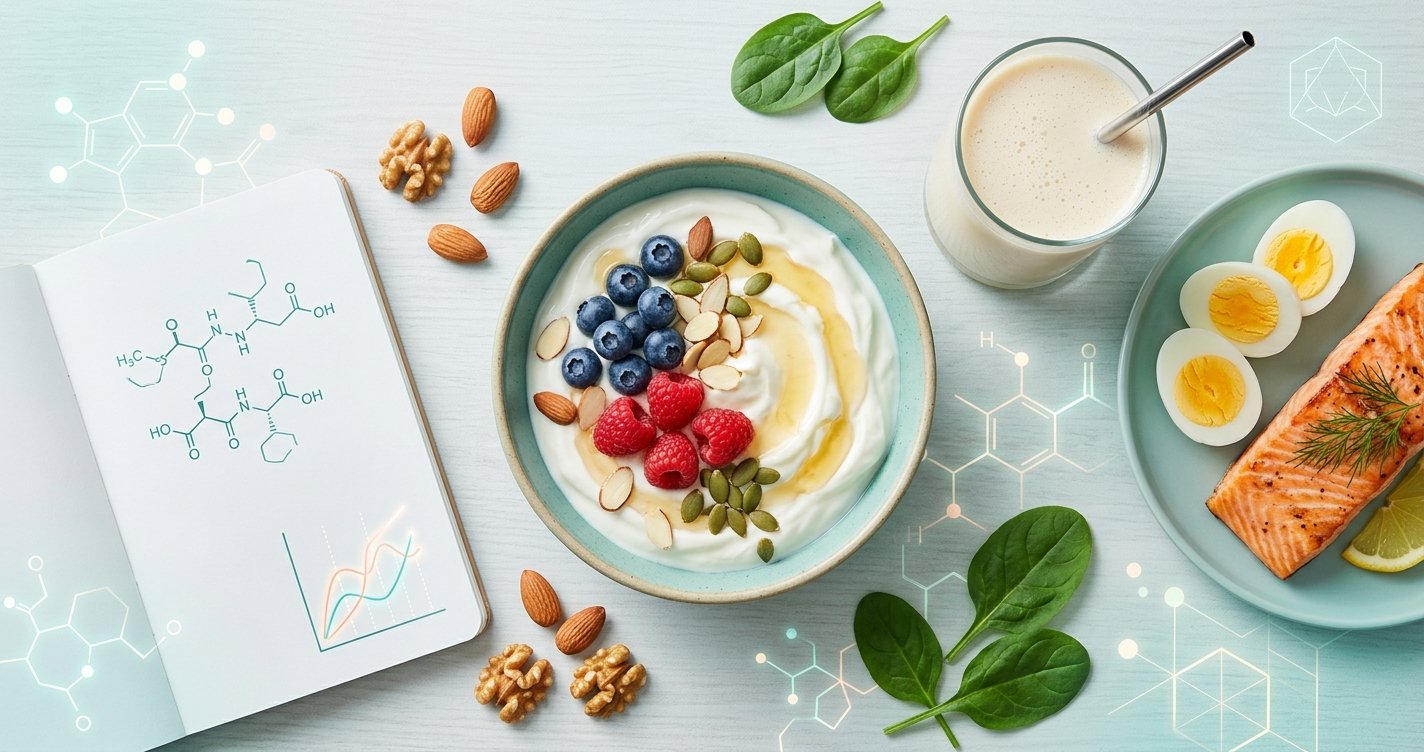
Make breakfast a protein-rich affair. Think scrambled eggs, Greek yogurt with berries, cottage cheese, or a protein smoothie. This sets the tone for the day, keeping you full and energized.
Make Every Meal a Protein Opportunity
When planning lunch and dinner, always start with your protein source. Build your meal around lean meat, fish, tofu, or legumes, then add your veggies and complex carbs.
Smart Snacking
Swap out sugary, carb-heavy snacks for protein-packed alternatives. Hard-boiled eggs, a handful of almonds, string cheese, a small container of Greek yogurt, or jerky are excellent choices that fight hunger.
Meal Prep for Success
Dedicate some time each week to cook large batches of protein sources like grilled chicken, baked salmon, or roasted chickpeas. This makes grabbing a healthy, protein-rich meal quick and easy during busy weekdays.
Read Labels and Experiment
Pay attention to food labels to identify high-protein options. Don't be afraid to try new recipes and protein sources to keep things interesting and ensure you're getting a wide range of nutrients.
Beyond Protein: A Holistic Approach to Fat Loss
While protein is a powerful ally, remember it's part of a larger picture. For sustainable fat loss, consider these other crucial elements:
- Calorie Deficit: You still need to consume fewer calories than you burn. Protein helps you achieve this more comfortably.
- Strength Training: Lifting weights is essential for building and preserving muscle, which further boosts your metabolism.
- Cardio: Incorporate some cardiovascular exercise for heart health and additional calorie burn.
- Sleep: Adequate, quality sleep is vital for hormone regulation and appetite control.
- Hydration: Drink plenty of water throughout the day; sometimes thirst can be mistaken for hunger.
- Stress Management: Chronic stress can impact hormones that encourage fat storage, especially around the midsection.
Your Journey to a Leaner, Stronger You Starts Now!
There you have it – the undeniable power of protein for fat loss. It's not a magic bullet, but it's undoubtedly one of the most effective, evidence-backed tools you have at your disposal. By prioritizing protein, you're not just aiming for a number on the scale; you're actively working to preserve muscle, boost your metabolism, and control your appetite, leading to a healthier, more sustainable transformation.
Remember, consistency is key. Start by making small, manageable changes to your diet, focusing on adding more high-quality protein to each meal and snack. Be patient with yourself, celebrate your progress, and trust in the process. You’ve got this! Fuel your body right, and watch as you unlock your full fat loss potential, feeling stronger, more satisfied, and more energized than ever before.