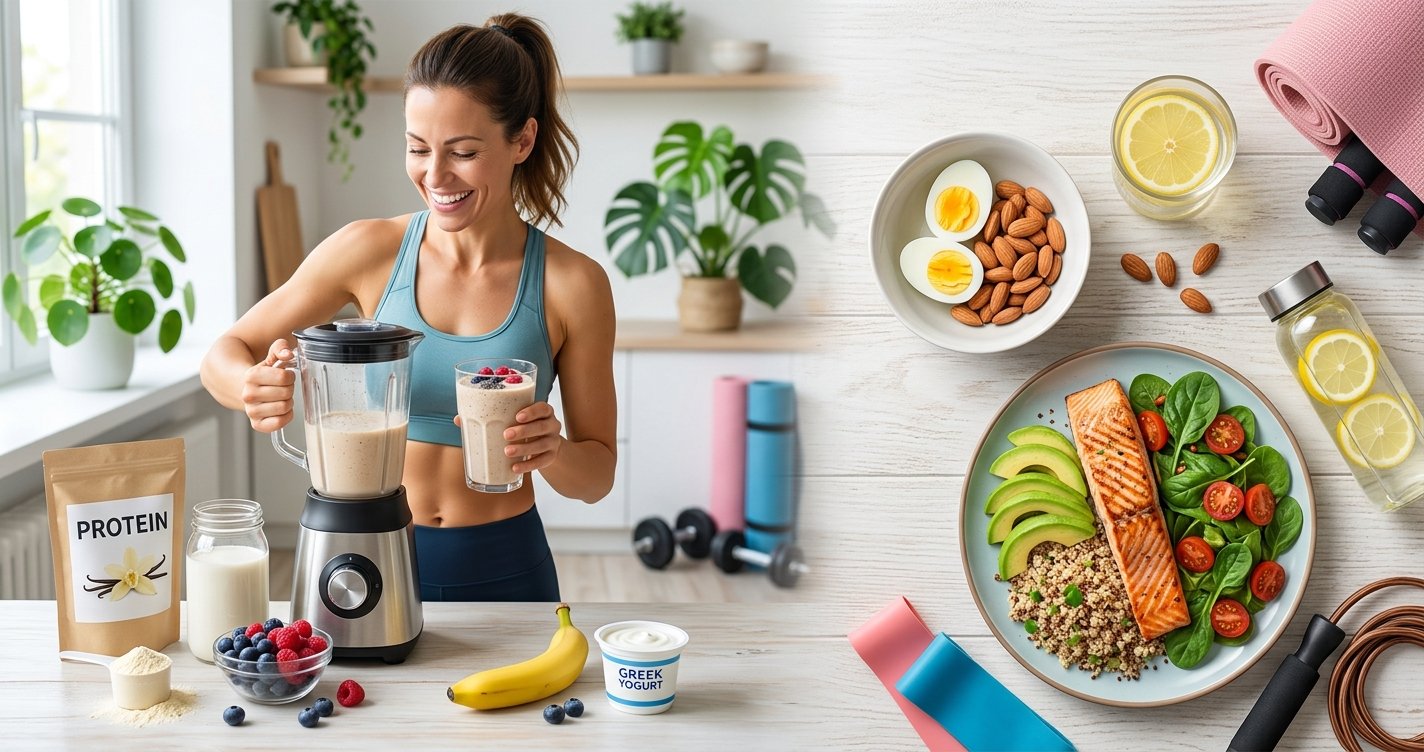
Unlock Your Fat Loss Potential: The Power of Protein for a Leaner, Healthier You
Are you navigating the often-confusing world of fat loss, trying every diet under the sun, only to feel hungry, frustrated, or like you’re losing muscle instead of fat? You’re not alone. Many people embark on their fat loss journey with good intentions but miss out on one of the most powerful, science-backed tools in their arsenal: protein.
Forget the myth that protein is just for bodybuilders. For anyone looking to shed unwanted fat, preserve precious muscle, and feel satisfied while doing it, protein is your unsung hero. In this friendly, evidence-based guide, we’ll dive deep into why protein is absolutely crucial for effective and sustainable fat loss, how much you really need, and practical ways to make it a delicious, integral part of your daily routine. Get ready to transform your approach to fat loss, fueled by the power of protein! this excellent wellness product
Why Protein is Your Ultimate Fat Loss Ally
When it comes to losing fat, most people instinctively think about cutting calories. While a calorie deficit is fundamental, how you achieve that deficit, and what you eat, makes all the difference. This is where protein shines, offering a multi-faceted approach to making fat loss easier and more effective.
The Satiety Superstar: Feeling Fuller, Longer
One of the biggest challenges in a calorie deficit is hunger. Protein is renowned for its ability to promote satiety – that feeling of fullness and satisfaction after eating. Studies consistently show that higher protein meals lead to reduced appetite and fewer cravings compared to meals with less protein but similar calorie counts. This means you’re less likely to snack unnecessarily or overeat at your next meal, making adherence to your calorie goals much easier. It works by influencing appetite-regulating hormones like ghrelin (the hunger hormone) and GLP-1 (a satiety hormone), helping your body feel satisfied naturally.
Fueling Your Metabolism: The Thermic Effect of Food (TEF)
Did you know that your body burns calories just to digest, absorb, and process the nutrients from your food? This is known as the Thermic Effect of Food (TEF). Protein has a significantly higher TEF than carbohydrates or fats. While carbs burn about 5-10% of their calories during digestion, and fats burn 0-3%, protein burns an impressive 20-30%. This means that for every 100 calories of protein you consume, your body uses 20-30 of those calories just to process it. Incorporating more protein can subtly yet effectively boost your daily calorie expenditure, giving you a slight metabolic advantage in your fat loss efforts.
Protecting Your Hard-Earned Muscle
When you’re in a calorie deficit, your body is looking for energy. Without adequate protein, there’s a risk that some of that energy will come from breaking down your muscle tissue, not just fat. Losing muscle is counterproductive for fat loss because muscle is metabolically active – it burns more calories at rest than fat tissue. By consuming sufficient protein, especially when combined with resistance training, you send a strong signal to your body to preserve muscle mass. This ensures that the weight you lose is predominantly fat, helping you achieve a leaner, more toned physique and maintaining a higher resting metabolism.
How Much Protein Do You Really Need for Optimal Fat Loss?
The exact amount of protein needed can vary based on individual factors, but for fat loss, the recommendations are generally higher than the standard dietary guidelines for the general population.
General Guidelines and Individual Needs
For individuals aiming for fat loss, research suggests a protein intake of around 1.6 to 2.2 grams per kilogram of body weight (or 0.7 to 1 gram per pound of body weight) is effective. For example, if you weigh 70 kg (154 lbs), aiming for 112-154 grams of protein per day would be a good target. This range helps maximize satiety, preserve muscle, and support metabolic function during a calorie deficit. It’s also important to distribute your protein intake throughout the day, aiming for 20-40 grams per meal or snack, rather than consuming most of it in one sitting.
When Activity Levels Matter
If you're highly active, especially engaging in regular strength training, your protein needs might lean towards the higher end of the recommended range (closer to 2.2 g/kg or 1 g/lb). This is because exercise creates micro-tears in muscle fibers, and protein is essential for their repair and growth. The more you challenge your muscles, the more protein they require to recover and adapt, which is vital for maintaining muscle mass while shedding fat.
Smart Protein Sources: Beyond the Basics
Variety is the spice of life, and it’s no different when it comes to protein. While chicken breast is a classic, there's a whole world of delicious and nutritious protein sources to explore.
Animal-Based Powerhouses
- Lean Meats: Chicken breast, turkey, lean beef (sirloin, round), pork loin.
- Fish and Seafood: Salmon (rich in omega-3s), cod, tuna, shrimp, sardines.
- Eggs: A complete protein, versatile, and affordable.
- Dairy: Greek yogurt (especially high in protein), cottage cheese, milk, whey protein (if supplementing).
Plant-Based Protein Heroes
- Legumes: Lentils, chickpeas, black beans, kidney beans.
- Tofu and Tempeh: Excellent versatile soy-based options.
- Edamame: Great as a snack or addition to salads.
- Quinoa: A complete protein grain.
- Nuts and Seeds: Almonds, peanuts, chia seeds, flax seeds (provide protein and healthy fats).
- Plant-Based Protein Powders: Pea, rice, hemp protein can be great for boosting intake.
The Role of Protein Supplements
While whole foods should always be your primary source of nutrients, protein supplements can be a convenient and effective way to meet your daily protein targets, especially if you have a busy lifestyle, higher protein needs, or dietary restrictions. Whey protein is popular for its fast absorption, while casein provides a slower, sustained release. Plant-based options are excellent for vegans or those with dairy sensitivities. They are supplements, though, meaning they complement, not replace, a diet rich in whole protein foods.
Practical Tips to Boost Your Daily Protein Intake
Incorporating more protein into your diet doesn't have to be complicated or bland. Here are some simple, actionable strategies:
Breakfast Boosts
- Swap sugary cereals for Greek yogurt with berries and a sprinkle of nuts/seeds.
- Add eggs to your morning routine – scrambled, poached, or in an omelet with veggies.
- Blend a protein smoothie with fruit, spinach, and a scoop of protein powder.
Smart Snacking
- Keep hard-boiled eggs on hand.
- Opt for cottage cheese or string cheese.
- Grab a handful of almonds or a serving of edamame.
- Make your own protein bites with oats, nut butter, and protein powder.
Meal Planning Made Easy
- Prioritize Protein: When planning meals, think about your protein source first, then add vegetables and healthy carbs.
- Batch Cook: Prepare a larger batch of grilled chicken, baked salmon, or cooked lentils at the beginning of the week to easily add to meals.
- Lean on Leftovers: Cook extra dinner to pack for lunch the next day.
- Strategic Swaps: Replace some grains in a meal with legumes or lean meat (e.g., adding chicken to a salad instead of a huge portion of pasta).
Dispelling Common Protein Myths
Despite its benefits, protein often gets a bad rap due to persistent myths. Let’s clear the air.
“Protein is Bad for Your Kidneys” (Context is Key)
This is a common misconception. For healthy individuals with normal kidney function, there is extensive research showing that high protein intake (even up to 2.2 g/kg) does not cause kidney damage. However, if you have pre-existing kidney disease, a very high protein diet might indeed be problematic, and you should always consult your doctor or a registered dietitian. For most people, this concern is unfounded.
“Protein Will Make Me Bulky” (Especially for Women)
Many women fear that increasing protein will lead to an undesirable “bulky” physique. This is largely untrue. Building significant muscle mass requires a very specific training regimen, often a calorie surplus, and specific hormonal profiles (like higher testosterone levels, which women naturally have in much lower amounts than men). Protein helps preserve and build lean muscle, which contributes to a toned, strong appearance, not typically a bulky one, especially when you are in a calorie deficit for fat loss.
Embrace the Power of Protein for Lasting Fat Loss
By now, it’s clear: protein isn't just another macronutrient; it's a cornerstone of effective and sustainable fat loss. From keeping you full and satisfied to boosting your metabolism and safeguarding your precious muscle, protein empowers your body to shed fat more efficiently and healthily.
Remember, fat loss is a journey, not a sprint. By prioritizing adequate protein intake, alongside a balanced diet and regular physical activity, you’re not just chasing a number on the scale; you’re building a stronger, healthier, and more vibrant you. Start incorporating these tips today, and feel the difference protein can make in unlocking your full fat loss potential!