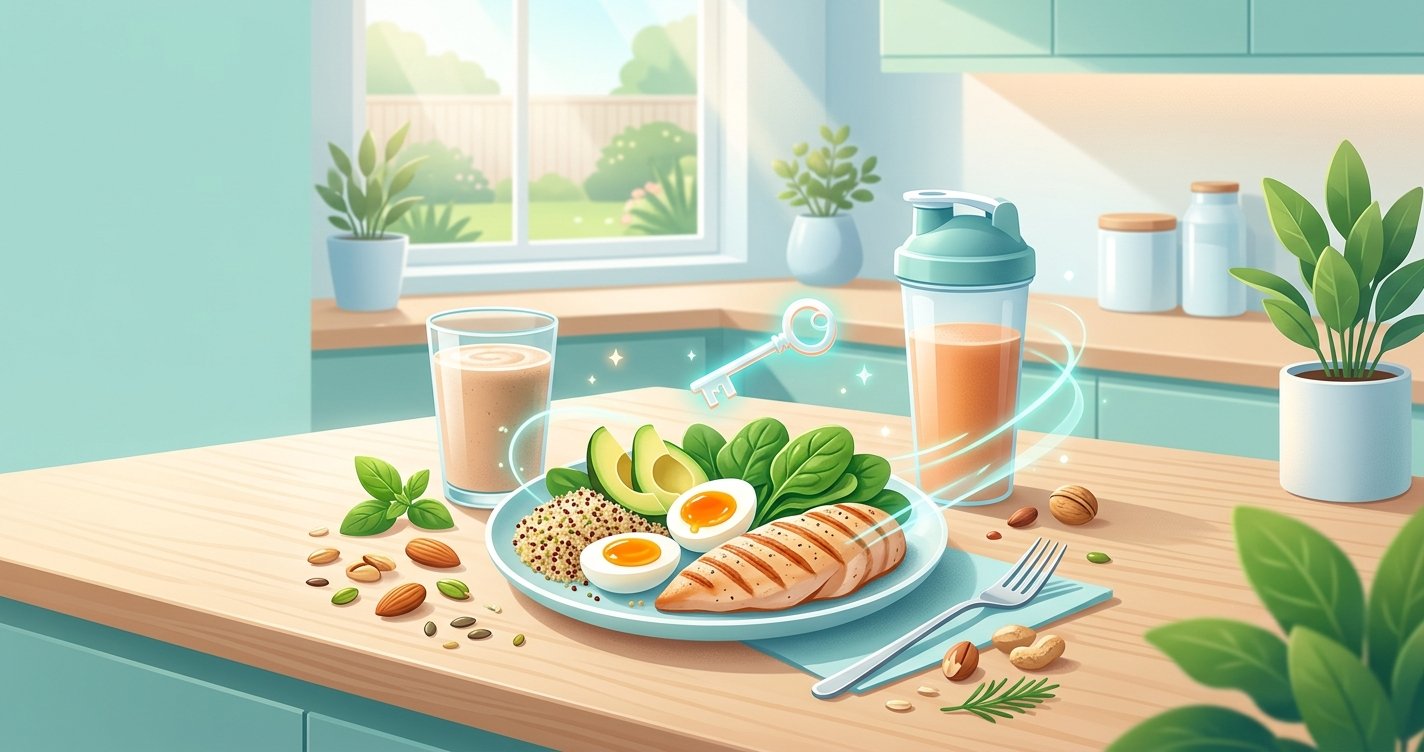
Tired of the endless cycle of restrictive diets that leave you hungry, frustrated, and ultimately, back where you started? You’re not alone. Many people approach fat loss with a focus solely on cutting calories, often overlooking a crucial macronutrient that can make all the difference: protein. It's not just for bodybuilders; protein is your secret weapon for sustainable, effective fat loss.
Imagine a fat loss journey where you feel fuller for longer, preserve your precious muscle, and even burn more calories just by eating. Sounds good, right? That’s the power of protein. In this guide, we'll dive deep into why protein is so vital for shedding unwanted fat, how much you truly need, and practical ways to effortlessly incorporate more of it into your daily life. this excellent wellness product
Why Protein is Your Secret Weapon for Fat Loss
Protein isn't just a building block for muscles; it plays multiple, interconnected roles that directly support your fat loss goals. Understanding these mechanisms can empower you to make smarter dietary choices.
The Thermic Effect of Food (TEF): Burn More Calories Just By Eating!
Did you know that your body expends energy just to digest, absorb, and metabolize the food you eat? This is known as the Thermic Effect of Food (TEF), and protein has the highest TEF of all macronutrients. While carbohydrates have a TEF of 5-10% and fats around 0-3%, protein boasts a TEF of 20-30%. This means that for every 100 calories of protein you consume, your body uses 20-30 of those calories just to process it. Effectively, you're getting fewer 'net' calories from protein, giving you a metabolic edge in your fat loss efforts.
Satiety Superpower: Feel Fuller, Longer
One of the biggest challenges in fat loss is battling hunger and cravings. This is where protein truly shines. Protein is incredibly satiating, meaning it helps you feel full and satisfied for extended periods. It does this by influencing several hunger-regulating hormones. For instance, protein boosts the production of hormones like GLP-1 and PYY, which signal fullness to your brain, while simultaneously reducing levels of ghrelin, the 'hunger hormone.' By keeping hunger at bay, protein helps you naturally reduce your overall calorie intake without feeling deprived, making it easier to stick to your fat loss plan.
Muscle Preservation: The Key to a Revved-Up Metabolism
When you're in a calorie deficit to lose fat, your body can sometimes break down muscle tissue for energy, not just fat. This is a problem because muscle is metabolically active – it burns more calories at rest than fat does. Losing muscle means your resting metabolic rate (RMR) can decrease, making it harder to lose weight and easier to regain it. A higher protein intake, especially when combined with strength training, helps protect your lean muscle mass during fat loss. By preserving muscle, you keep your metabolism firing, ensuring that a larger percentage of your weight loss comes from fat, not muscle.
How Much Protein Do You REALLY Need for Fat Loss?
The standard dietary recommendations for protein are often geared towards general health, not optimized fat loss. For individuals actively trying to lose fat and preserve muscle, the requirements are higher.
- General Guideline: A common recommendation for fat loss is to aim for 1.6 to 2.2 grams of protein per kilogram of body weight (or 0.7 to 1 gram per pound of body weight) per day.
- Example: If you weigh 70 kg (about 154 lbs), you'd aim for approximately 112-154 grams of protein daily.
- Considerations: Your activity level plays a role. If you're highly active or engaging in regular strength training, you might benefit from the higher end of this range. Older adults may also benefit from slightly higher protein intake to combat age-related muscle loss.
Don't be afraid of consuming 'too much' protein within reason. For healthy individuals, a high protein intake (up to 2.2 g/kg/day or even slightly higher) is generally safe and beneficial for fat loss, as long as you're adequately hydrated and not exceeding your total calorie goals.
Practical Strategies to Boost Your Protein Intake
Now that you understand the 'why,' let's get into the 'how.' Boosting your protein intake doesn't have to be complicated or boring. Here are some actionable strategies:
Smart Meal Planning: Distribute Your Protein
Instead of front-loading your protein or saving it all for dinner, aim to distribute your protein intake fairly evenly throughout the day. This helps maximize muscle protein synthesis and keeps you feeling full consistently. Try to include 20-40 grams of protein at each main meal.
- High-Protein Breakfast: Start your day strong. Think Greek yogurt with berries and nuts, eggs with whole-wheat toast, or a protein smoothie.
- Protein-Packed Lunch & Dinner: Build your meals around a lean protein source like chicken breast, fish, lean beef, tofu, or lentils.
- Strategic Snacking: Opt for protein-rich snacks between meals to curb hunger and keep your protein intake steady.
Top Protein Sources: Beyond Chicken Breast
Variety is the spice of life, and it's also key to getting a full spectrum of amino acids and nutrients. Explore a range of protein sources:
- Animal Sources: Lean meats (chicken, turkey, lean beef, pork), fish (salmon, tuna, cod), eggs, dairy (Greek yogurt, cottage cheese, milk, whey protein). These are complete proteins, meaning they contain all nine essential amino acids your body can't produce.
- Plant-Based Sources: Legumes (lentils, chickpeas, black beans), tofu, tempeh, edamame, quinoa, seitan, nuts, seeds, plant-based protein powders (pea, soy, rice). While many plant proteins are 'incomplete' on their own, combining various sources throughout the day ensures you get all essential amino acids.
Easy Protein Hacks for Busy Lives
Life gets hectic, but that's no excuse to skimp on protein. Here are some quick hacks:
- Meal Prep: Cook large batches of chicken, ground turkey, or lentils at the beginning of the week to add to salads, wraps, or stir-fries.
- Protein Powders: A quick and convenient way to boost protein. Add whey, casein, or plant-based protein to smoothies, oatmeal, or just mix with water/milk.
- Canned & Frozen Options: Keep canned tuna, salmon, or frozen edamame and shrimp on hand for quick additions to meals.
- Fortify Foods: Stir protein powder into pancake batter, add nutritional yeast to savory dishes, or sprinkle seeds (hemp, chia) into yogurt or salads.
Combining Protein with Other Pillars of Sustainable Fat Loss
While protein is incredibly powerful, it's most effective when integrated into a holistic approach to fat loss. Think of it as a crucial piece of a larger puzzle:
- Balanced Nutrition: Don't forget healthy fats, complex carbohydrates, and plenty of fiber-rich fruits and vegetables. These provide essential nutrients, energy, and further enhance satiety.
- Strength Training: Lifting weights is paramount for building and preserving muscle mass, which works synergistically with protein intake to boost your metabolism and improve body composition.
- Hydration: Drinking enough water is vital for overall health, metabolic function, and can also help manage hunger cues.
- Sleep & Stress Management: Poor sleep and chronic stress can disrupt hormones that regulate appetite and fat storage. Prioritizing these aspects supports your fat loss efforts from all angles.
Embrace the Protein Advantage for Lasting Results!
Moving beyond restrictive dieting and embracing a protein-rich diet can truly transform your fat loss journey. By harnessing protein's power to boost metabolism, enhance satiety, and preserve muscle, you're not just losing weight; you're building a healthier, stronger, and more sustainable foundation for your body.
Remember, consistency is key. Start by making small, manageable changes to increase your protein intake, listen to your body, and celebrate every step of your progress. You have the power to unlock your fat loss potential – and protein is a fantastic ally on that journey!