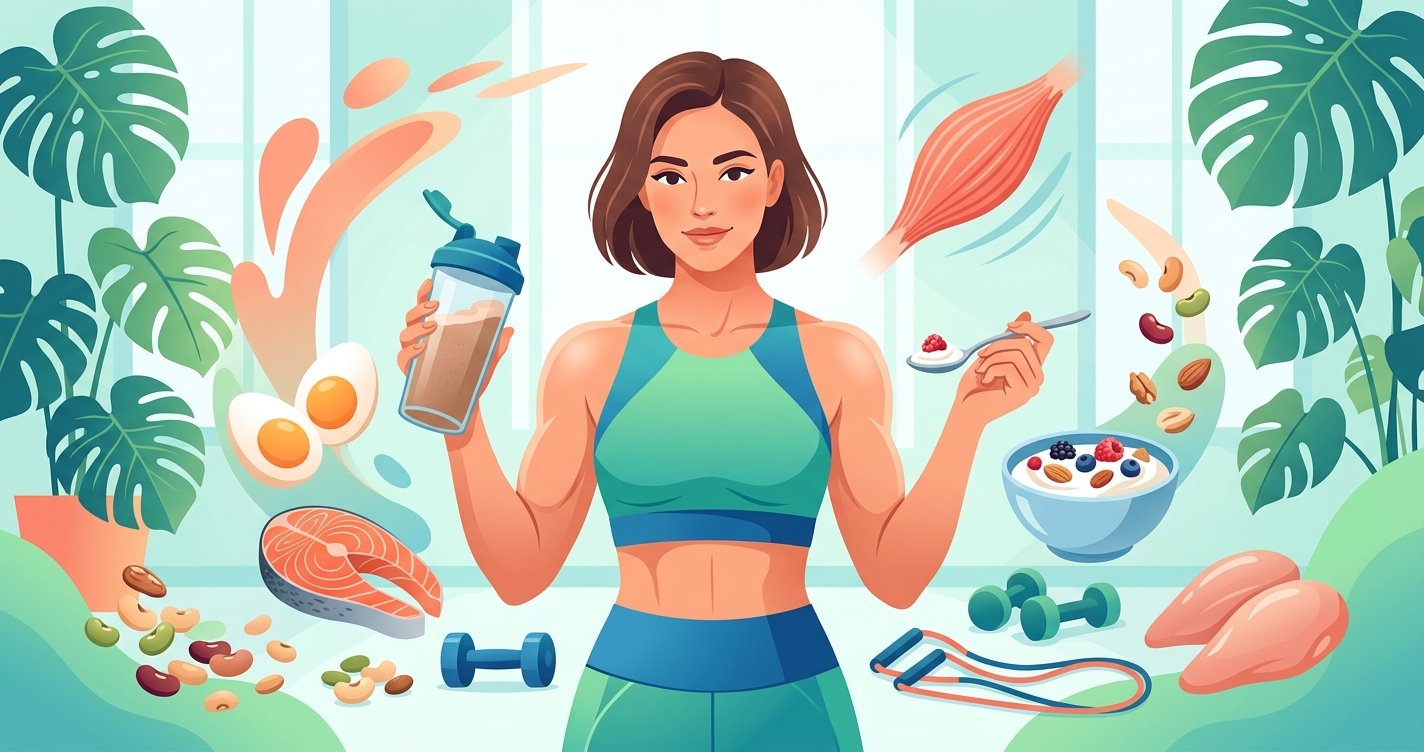
Fuel Your Fat Loss: The Ultimate Guide to Protein for a Leaner, Stronger You
Embarking on a fat loss journey can feel like navigating a complex maze, with countless diets and strategies vying for your attention. But what if there was one powerful nutrient that could significantly simplify your path, make you feel fuller, boost your metabolism, and protect your hard-earned muscle? Enter protein, your unsung hero in the quest for a leaner, healthier you.
Often associated primarily with bodybuilders, protein's role in fat loss is far more comprehensive and crucial for everyone. It's not just about building big muscles; it's about optimizing your body's ability to burn fat, maintain energy, and feel satisfied. Ready to unlock the full potential of protein? Let's dive in! this excellent wellness product
Why Protein is Your Secret Weapon for Fat Loss
When it comes to shedding those extra pounds, not all calories are created equal. Protein stands out for several key reasons that directly contribute to effective and sustainable fat loss. Understanding these mechanisms will empower you to make smarter dietary choices.
The Satiety Factor: Feeling Full, Eating Less
One of the biggest challenges of being in a calorie deficit (eating fewer calories than you burn) is dealing with hunger. This is where protein shines! Protein is renowned for its ability to increase feelings of fullness and reduce appetite more effectively than carbohydrates or fats. Research consistently shows that a higher protein intake can lead to a significant reduction in overall calorie consumption.
How does it work? Protein influences several satiety hormones in your body, like PYY and GLP-1, which signal to your brain that you're full and satisfied. This means less snacking, fewer cravings, and an easier time sticking to your calorie goals without feeling deprived.
Boosting Your Metabolism: The Thermic Effect of Food (TEF)
Did you know that your body expends energy just to digest, absorb, and metabolize the food you eat? This is called the Thermic Effect of Food (TEF). And guess which macronutrient has the highest TEF? You guessed it – protein!
Protein requires significantly more energy to process than fats or carbohydrates. While carbs and fats have a TEF of around 5-15%, protein's TEF can range from 20-30%. This means that for every 100 calories of protein you consume, your body uses 20-30 of those calories just to break it down. Over the course of a day, this small metabolic boost can add up, contributing to a slightly higher overall calorie burn and making fat loss more efficient.
Protecting Your Hard-Earned Muscle (and Metabolism!)
When you're in a calorie deficit, your body doesn't just burn fat; it can also break down muscle tissue for energy. This is a common pitfall of many restrictive diets, and it's something you want to avoid!
Muscle is metabolically active, meaning it burns more calories at rest than fat tissue. Losing muscle can slow down your metabolism, making it harder to lose weight and easier to regain it once you stop dieting. A high protein intake, especially when combined with resistance training, helps to preserve lean muscle mass during fat loss. By providing your muscles with the building blocks they need, protein ensures that the weight you lose is primarily fat, not muscle, keeping your metabolism humming along nicely.
How Much Protein Do You Really Need for Fat Loss?
So, you're convinced protein is key. But how much should you be aiming for? While individual needs can vary based on activity level, age, and current body composition, a general guideline for fat loss is typically higher than the standard dietary recommendations.
- For most active individuals aiming for fat loss: Target 0.7 to 1 gram of protein per pound of your ideal body weight (or current body weight if you're overweight).
- In metric terms: This translates to roughly 1.6 to 2.2 grams of protein per kilogram of body weight.
For example, if your ideal body weight is 150 pounds, you'd aim for 105-150 grams of protein per day. This might seem like a lot, but by strategically incorporating protein into your meals and snacks, it's absolutely achievable!
Smart Strategies to Boost Your Protein Intake
Integrating more protein into your diet doesn't have to be complicated or bland. Here are some practical, delicious ways to ensure you're hitting your targets:
Prioritize Protein at Every Meal
Don't save all your protein for dinner. Distribute your protein intake throughout the day to maximize satiety and muscle protein synthesis. Aim for at least 20-30 grams of protein at each main meal.
- Breakfast: Instead of just toast, opt for Greek yogurt with berries, scrambled eggs with veggies, or a protein smoothie.
- Lunch & Dinner: Build your plate around a lean protein source like chicken breast, fish, lean beef, tofu, or lentils, accompanied by plenty of vegetables.
Snack Smart: Protein-Packed Options
Mid-morning or afternoon hunger pangs are an opportunity, not a setback, to get more protein in! Ditch the sugary snacks and reach for protein-rich alternatives.
- Hard-boiled eggs
- Cottage cheese or Greek yogurt
- A handful of almonds or walnuts
- Beef jerky (check for low sugar options)
- Edamame
- A small can of tuna or salmon
Don't Be Afraid of Supplements (When Needed)
While whole foods should always be your primary source of nutrition, protein supplements can be incredibly convenient and effective for meeting your daily protein goals, especially when you're busy or struggle to eat enough whole food protein.
- Whey Protein: Fast-digesting, great post-workout.
- Casein Protein: Slow-digesting, ideal before bed.
- Plant-Based Proteins: Pea, rice, or soy protein for vegan/vegetarian options.
Remember, supplements are meant to supplement your diet, not replace nutrient-dense meals.
Delicious & Diverse Protein Sources
Variety is the spice of life, and it's also key to a sustainable, enjoyable diet. Explore a wide range of protein sources to keep your meals exciting and ensure you're getting a broad spectrum of nutrients.
Animal-Based Proteins
- Lean Meats: Chicken breast, turkey, lean cuts of beef (sirloin, round), pork loin.
- Fish & Seafood: Salmon, tuna, cod, shrimp (rich in omega-3s too!).
- Eggs: The incredible, versatile egg is a complete protein powerhouse.
- Dairy: Greek yogurt, cottage cheese, milk, cheese (in moderation).
Plant-Based Proteins
- Legumes: Lentils, chickpeas, black beans, kidney beans.
- Soy Products: Tofu, tempeh, edamame.
- Grains: Quinoa (a complete protein!), oats.
- Nuts & Seeds: Almonds, peanuts, chia seeds, flax seeds, pumpkin seeds (also provide healthy fats!).
Common Protein Myths Debunked
It's time to clear up some common misconceptions that might be holding you back from embracing protein fully.
"Too much protein is bad for your kidneys."
This is a widely circulated myth that often causes unnecessary concern. For healthy individuals with normal kidney function, there is extensive scientific evidence showing that a high protein intake is safe and does not cause kidney damage. If you have pre-existing kidney disease, then, of course, a doctor's guidance is essential. But for the vast majority of people, this is simply not true.
"Protein will make me bulky."
Unless you're intentionally training to become a bodybuilder and consuming a significant calorie surplus, a high protein intake alone will not make you "bulky." Protein supports muscle growth and preservation, but building substantial muscle mass is a complex process that requires specific resistance training, a calorie surplus, and often specific genetic predispositions.
Your Protein-Powered Fat Loss Journey Starts Now!
As you can see, protein is much more than just a muscle builder. It's a critical ally in your fat loss journey, helping you feel full, boost your metabolism, and protect your precious muscle mass. By strategically increasing your protein intake, you're not just dieting; you're building a foundation for sustainable health, strength, and a leaner physique.
So, why wait? Start incorporating these protein-powered strategies into your daily routine. Experiment with new recipes, find your favorite protein sources, and enjoy the incredible benefits this mighty macronutrient has to offer. Your leaner, stronger, and more energized self is just around the corner!