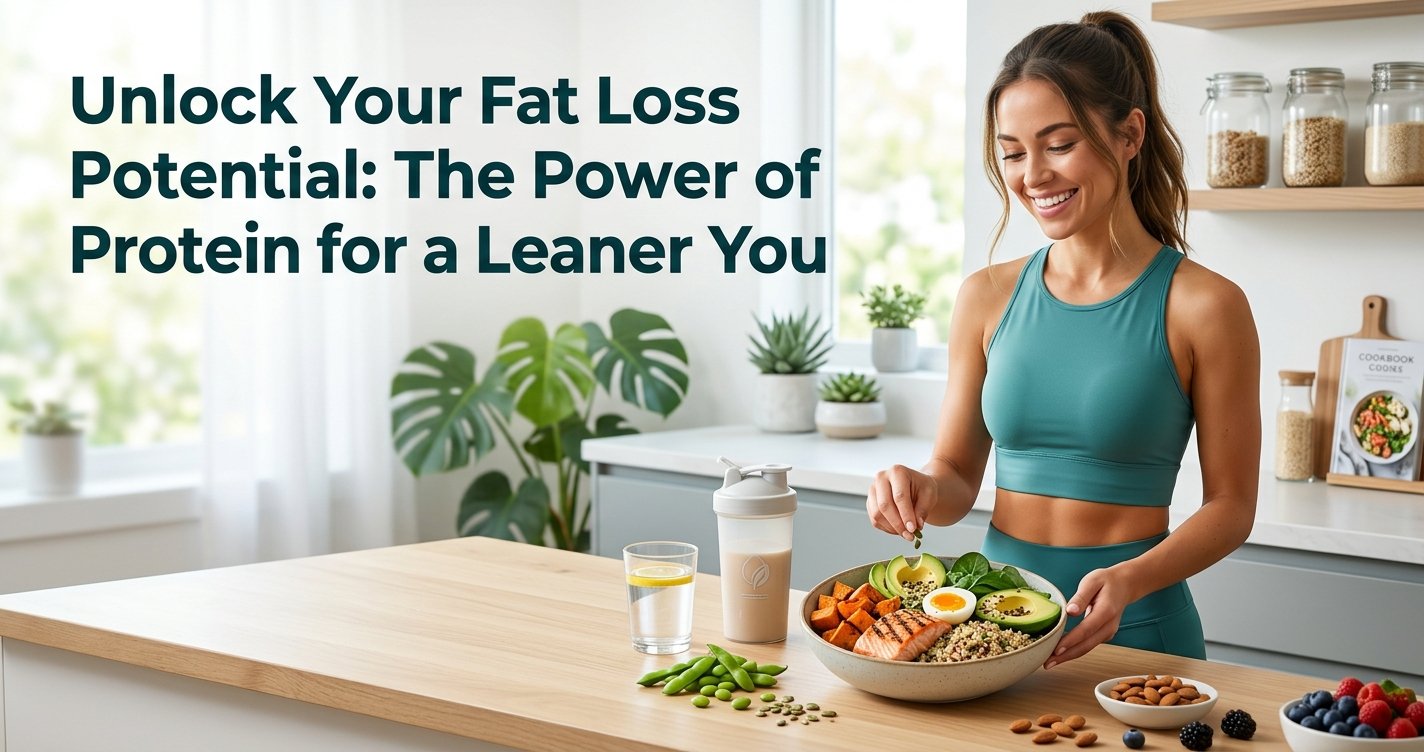
Unlock Your Fat Loss Potential: The Power of Protein for a Leaner You
Are you navigating the often-confusing world of fat loss, trying every diet under the sun, only to feel hungry, frustrated, or like you’re losing muscle instead of fat? You’re not alone. Many people focus solely on cutting calories, but the quality and composition of those calories matter immensely. And when it comes to sustainable, effective fat loss, one macronutrient stands head and shoulders above the rest: protein.
Often hailed as the building block of life, protein plays a crucial, multifaceted role in helping you shed unwanted fat, preserve precious muscle, and feel your best. It’s not just for bodybuilders; it’s a non-negotiable ally for anyone serious about transforming their body composition. Let's dive into the science-backed reasons why protein is your ultimate partner in fat loss and how you can harness its power. this excellent wellness product
Why Protein is Your Fat Loss MVP (Most Valuable Player)
Imagine a superhero with multiple powers, all working together for one goal. That’s protein in the context of fat loss. It doesn’t just do one thing well; it contributes to your success in several key ways, creating a powerful synergy that makes achieving and maintaining a lean physique much more manageable. Its main superpowers include boosting satiety, increasing metabolic rate, and preserving muscle mass – all critical components of a successful fat loss journey.
The Satiety Secret: How Protein Keeps Cravings at Bay
One of the biggest hurdles in any fat loss plan is hunger. Those nagging cravings and the constant feeling of emptiness can derail even the most determined efforts. This is where protein shines. Protein is by far the most satiating of the three macronutrients (protein, carbs, and fats).
When you consume protein, it triggers the release of hormones like GLP-1 and CCK, which send signals to your brain that you're full and satisfied. It also helps suppress ghrelin, the 'hunger hormone.' Studies consistently show that individuals who consume a higher protein diet report feeling fuller for longer, leading to a natural reduction in overall calorie intake without feeling deprived. Think about it: a chicken breast leaves you feeling much more satisfied than a slice of white bread, even if they have similar calorie counts.
Fueling Your Metabolism: The Thermic Effect of Food (TEF)
Did you know that your body expends energy just to digest, absorb, and metabolize the food you eat? This phenomenon is known as the Thermic Effect of Food (TEF). And guess which macronutrient has the highest TEF? You guessed it – protein!
Approximately 20-30% of the calories from protein are burned off during digestion, compared to 5-10% for carbohydrates and a mere 0-3% for fats. This means that if you eat 100 calories from protein, your body uses 20-30 of those calories just to process it. While this might seem like a small amount on a meal-to-meal basis, it adds up significantly over days, weeks, and months, contributing to a higher overall daily calorie expenditure and making your calorie deficit more effective.
Protecting Your Gains: Muscle Preservation During a Calorie Deficit
When you restrict calories to lose fat, your body naturally looks for energy sources. Without adequate protein intake, a significant portion of the weight you lose could come from precious muscle mass, not just fat. Losing muscle is detrimental because muscle tissue is metabolically active, meaning it burns more calories at rest than fat tissue. A reduction in muscle mass can slow down your metabolism, making it harder to lose fat and easier to regain weight in the future.
A high-protein diet, especially when combined with resistance training, acts as a protective shield for your muscles. It provides the essential amino acids needed to repair and rebuild muscle tissue, signaling to your body that it should prioritize burning fat for energy while sparing your hard-earned muscle. This ensures that the weight you're losing is predominantly fat, leading to a leaner, stronger, and more metabolically active physique.
How Much Protein Do You Really Need? Evidence-Based Recommendations
So, if protein is so vital, how much should you be aiming for? While individual needs can vary based on activity level, age, and specific goals, general recommendations for fat loss typically fall into a higher range than standard dietary guidelines.
- For active individuals aiming for fat loss: A common recommendation is to consume between 1.6 to 2.2 grams of protein per kilogram of body weight (or approximately 0.7 to 1.0 gram per pound of body weight).
- For example: If you weigh 70 kg (about 154 lbs), you'd be looking at roughly 112-154 grams of protein per day.
It's also beneficial to distribute your protein intake throughout the day, aiming for 20-40 grams per meal and snack. This helps maximize muscle protein synthesis and keeps you feeling full and satisfied consistently.
Smart Protein Choices: Delicious Sources for Every Diet
Incorporating more protein into your diet doesn't have to be bland or boring. There's a vast array of delicious, nutrient-dense protein sources to choose from:
- Animal Sources: Lean meats (chicken breast, turkey, lean beef), fish (salmon, tuna, cod), eggs, Greek yogurt, cottage cheese, whey protein.
- Plant Sources: Legumes (lentils, chickpeas, black beans), tofu, tempeh, edamame, seitan, quinoa, nuts and seeds (almonds, chia seeds, pumpkin seeds), plant-based protein powders (pea, rice, soy).
Aim for whole, unprocessed sources whenever possible, as they also provide a wealth of other essential vitamins, minerals, and fiber.
Practical Tips to Boost Your Protein Intake
Ready to put protein to work for your fat loss goals? Here are some simple, actionable tips:
- Start with Protein at Breakfast: Ditch the sugary cereals. Opt for eggs, Greek yogurt with berries, cottage cheese, or a protein smoothie to kickstart your day with satiety.
- Prioritize Protein at Every Meal: Make protein the centerpiece of your lunch and dinner plates. Think grilled chicken, fish, lean steak, or a generous serving of tofu/lentils.
- Smart Snacking: Instead of chips or cookies, reach for protein-rich snacks like hard-boiled eggs, a handful of almonds, a protein bar, or a small container of cottage cheese.
- Don't Forget About Supplements (When Needed): While whole foods should always be your primary source, protein powders (whey, casein, or plant-based) can be a convenient and effective way to meet your daily protein targets, especially post-workout or when you're short on time.
- Meal Prep for Success: Cook larger batches of lean protein sources like chicken breast or ground turkey at the beginning of the week to easily add to your meals.
Embrace the Protein Advantage for Lasting Fat Loss
Achieving sustainable fat loss isn't just about cutting calories; it's about optimizing your nutrition to support your body's natural processes. Protein is not merely a nutrient; it's a strategic tool that empowers you to feel fuller, boost your metabolism, and protect your muscle mass, making your fat loss journey more effective, enjoyable, and sustainable.
By making protein a cornerstone of your diet, you're not just losing weight; you're building a healthier, stronger, and leaner version of yourself. So, take the leap, embrace the power of protein, and unlock your true fat loss potential!