Struggling to shed those stubborn pounds? Feeling constantly hungry on your diet? If you’ve been battling the bulge, you’ve likely heard about countless diets and strategies. But what if one key macronutrient could be your secret weapon, making your fat loss journey not just effective, but also more satisfying and sustainable? Enter protein!
Often hailed by athletes and bodybuilders, protein is far more than just a muscle-builder. For anyone aiming to lose fat, protein is an absolute game-changer. It’s not about restrictive eating or endless cardio; it’s about smart nutrition, and protein sits at the very heart of it. In this comprehensive, evidence-based guide, we’ll dive deep into why protein is your most valuable player (MVP) for fat loss, how much you truly need, and practical ways to integrate more of this incredible nutrient into your daily life. this excellent wellness product
Get ready to unlock the power of protein and transform your fat loss journey from a struggle into a success story!
Why Protein is Your Ultimate Ally in Fat Loss
Protein isn't just another food group; it's a strategic partner in your quest for a leaner, healthier you. Its unique properties make it stand out from carbohydrates and fats when it comes to optimizing fat loss. Let's break down why.
The Satiety Superstar: Feeling Full, Longer
One of the biggest hurdles in any fat loss journey is hunger. Constant cravings and the feeling of deprivation can derail even the most determined individual. This is where protein shines. Protein is renowned for its ability to increase satiety, meaning it helps you feel fuller for longer periods compared to carbs or fats. This isn't just a feeling; it's backed by science. Protein influences hunger hormones like ghrelin (the hunger hormone) and GLP-1 (a satiety hormone), signaling to your brain that you're satisfied. Imagine eating a meal and not feeling the urge to snack again for hours – that's the protein advantage!
Metabolic Powerhouse: Boosting Your Calorie Burn
Did you know that your body burns calories just to digest and process the food you eat? This is called the Thermic Effect of Food (TEF), and protein has the highest TEF of all macronutrients. While carbs have a TEF of 5-10% and fats 0-3%, protein boasts a TEF of 20-30%. This means that for every 100 calories of protein you consume, your body uses 20-30 of those calories just to break it down. Over the course of a day, this can add up to a significant number of extra calories burned, giving your metabolism a gentle, consistent boost without any extra effort on your part.
Muscle Guardian: Protecting Your Metabolism
When you're in a calorie deficit to lose weight, your body doesn't just burn fat; it can also burn muscle. Losing muscle is counterproductive to fat loss goals because muscle tissue is more metabolically active than fat tissue. This means more muscle equals a higher resting metabolism, helping you burn more calories even at rest. Adequate protein intake is crucial for preserving lean muscle mass, especially when you're cutting calories and engaging in strength training. By safeguarding your muscles, protein ensures that the weight you lose is primarily fat, not valuable muscle, keeping your metabolism revved up and your body composition improving.
How Much Protein Do You Actually Need for Fat Loss?
The age-old question! While general recommendations for protein intake exist, for fat loss, the optimal amount is often higher than you might think. Most dietary guidelines suggest around 0.8 grams of protein per kilogram of body weight for sedentary adults. However, for those actively trying to lose fat, particularly while exercising, these recommendations often fall short.
Evidence suggests that aiming for 1.6 to 2.2 grams of protein per kilogram of body weight (or 0.7 to 1.0 grams per pound of body weight) is ideal for maximizing muscle preservation and satiety during a calorie deficit. For example, a person weighing 70 kg (about 154 lbs) would aim for roughly 112-154 grams of protein per day. This might sound like a lot, but it’s entirely achievable with smart food choices. Your exact needs might vary based on your activity level, age, and individual goals, but this range provides an excellent starting point.
Smart & Delicious Ways to Amp Up Your Protein Intake
Integrating more protein into your diet doesn't have to be boring or bland. With a little planning, it can be incredibly delicious and diverse. Here are some practical tips and food sources to help you hit your protein targets:
Lean Meats & Poultry: The Classics
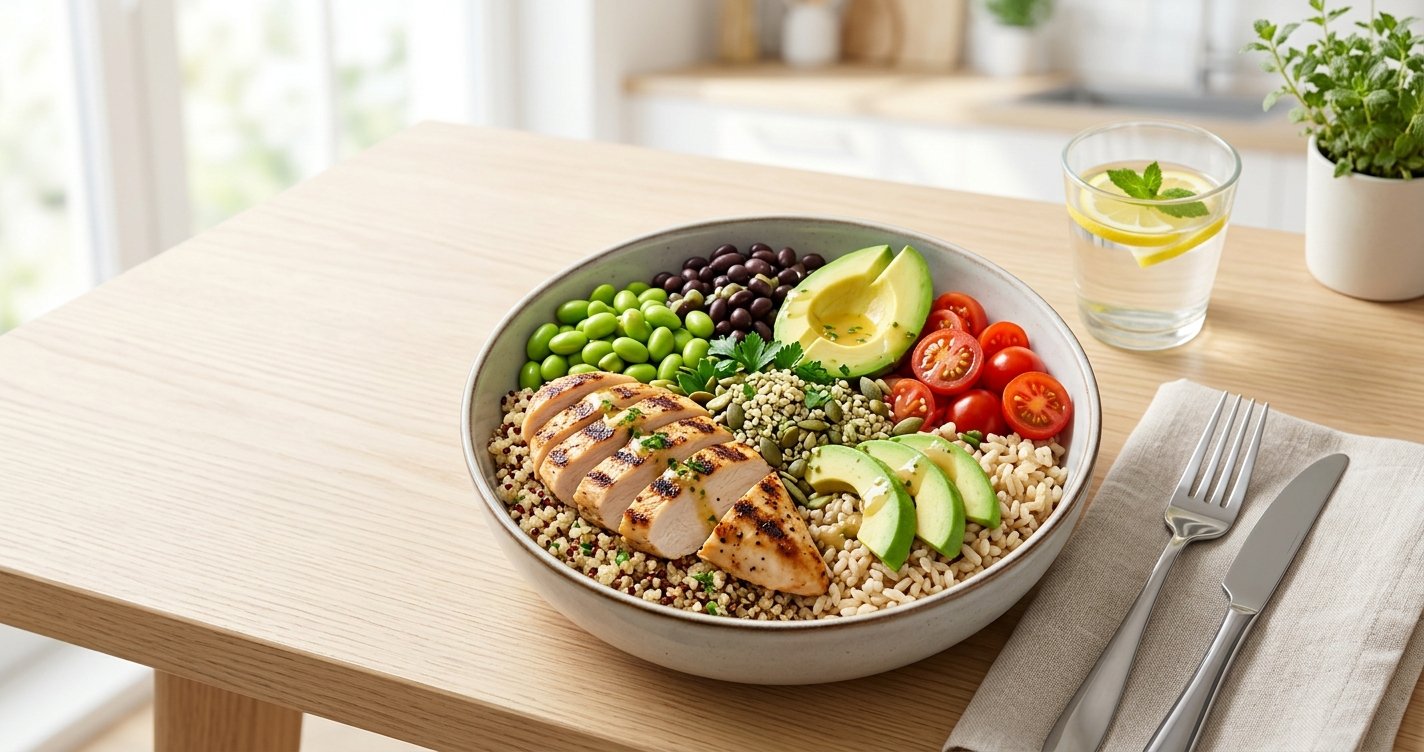
- Chicken Breast & Turkey: Versatile, lean, and packed with protein. Great for grilling, baking, stir-fries, or shredding into salads.
- Lean Beef & Pork: Opt for leaner cuts like sirloin, tenderloin, or extra-lean ground beef.
- Fish & Seafood: Salmon (also rich in omega-3s!), tuna, cod, shrimp, and tilapia are excellent choices. Aim for at least two servings of fish per week.
Dairy & Eggs: Versatile & Convenient
- Eggs: The incredible edible egg! A perfect protein source for any meal. Don't skip the yolk – it contains vital nutrients.
- Greek Yogurt: Much higher in protein than regular yogurt. Great for breakfast, snacks, or as a sour cream substitute.
- Cottage Cheese: Another protein powerhouse, excellent on its own or with fruit.
- Low-Fat Milk & Cheese: Good sources, especially when combined with other protein foods.
Plant-Based Powerhouses: Beyond the Meat
Don't eat meat? No problem! There are fantastic plant-based protein sources too:
- Legumes: Lentils, chickpeas, black beans, kidney beans are versatile and fiber-rich.
- Tofu & Tempeh: Soy-based products that absorb flavors beautifully.
- Edamame: Perfect for snacking or adding to salads.
- Quinoa: A complete protein grain, great as a side dish or salad base.
- Nuts & Seeds: Almonds, walnuts, chia seeds, flax seeds, hemp seeds offer protein and healthy fats.
Supplements: A Helping Hand (When Needed)
While whole foods should always be your primary source, protein supplements can be a convenient way to meet your daily needs, especially on busy days or post-workout.
- Whey Protein: Fast-digesting, great for post-workout recovery.
- Casein Protein: Slow-digesting, ideal before bed to support muscle repair overnight.
- Plant-Based Proteins: Pea, rice, or hemp protein powders are excellent alternatives for those avoiding dairy.
Timing is Everything: Optimizing Your Protein Schedule
It's not just about how much protein you eat, but also when you eat it. Spreading your protein intake throughout the day is more beneficial than consuming it all in one or two large meals. Aim for 20-40 grams of protein at each main meal and include protein-rich snacks if needed. This strategy helps maximize muscle protein synthesis and keeps you feeling satiated consistently.
- Breakfast: Start your day strong with protein. Eggs, Greek yogurt, or a protein smoothie can set the tone for reduced hunger throughout the day.
- Lunch & Dinner: Ensure a generous serving of lean protein is the centerpiece of these meals.
- Post-Workout: A protein shake or a protein-rich meal within an hour or two after exercise can aid in muscle recovery and growth.
Beyond Fat Loss: The Holistic Benefits of Protein
While our focus here is on fat loss, it's worth noting that protein offers a plethora of other health benefits. It's essential for:
- Immune Function: Antibodies are proteins, so adequate intake supports a strong immune system.
- Bone Health: Protein plays a role in bone mineral density and strength.
- Hair, Skin, and Nails: These are primarily made of protein (keratin and collagen), so sufficient intake supports their health and appearance.
- Enzyme and Hormone Production: Many vital enzymes and hormones in your body are proteins, crucial for countless bodily functions.
By prioritizing protein, you're not just working towards a leaner physique; you're investing in your overall health and well-being.
Your Action Plan: Making Protein Work for You
Ready to harness the power of protein? Here’s a simple action plan to get started:
- Calculate Your Target: Use the 1.6-2.2 grams per kg body weight guideline to determine your daily protein goal.
- Plan Your Meals: Look at your current diet and identify where you can easily add more protein.
- Prioritize Protein at Every Meal: Make protein the first thing you consider when building your plate.
- Smart Snacking: Replace sugary or carb-heavy snacks with protein-rich alternatives (e.g., a handful of almonds, a hard-boiled egg, Greek yogurt).
- Track Your Intake (Initially): For a few days, use a food tracking app to get a realistic idea of your current protein intake and how close you are to your goal. This awareness is key!
- Stay Consistent: Small, consistent changes yield the biggest results.
Conclusion: Embrace the Power of Protein for a Leaner, Healthier You
Protein is truly a super-macronutrient for anyone serious about sustainable fat loss. Its ability to boost satiety, enhance your metabolism, and preserve muscle mass makes it an indispensable tool in your nutritional toolkit. It’s not about quick fixes or extreme diets; it’s about making smart, evidence-based choices that empower your body to perform and look its best.
By consciously increasing your protein intake, you’ll likely find yourself feeling more satisfied, energized, and in control of your eating habits. This isn't just about losing weight; it's about building a healthier, stronger, and more resilient you. So, go ahead, embrace the power of protein, and watch your fat loss journey transform into a path of sustainable success!