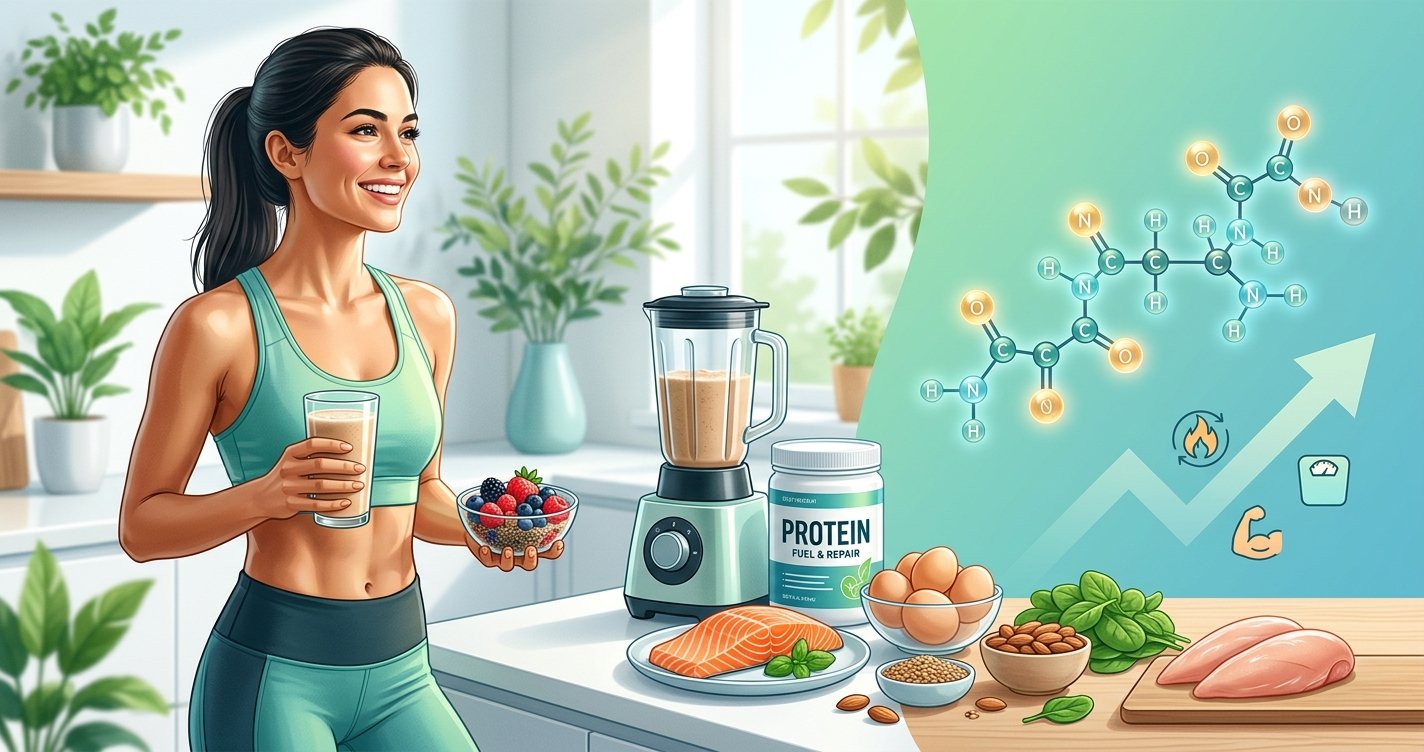
Are you on a journey to shed those stubborn pounds and reveal a leaner, stronger you? You’ve likely heard about countless diets and exercise regimens, but what if one simple, yet incredibly powerful, nutrient could be the game-changer you've been searching for? We're talking about protein – the unsung hero of sustainable fat loss. Far from just building big muscles, optimizing your protein intake is a fundamental strategy for anyone serious about losing fat, maintaining muscle, and feeling great.
In this comprehensive guide, we're going to dive deep into the science behind why protein is so crucial for fat loss. We'll explore how it impacts your hunger, metabolism, and muscle preservation, giving you practical, evidence-based strategies to supercharge your results. Get ready to transform your approach to nutrition and unlock your body's full potential! this excellent wellness product
Why Protein is Your Fat Loss MVP (Most Valuable Player)
When it comes to losing fat, many people focus solely on cutting calories. While a caloric deficit is essential, how you achieve that deficit, and what your calories consist of, makes a world of difference. This is where protein shines, offering multiple benefits that make your fat loss journey more effective and enjoyable.
The Satiety Factor: Feeling Fuller, Longer
One of the biggest challenges in any fat loss plan is battling hunger. Protein is renowned for its ability to promote satiety – that wonderful feeling of fullness and satisfaction after a meal. Compared to carbohydrates and fats, protein has a superior impact on appetite-regulating hormones. Studies consistently show that higher protein diets lead to reduced hunger, fewer cravings, and ultimately, a lower overall calorie intake without feeling deprived. Imagine going about your day feeling comfortably full, making it easier to stick to your nutrition goals!
Boosting Your Metabolism: The Thermic Effect of Food (TEF)
Did you know that your body expends energy just to digest, absorb, and metabolize the food you eat? This is known as the Thermic Effect of Food (TEF), and protein has the highest TEF of all macronutrients. Approximately 20-30% of the calories from protein are burned off during digestion, compared to just 5-10% for carbohydrates and 0-3% for fats. This means that by simply eating more protein, you're giving your metabolism a small but significant boost, helping you burn more calories around the clock.
Preserving Muscle Mass: A Non-Negotiable for Sustainable Fat Loss
When you lose weight, you want to lose fat, not muscle. Unfortunately, during a caloric deficit, your body can sometimes break down muscle tissue for energy, especially if protein intake is insufficient. Muscle is metabolically active tissue, meaning it burns more calories at rest than fat does. Preserving muscle mass is critical for maintaining a healthy metabolism and ensuring that the weight you lose is predominantly fat. Protein provides the essential amino acids your body needs to repair and build muscle, making it vital for muscle preservation, particularly when combined with strength training.
How Much Protein Do You Really Need? Demystifying the Numbers
The common dietary reference intake for protein is often cited as 0.8 grams per kilogram of body weight. While this might be enough to prevent deficiency, it’s often insufficient for optimal fat loss and muscle preservation, especially for active individuals. For those actively trying to lose fat, research suggests a higher intake is more beneficial.
General Guidelines vs. Individual Needs
A widely recommended target for fat loss is typically between 1.6 to 2.2 grams of protein per kilogram of body weight (or approximately 0.7 to 1 gram per pound of body weight). For example, a person weighing 70 kg (about 154 lbs) might aim for 112-154 grams of protein per day. This range helps maximize satiety, preserve muscle, and support metabolic function during a caloric deficit.
- Active Individuals: If you exercise regularly, especially with strength training, your protein needs will be at the higher end of this spectrum to support muscle repair and growth.
- Sedentary Individuals: Even if you're not highly active, a higher protein intake can still aid fat loss by increasing satiety and TEF.
- Age: As we age, our bodies become less efficient at synthesizing protein, so older adults may benefit from slightly higher protein intake to prevent muscle loss (sarcopenia).
The Myth of "Too Much Protein" for Healthy Individuals
Concerns about high protein intake damaging kidneys are largely unfounded for healthy individuals. Numerous studies have shown that high protein diets are safe and effective for people with normal kidney function. Always consult with a healthcare professional if you have pre-existing kidney conditions or other health concerns.
Smart Strategies to Boost Your Protein Intake
Incorporating more protein into your diet doesn't have to be complicated or bland. With a little planning, you can easily hit your targets.
Prioritize Protein at Every Meal
Instead of thinking of protein as an afterthought, make it the centerpiece of your meals. Aim for at least 20-30 grams of protein per meal. This ensures a steady supply of amino acids throughout the day, maximizing satiety and muscle support.
Snack Smart: Protein-Packed Options
Swap out sugary or carb-heavy snacks for protein-rich alternatives. This can help curb cravings and keep you feeling full between meals.
- Greek yogurt (plain, unsweetened)
- Cottage cheese
- Hard-boiled eggs
- A handful of almonds or other nuts
- Beef jerky (low-sugar)
- Protein bar (check ingredients for quality)
- Edamame
Don't Forget Breakfast!
Many people skip protein at breakfast, opting for toast or cereal. Starting your day with a significant dose of protein can set you up for success, reducing hunger and cravings later on. Think eggs, Greek yogurt, or a protein smoothie.
The Role of Supplements (When and Why)
While whole foods should always be your primary source of protein, supplements like whey, casein, or plant-based protein powders can be convenient and effective tools, especially:
- When you're short on time.
- After a workout to aid recovery.
- If you struggle to meet your protein targets through food alone.
Always choose high-quality supplements and remember they are meant to supplement, not replace, whole foods.
Delicious & Diverse Protein Sources
Variety is the spice of life, and it's also key to a sustainable diet. Luckily, there are countless delicious protein sources to choose from.
Animal-Based Proteins
- Lean Meats: Chicken breast, turkey, lean beef (sirloin, round), pork loin.
- Fish & Seafood: Salmon, tuna, cod, shrimp, tilapia (rich in omega-3s too!).
- Eggs: A complete protein, versatile and inexpensive.
- Dairy: Greek yogurt, cottage cheese, milk, cheese (in moderation).
Plant-Based Proteins
- Legumes: Lentils, chickpeas, black beans, kidney beans.
- Soy Products: Tofu, tempeh, edamame.
- Grains: Quinoa, oats (contain some protein).
- Nuts & Seeds: Almonds, peanuts, chia seeds, flax seeds, pumpkin seeds.
- Protein-Rich Vegetables: Broccoli, spinach, asparagus (small amounts, but they add up!).
Mixing and Matching for Optimal Nutrition
Don't limit yourself! Combining different protein sources ensures you get a wide array of amino acids and other essential nutrients. For example, enjoy a chicken and lentil salad, or a tofu scramble with spinach.
Common Pitfalls and How to Avoid Them
Even with the best intentions, it's easy to make mistakes. Here are some common traps to avoid on your high-protein, fat loss journey:
Underestimating Protein in Your Diet
Many people think they eat enough protein, but when they actually track it, they find they fall short. Use a food tracking app for a few days to get an accurate picture of your current intake.
Relying Solely on Shakes
While protein shakes are convenient, they shouldn't replace whole food meals. Whole foods offer a complex matrix of nutrients, fiber, and micronutrients that shakes often lack. Prioritize whole foods, and use shakes as a supplement.
Ignoring Quality
Not all protein is created equal. Opt for lean, minimally processed protein sources. Avoid highly processed meats or protein bars loaded with sugar and unhealthy fats, as these can hinder your fat loss progress.
Embrace Protein for a Stronger, Leaner You!
Optimizing your protein intake is one of the most effective, evidence-backed strategies you can employ for sustainable fat loss. By harnessing its power to boost satiety, rev up your metabolism, and preserve precious muscle mass, you're not just losing weight – you're building a healthier, stronger foundation for life.
Remember, this isn't about restrictive dieting; it's about smart nutrition. Start by making small, consistent changes: add an extra serving of protein to your breakfast, choose a protein-rich snack, and prioritize lean protein at every meal. Your body will thank you for it with improved energy, better body composition, and a more enjoyable journey towards your fat loss goals. You've got this!