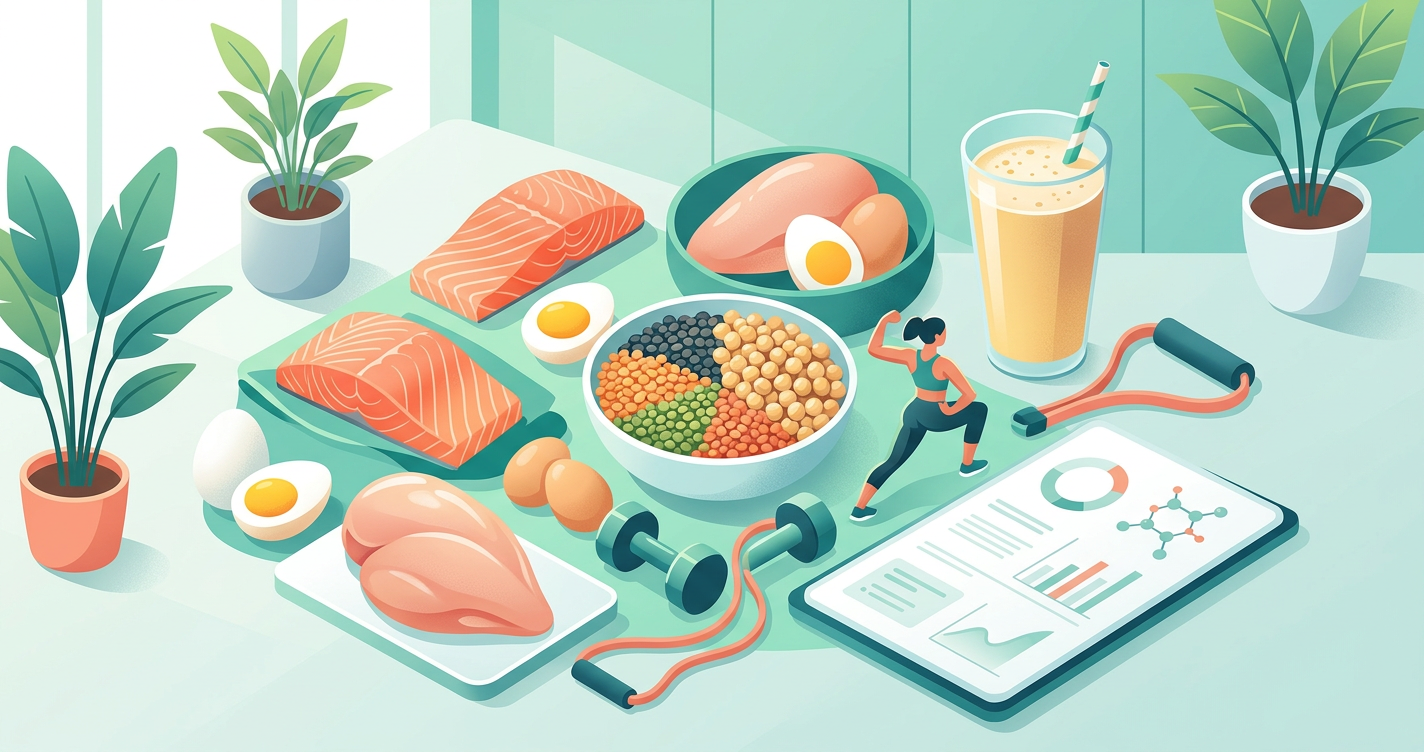
Unlock Your Fat Loss Potential with Protein
Embarking on a fat loss journey can feel like navigating a complex maze, with countless diets and strategies promising quick fixes. But what if one key nutrient held the power to simplify your path, boost your metabolism, and keep you feeling satisfied? Enter protein – often hailed as the MVP (Most Valuable Player) in the world of sustainable fat loss. It's not just for bodybuilders; understanding and optimizing your protein intake is a game-changer for anyone looking to shed excess body fat, preserve muscle, and feel their best.
This isn't about deprivation or extreme measures. It’s about smart, evidence-based nutrition that works with your body, not against it. We'll dive deep into why protein is so crucial for achieving your fat loss goals, how much you truly need, the best sources to fuel your body, and practical strategies to seamlessly integrate more protein into your daily life. Get ready to discover how this powerhouse nutrient can help you build a leaner, stronger, and more vibrant you! this excellent wellness product
Why Protein is Your Fat Loss MVP
Protein isn't just a building block for muscles; it's a metabolic marvel that plays multiple critical roles in the fat loss process. Let's break down the science-backed reasons why protein should be at the forefront of your diet when you're aiming to lose weight with protein.
The Satiety Secret: Feeling Fuller, Longer
One of the biggest challenges in any fat loss diet is managing hunger and cravings. This is where protein shines! Compared to carbohydrates and fats, protein has the highest satiety factor. This means it helps you feel fuller and more satisfied for longer periods, naturally reducing your overall calorie intake without feeling deprived. Imagine fewer urges to snack between meals and an easier time sticking to your calorie goals – that's the power of protein.
The Thermic Effect: Burning More Calories Just by Eating
Did you know that your body burns calories just to digest, absorb, and process the food you eat? This is known as the Thermic Effect of Food (TEF). Protein has a significantly higher TEF than carbs or fats. Roughly 20-30% of the calories from protein are burned during digestion, compared to 5-10% for carbs and 0-3% for fats. This means that by choosing protein-rich foods, you're essentially boosting your metabolism and burning more calories passively, simply by eating!
Muscle Matters: Protecting Your Metabolism
When you're in a calorie deficit to lose fat, there's always a risk of losing valuable muscle mass along with fat. This is detrimental because muscle is metabolically active, meaning it burns more calories at rest than fat does. A higher protein intake helps to signal your body to preserve muscle tissue, even as you're losing weight. This is crucial for maintaining a healthy metabolism and ensuring that the weight you lose is primarily fat, leading to a leaner body composition and more sustainable results.
How Much Protein Do You Really Need for Fat Loss?
While the Recommended Dietary Allowance (RDA) for protein is 0.8 grams per kilogram of body weight, this is a general guideline for preventing deficiency, not necessarily for optimal fat loss or muscle preservation. For individuals actively pursuing high protein diet fat loss, research suggests a higher intake is beneficial.
A good starting point for fat loss is typically between 1.6 to 2.2 grams of protein per kilogram of body weight per day. If you're very active or have a significant amount of muscle mass, you might even benefit from slightly higher amounts. For example:
- If you weigh 70 kg (approx. 154 lbs), aiming for 1.6-2.2 g/kg means 112-154 grams of protein per day.
- For someone weighing 180 lbs (approx. 82 kg), this would translate to about 131-180 grams daily.
Don't get bogged down by exact numbers; focus on consistently hitting a higher protein target. Spreading this intake throughout the day is also key for maximizing its benefits.
Protein Power-Ups: Best Sources for Your Diet
Variety is the spice of life, and it's also important for getting a full spectrum of amino acids and nutrients. Here are some excellent protein sources for weight loss:
Animal-Based Protein Sources
- Lean Meats: Chicken breast, turkey, lean beef (sirloin, round), pork loin. These are complete proteins, meaning they contain all nine essential amino acids your body needs.
- Fish and Seafood: Salmon, tuna, cod, shrimp. Rich in protein and often provide healthy omega-3 fatty acids.
- Eggs: A versatile and affordable complete protein source. Don't skip the yolk – it's packed with nutrients!
- Dairy: Greek yogurt, cottage cheese, milk. Excellent sources of casein and whey protein, known for their satiety benefits.
Plant-Based Protein Sources
- Legumes: Lentils, chickpeas, black beans. Great fiber content alongside protein.
- Tofu and Tempeh: Versatile soy products that absorb flavors beautifully.
- Edamame: A complete plant protein, great for snacks.
- Quinoa: One of the few complete plant proteins, excellent as a grain substitute.
- Nuts and Seeds: Almonds, peanuts, chia seeds, flax seeds, pumpkin seeds. While higher in fat, they offer a good protein boost and healthy fats.
- Protein Powders: Whey, casein, soy, pea, or rice protein powders can be convenient supplements to meet your daily protein targets, especially post-workout or for busy mornings.
Strategize Your Protein Intake: Timing and Distribution
It's not just about how much protein you eat, but also when and how you distribute it. Aim to include a good source of protein at every meal and snack throughout the day. This consistent intake helps to:
- Maintain muscle protein synthesis: Keeping your body in an anabolic (muscle-building/preserving) state.
- Control hunger: Steady protein intake prevents drastic dips in blood sugar and subsequent cravings.
- Optimize satiety: Spreading protein evenly helps you feel fuller and more satisfied all day long.
Try to get 20-40 grams of protein per main meal and 10-20 grams for snacks. For example, start your day with Greek yogurt and berries, have a lean chicken salad for lunch, a handful of almonds as a snack, and salmon with vegetables for dinner.
Beyond the Plate: Integrating Protein with a Holistic Lifestyle
While protein is a powerful tool, it works best as part of a comprehensive, holistic approach to fat loss. Remember to:
- Prioritize Strength Training: Lifting weights is crucial for building and preserving muscle mass, which works synergistically with high protein intake.
- Stay Hydrated: Water is essential for all bodily functions, including metabolism and satiety.
- Get Enough Sleep: Poor sleep can disrupt hormones that regulate hunger and fat storage, making fat loss much harder.
- Manage Stress: Chronic stress can lead to increased cortisol, which can hinder fat loss efforts.
Common Protein Myths Debunked
Let's clear up some common misconceptions about protein:
- Myth: Too much protein is bad for your kidneys.
Fact: For healthy individuals with normal kidney function, there is no strong evidence that a high protein intake (even up to 2.2 g/kg/day or more) causes kidney damage. If you have pre-existing kidney conditions, always consult your doctor.
- Myth: Protein makes you bulky.
Fact: Protein is essential for muscle growth, but getting 'bulky' requires a significant calorie surplus, intense training, and often specific hormonal profiles. Simply eating more protein won't automatically make you look like a bodybuilder.
- Myth: Protein powder is unnatural/unnecessary.
Fact: Protein powders are simply concentrated sources of protein derived from whole foods (like milk or peas). They are a convenient and effective way to meet your protein targets, especially when whole food options aren't readily available or you have higher needs.
Your Action Plan: Making Protein Work for You
Ready to harness the power of protein for your sustainable fat loss goals? Here are some actionable steps:
- Calculate Your Target: Use the 1.6-2.2 g/kg range to estimate your daily protein goal.
- Track for a Few Days: Use an app or food diary to see how much protein you're currently consuming. This will give you a baseline.
- Prioritize Protein at Every Meal: Make protein the star of your plate. Think about your protein source first, then add vegetables, healthy fats, and complex carbs.
- Smart Snacking: Opt for protein-rich snacks like Greek yogurt, cottage cheese, a hard-boiled egg, or a handful of nuts.
- Prep Ahead: Cook lean protein sources in advance (e.g., grilled chicken, roasted chickpeas) to make meal prep easier.
- Experiment with Recipes: Explore new recipes that highlight protein-rich ingredients.
Embrace Protein for a Stronger, Healthier You
Integrating more protein into your diet is one of the most effective and sustainable strategies for fat loss. By boosting satiety, increasing calorie expenditure through digestion, and preserving precious muscle mass, protein empowers your body to become a more efficient fat-burning machine. It's not a magic bullet, but it's an incredibly powerful tool that, when combined with smart food choices, adequate hydration, regular exercise, and good sleep, will pave your way to a leaner, stronger, and healthier you. Start today, and feel the difference!