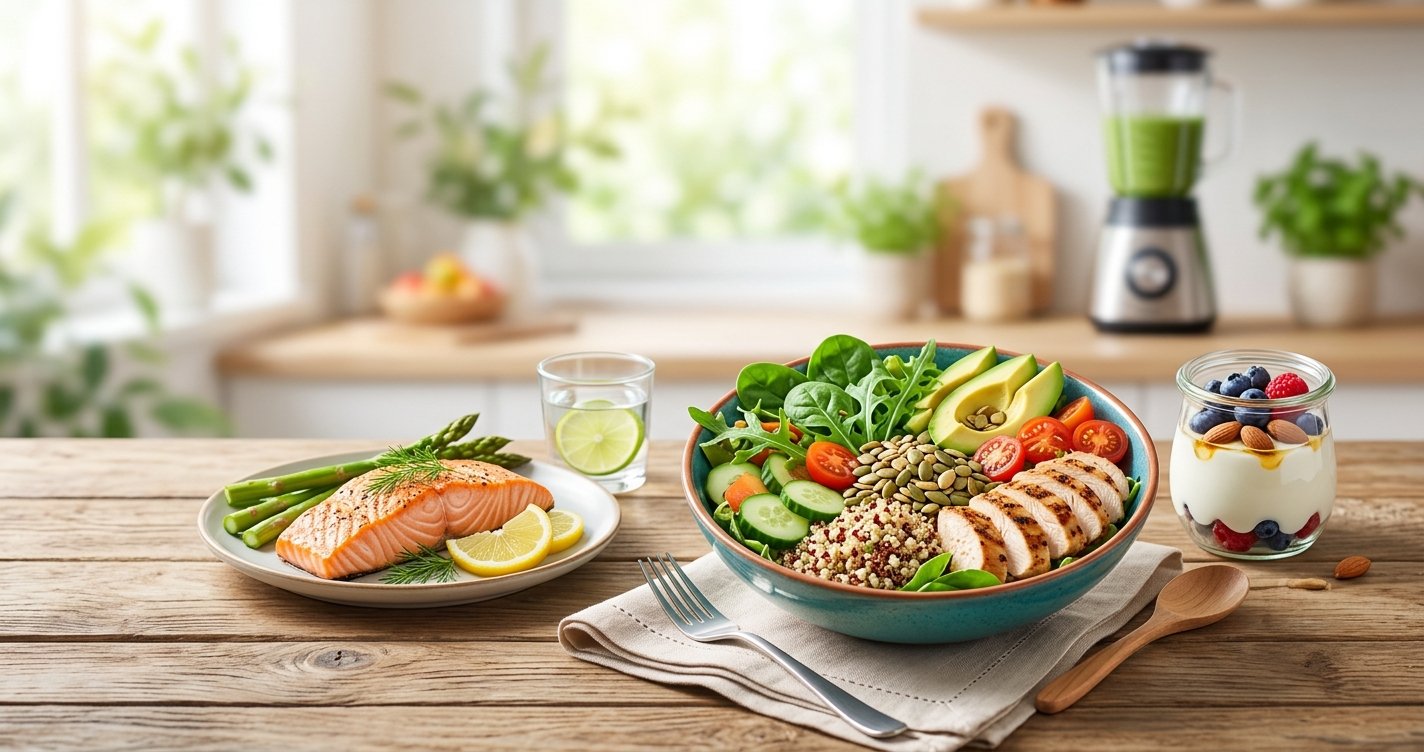
Are you on a fat loss journey that feels like an uphill battle? Do you find yourself constantly battling hunger pangs, struggling with cravings, or hitting frustrating plateaus? If so, you're not alone. The world of fat loss can often feel overwhelming, filled with conflicting advice and temporary fixes. But what if there was one powerful, science-backed nutrient that could significantly simplify your efforts, help you feel fuller for longer, preserve your precious muscle, and even boost your metabolism? Enter protein – your ultimate ally in achieving sustainable fat loss.
Often celebrated by bodybuilders, protein's incredible benefits extend far beyond just building biceps. For anyone looking to shed excess body fat effectively and sustainably, protein is a game-changer. It's not just about 'eating more chicken'; it's about understanding why protein is so effective and how to strategically incorporate it into your daily life. This comprehensive guide will break down the science, debunk common myths, and provide practical strategies to help you harness the power of protein for lasting fat loss. this excellent wellness product
Why Protein is Your Secret Weapon for Fat Loss
Protein isn't just fuel; it's a strategic nutrient with unique properties that make it incredibly effective for fat loss. Let's dive into the core reasons why it deserves a prime spot in your diet.
Satiety: The Fullness Factor
One of the biggest challenges in a calorie deficit is managing hunger. This is where protein truly shines. Protein has a remarkable ability to keep you feeling full and satisfied for longer compared to carbohydrates or fats. This isn't just a feeling; it's backed by science. Protein influences the release of satiety hormones like PYY and GLP-1, which send signals to your brain that you're full, naturally reducing your overall calorie intake throughout the day. Fewer hunger pangs mean less temptation to snack on high-calorie, low-nutrient foods, making it easier to stick to your fat loss goals without feeling deprived.
Thermic Effect of Food (TEF): Burning More Calories
Did you know that your body burns calories just to digest, absorb, and metabolize the food you eat? This is known as the Thermic Effect of Food (TEF), and protein has the highest TEF among all macronutrients. While carbohydrates have a TEF of 5-10% and fats have 0-3%, protein boasts a TEF of 20-30%. This means that for every 100 calories of protein you consume, your body uses 20-30 of those calories just to process it. While not a massive calorie burner on its own, this 'protein advantage' adds up over time, contributing to a slightly higher daily calorie expenditure and giving you a metabolic edge in your fat loss journey.
Muscle Preservation: Protecting Your Metabolism
When you're in a calorie deficit, your body doesn't just burn fat; it can also start breaking down muscle tissue for energy. Losing muscle is detrimental to fat loss because muscle is metabolically active, meaning it burns more calories at rest than fat does. A higher protein intake, especially when combined with resistance training, helps to signal your body to preserve muscle mass while still shedding fat. By protecting your muscle, you maintain a higher resting metabolic rate, making it easier to burn calories even when you're not exercising and preventing the dreaded metabolic slowdown often associated with dieting.
How Much Protein Do You Really Need?
There's no one-size-fits-all answer, but for fat loss, the general recommendation for protein intake is often higher than what most people typically consume. While the Recommended Dietary Allowance (RDA) for protein is 0.8 grams per kilogram of body weight, this is merely to prevent deficiency, not necessarily to optimize body composition or fat loss.
General Guidelines vs. Individual Needs
For individuals actively pursuing fat loss, especially those incorporating exercise, a common recommendation is to aim for 1.6 to 2.2 grams of protein per kilogram (or 0.7 to 1.0 grams per pound) of your target body weight. For example, if your target weight is 70 kg (154 lbs), you'd aim for roughly 112-154 grams of protein per day.
- Activity Level: If you're very active, especially with strength training, your protein needs will be on the higher end of the spectrum.
- Body Composition Goals: The primary goal is fat loss while preserving muscle, so a higher intake is beneficial.
- Satiety Needs: If you struggle with hunger, leaning towards the higher end can be very helpful.
It's also beneficial to distribute your protein intake fairly evenly throughout the day (e.g., 20-40 grams per meal) rather than consuming it all in one sitting. This helps optimize muscle protein synthesis and keeps you feeling full consistently.
Smart Protein Choices: Fueling Your Body Right
Knowing you need more protein is one thing; knowing what to eat is another. Luckily, there's a vast array of delicious and nutritious protein sources to choose from.
Lean Meats & Poultry
- Chicken Breast & Turkey: Excellent sources of lean protein, versatile for various meals.
- Lean Beef (Sirloin, Tenderloin): Rich in iron and B vitamins, choose leaner cuts.
- Fish (Salmon, Tuna, Cod): Salmon and tuna offer healthy omega-3 fatty acids in addition to protein.
Dairy & Eggs
- Eggs: A complete protein powerhouse, incredibly versatile, and inexpensive.
- Greek Yogurt: Packed with protein and probiotics, great for snacks or breakfast.
- Cottage Cheese: Another high-protein dairy option, often overlooked.
- Low-Fat Milk/Kefir: Good for adding protein to smoothies or as a beverage.
Plant-Based Powerhouses
- Legumes (Lentils, Beans, Chickpeas): Fiber-rich and protein-packed, great for plant-based diets.
- Tofu & Tempeh: Versatile soy-based options that absorb flavors well.
- Edamame: A complete plant protein, excellent for snacking.
- Quinoa: One of the few complete plant proteins, a great alternative to rice.
- Nuts & Seeds: While higher in fat, they offer a good protein boost (e.g., almonds, chia seeds, pumpkin seeds).
Protein Supplements (and when they're useful)
While whole foods should always be your primary source of protein, supplements like whey, casein, or plant-based protein powders can be incredibly convenient, especially for busy individuals or to quickly boost intake post-workout or between meals. They are not magic pills for fat loss but are tools to help you reach your daily protein targets efficiently.
Practical Strategies to Boost Your Protein Intake
Incorporating more protein into your diet doesn't have to be complicated. Here are some simple, actionable tips:
- Start Your Day Strong: Make breakfast protein-rich. Think eggs, Greek yogurt, cottage cheese, or a protein smoothie instead of sugary cereals or pastries.
- Prioritize Protein at Every Meal: Aim to have a lean protein source as the centerpiece of your lunch and dinner plates.
- Smart Snacking: Ditch the chips and cookies for protein-rich snacks like hard-boiled eggs, a handful of almonds, string cheese, or a protein bar.
- Meal Prep for Success: Cook larger batches of chicken, fish, or lentils at the beginning of the week so you have quick protein options readily available.
- Don't Forget the Sides: Add beans to your salads, edamame to your stir-fries, or sprinkle seeds on your oatmeal.
- Use Protein Powder Wisely: Blend it into smoothies, mix it into oatmeal, or even bake with it for a convenient protein boost.
Debunking Protein Myths
Despite its benefits, protein often gets a bad rap due to misinformation. Let's clear up some common misconceptions.
"Too Much Protein is Bad for Your Kidneys"
This is a persistent myth. For healthy individuals with normal kidney function, there is no scientific evidence to suggest that a high-protein diet causes kidney damage. Studies show that even very high protein intakes (up to 3.4 g/kg body weight) are safe for healthy individuals. If you have pre-existing kidney disease, then a high protein intake might be contraindicated, and you should always consult your doctor or a registered dietitian.
"Protein Makes You Bulky"
Many women, in particular, worry that increasing protein will lead to an overly muscular or 'bulky' physique. This is largely untrue. Building significant muscle mass requires a very specific training regimen, often a caloric surplus, and specific hormonal profiles (like higher testosterone) that are typically not present in women. Protein helps build and repair muscle, which is fantastic for a lean, toned look, but it won't automatically make you bulky without intentional effort and genetic predisposition.
Beyond the Plate: Protein's Role in a Holistic Approach
While protein is a powerful tool, it's important to remember that it's part of a larger picture. For truly sustainable fat loss, protein works best when integrated into a holistic approach that includes:
- Calorie Awareness: Protein helps with satiety, but you still need to be in a modest calorie deficit to lose fat.
- Resistance Training: Lifting weights is crucial for building and preserving muscle, amplifying protein's benefits.
- Hydration: Drinking enough water supports metabolism and overall health.
- Adequate Sleep: Poor sleep can disrupt hormones that regulate appetite and fat storage.
- Stress Management: Chronic stress can lead to increased cortisol levels, potentially hindering fat loss.
Embrace the Power of Protein for Lasting Results
Embarking on a fat loss journey can be challenging, but understanding and utilizing the unique benefits of protein can make it significantly smoother and more sustainable. By prioritizing protein, you're not just counting macros; you're leveraging your body's natural mechanisms to feel fuller, burn more calories, and protect your metabolism. It's a fundamental shift that empowers you to achieve your body composition goals without constant hunger or extreme deprivation.
Start small, make conscious choices to include more high-quality protein in your meals and snacks, and observe the positive changes in your energy levels, satiety, and overall progress. Remember, consistency is key, and with protein as your steadfast ally, you're well-equipped to unlock your fat loss potential and build a healthier, stronger you. Here's to nourishing your body and achieving sustainable success!