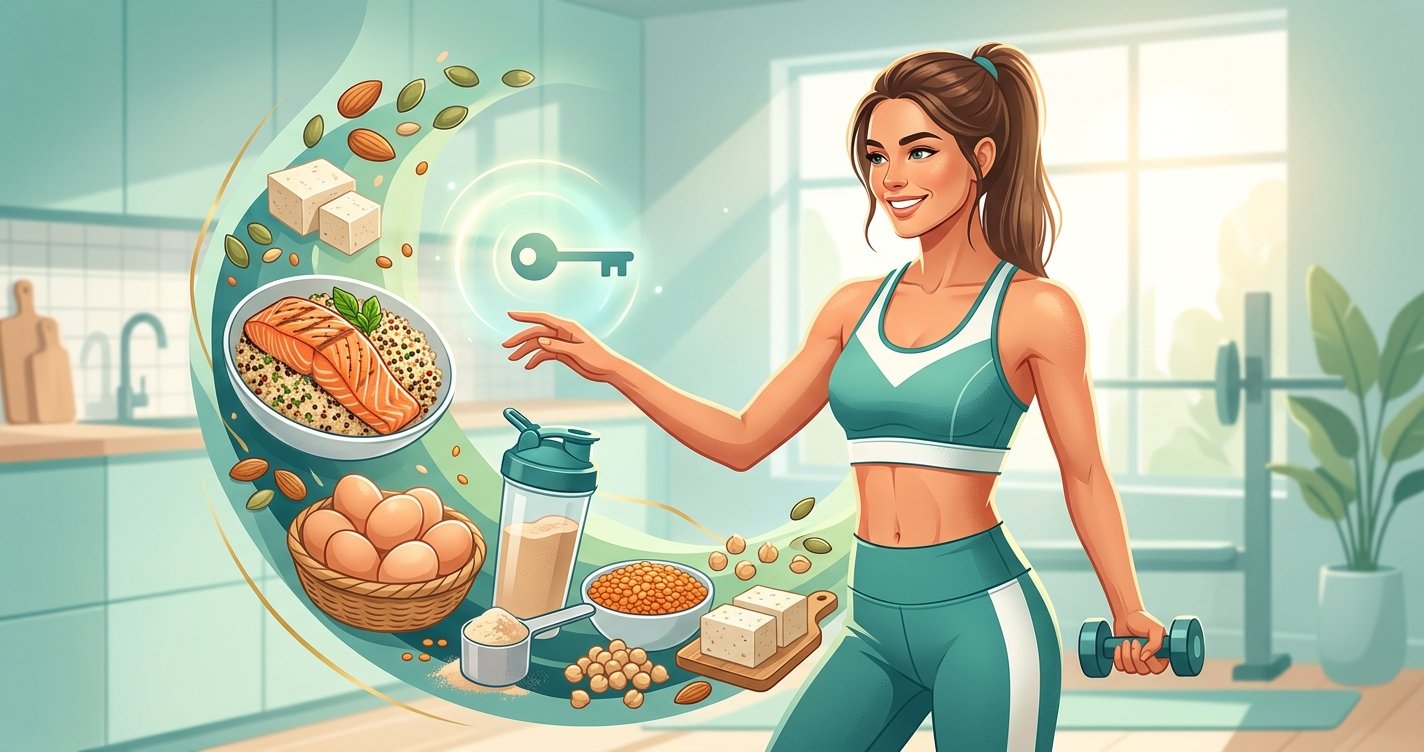
Are you on a journey to shed unwanted body fat, feel more energetic, and build a stronger, healthier you? If so, you've likely heard a lot about various diets and exercise routines. But what if we told you there's one macronutrient that acts as a true secret weapon in your fat loss arsenal? Enter protein – your ultimate ally in building a leaner physique, maintaining muscle, and keeping hunger at bay. It's not just for bodybuilders; it's for anyone serious about sustainable fat loss.
In this comprehensive guide, we'll dive deep into the science-backed reasons why prioritizing protein is a game-changer for fat loss. We'll explore how much you really need, the best sources, and practical strategies to seamlessly integrate more protein into your daily life. Get ready to transform your body and your relationship with food, all while feeling full and satisfied! this excellent wellness product
Why Protein is Your Best Friend for Fat Loss
Protein isn't just a building block for muscles; it's a metabolic powerhouse that plays several critical roles in helping you lose fat and keep it off. Let's break down the key mechanisms:
The Satiety Factor: Feeling Fuller, Longer
One of the biggest challenges in any fat loss journey is managing hunger. Cravings and persistent hunger can derail even the most determined efforts. This is where protein shines! Protein is renowned for its ability to promote satiety, meaning it helps you feel full and satisfied for longer periods compared to carbohydrates or fats. This isn't just anecdotal; science confirms it.
When you consume protein, it triggers the release of specific hormones in your gut, such as GLP-1 and PYY, which signal to your brain that you're full. It also helps suppress ghrelin, the 'hunger hormone.' By keeping you satisfied, protein naturally reduces your overall calorie intake, making it easier to stick to a calorie deficit without feeling deprived.
The Thermic Effect of Food (TEF): Burning More Calories Just by Eating!
Did you know that your body expends energy just to digest, absorb, and metabolize the food you eat? This is known as the Thermic Effect of Food (TEF). And guess what? Protein has a significantly higher TEF than both carbohydrates and fats. While fats have a TEF of 0-3% and carbs 5-10%, protein boasts a TEF of 20-30%!
This means that for every 100 calories of protein you consume, your body uses 20-30 of those calories just to process it. In simple terms, eating protein literally burns more calories. While it's not a magic bullet for extreme calorie burning, this metabolic advantage adds up over time, contributing to a greater overall calorie expenditure and making fat loss more efficient.
Preserving Precious Muscle Mass
When you're in a calorie deficit to lose fat, your body doesn't just burn fat; it can also start to break down muscle tissue for energy. Losing muscle is detrimental to your fat loss goals because muscle is metabolically active – it burns more calories at rest than fat does. Less muscle means a slower metabolism, making it harder to lose weight and easier to regain it.
A high protein intake is crucial for preserving lean muscle mass during a fat loss phase. Protein provides the amino acids necessary for muscle repair and synthesis, signaling to your body to hold onto your hard-earned muscle even when calories are restricted. This ensures that the weight you're losing is primarily fat, not muscle, keeping your metabolism revved up and your body composition improving.
How Much Protein Do You Really Need for Optimal Fat Loss?
The recommended daily allowance (RDA) for protein is 0.8 grams per kilogram of body weight, but this is merely the minimum to prevent deficiency. For active individuals aiming for fat loss and muscle preservation, current research suggests a significantly higher intake.
Most experts recommend aiming for **1.6 to 2.2 grams of protein per kilogram of body weight (or 0.7 to 1.0 grams per pound of body weight)**. For example, if you weigh 70 kg (about 154 lbs), you'd be looking at 112-154 grams of protein per day. This range has been consistently shown to be effective for promoting satiety, supporting muscle retention, and enhancing fat loss.
It's important to distribute this protein intake throughout your day, rather than consuming it all in one sitting. Aim for roughly 20-40 grams of protein per meal and snack to maximize muscle protein synthesis and satiety.
Protein Power-Up: Smart Strategies to Boost Your Intake
Now that you know why protein is so important, let's talk about how to easily incorporate more into your daily diet without feeling overwhelmed.
Prioritize Protein at Every Meal
- Breakfast: Ditch the sugary cereals. Opt for Greek yogurt with berries, eggs (scrambled, hard-boiled, or in an omelet), cottage cheese, or a protein smoothie.
- Lunch & Dinner: Build your plate around a lean protein source. Think chicken breast, fish, lean beef, turkey, tofu, or lentils. Pair it with plenty of vegetables and a modest portion of complex carbohydrates.
- Snacks: Instead of chips or cookies, reach for protein-rich options.
Smart Snacking Choices
Snacks are a perfect opportunity to boost your protein intake and keep hunger at bay between meals.
- Hard-boiled eggs
- A handful of almonds or walnuts
- Greek yogurt or cottage cheese
- Protein bar (choose wisely, look for low sugar)
- Edamame
- Jerky (low sodium)
Don't Forget Plant-Based Power!
You don't have to be a meat-eater to get enough protein. Plant-based sources are abundant and offer additional fiber and nutrients.
- Lentils and beans (black beans, chickpeas, kidney beans)
- Tofu and tempeh
- Quinoa
- Edamame
- Seitan
- Nuts and seeds (chia seeds, flax seeds, hemp seeds)
- Plant-based protein powders (pea, rice, soy)
The Role of Protein Supplements
While whole food sources should always be your priority, protein supplements like whey, casein, or plant-based powders can be incredibly convenient, especially if you have high protein targets or are short on time. They are excellent for post-workout recovery or as a quick meal replacement when whole food isn't an option. Remember, they are meant to supplement your diet, not replace nutritious meals.
Common Protein Myths Debunked
Despite its benefits, protein often gets a bad rap due to persistent myths. Let's clear the air:
Myth 1: Too Much Protein is Bad for Your Kidneys
This is a common concern, but for healthy individuals with normal kidney function, there is extensive research showing that a high protein intake (even up to 2.2g/kg or more) does not harm the kidneys. The concern typically arises for individuals with pre-existing kidney disease, where protein intake may need to be moderated under medical supervision. If you have healthy kidneys, don't fear protein!
Myth 2: Protein Will Make You Bulky
This myth particularly deters women from increasing their protein intake. Rest assured, consuming more protein will not automatically make you bulky. Building significant muscle mass requires specific training, a calorie surplus, and often, genetic predispositions. For most people, a higher protein intake, combined with resistance training, will lead to a lean, toned physique, not excessive bulk.
Myth 3: All Protein is Created Equal
While all protein provides amino acids, their quality can differ. 'Complete proteins' contain all nine essential amino acids that your body cannot produce on its own. Animal sources (meat, poultry, fish, eggs, dairy) are typically complete proteins. Many plant-based proteins are 'incomplete,' meaning they lack one or more essential amino acids. However, by combining different plant sources throughout the day (e.g., rice and beans), you can easily get all essential amino acids. Focus on a variety of protein sources to ensure a comprehensive amino acid profile.
Putting It All Together: Your Protein-Packed Day
Here’s an example of how you might structure a day focused on high protein for fat loss:
- Breakfast: Greek yogurt (1 cup) with a scoop of protein powder, a handful of berries, and a sprinkle of chia seeds.
- Lunch: Large salad with grilled chicken breast (150g), mixed greens, bell peppers, cucumber, and a light vinaigrette.
- Snack: Cottage cheese (1 cup) with cherry tomatoes and black pepper.
- Dinner: Baked salmon fillet (150g) with steamed broccoli and a small serving of quinoa.
- Optional Pre-Bed Snack: A small handful of almonds or a protein shake.
This sample day provides a variety of protein sources, ensuring you meet your targets while enjoying delicious and satisfying meals.
Start Your Protein-Powered Transformation Today!
Embracing protein as a cornerstone of your fat loss strategy is one of the most effective, sustainable, and satisfying ways to achieve your goals. By leveraging its power for satiety, metabolic boost, and muscle preservation, you're not just losing weight; you're building a stronger, healthier, and more resilient body.
Remember, consistency is key. Start by making small, sustainable changes. Focus on adding a protein source to every meal and snack. Experiment with different foods and recipes to find what you enjoy most. Your journey to a leaner, more vibrant you begins with smart choices, and prioritizing protein is undoubtedly one of the smartest you can make. You've got this!