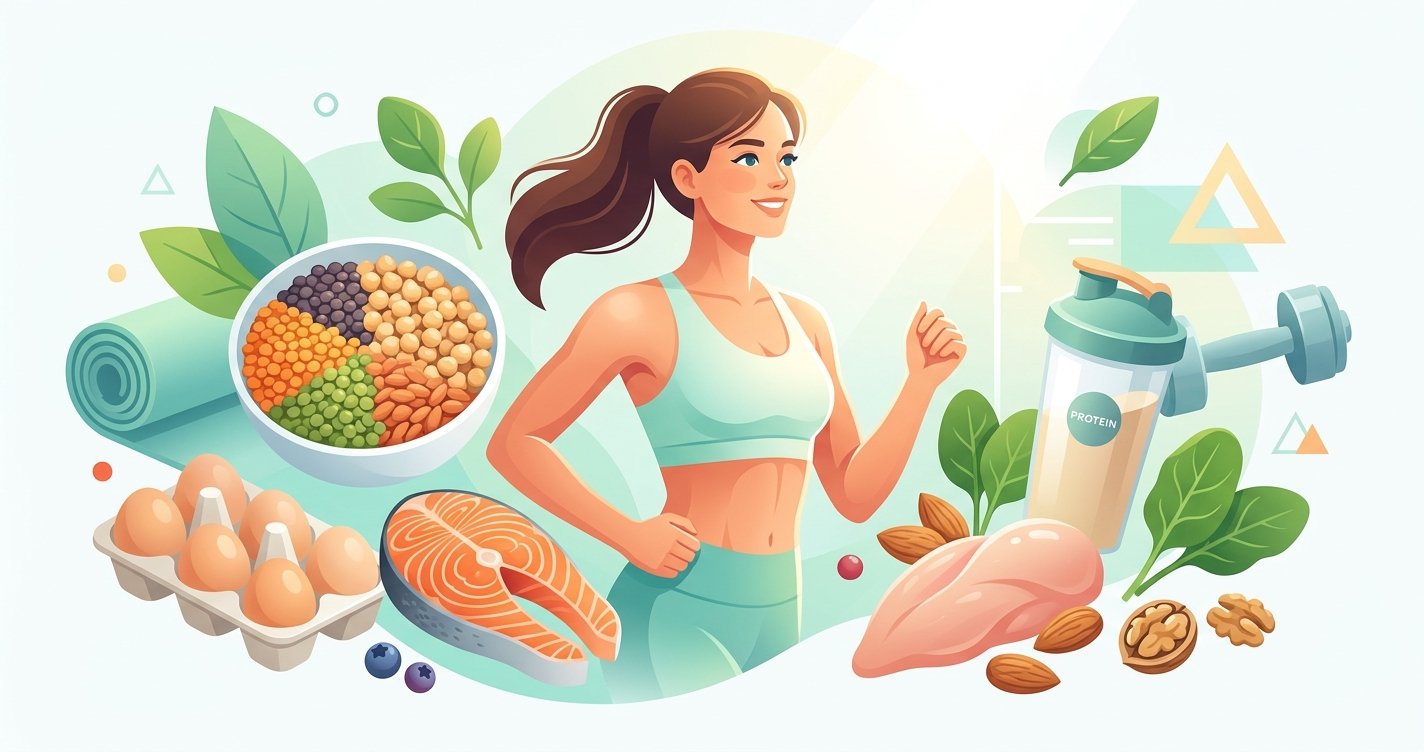
Unlock Your Fat Loss Potential: The Ultimate Guide to Protein for a Leaner You
Hey there, fitness friend! Are you on a journey to shed some unwanted body fat, feel stronger, and boost your overall well-being? If so, you've probably heard a lot of advice floating around. But what if we told you there's one nutritional powerhouse that stands head and shoulders above the rest when it comes to sustainable fat loss and preserving that precious muscle? You guessed it: protein!
Forget restrictive diets and endless cardio for a moment. While those have their place, understanding and optimizing your protein intake is a game-changer that often gets overlooked in the pursuit of quick fixes. This isn't just about building biceps; it's about transforming your body composition, boosting your metabolism, and keeping those hunger pangs at bay. Ready to dive deep into the science and practical strategies to make protein your best ally in your fat loss journey? Let’s get started! this excellent wellness product
Why Protein is Your Fat Loss Best Friend: The Science-Backed Benefits
Protein isn't just a nutrient; it's a strategic weapon in your fat loss arsenal. Its benefits extend far beyond muscle repair, playing crucial roles in satiety, metabolism, and maintaining lean mass.
1. The Satiety Superstar: Keeping Hunger at Bay
One of the biggest hurdles in any fat loss journey is managing hunger. Cravings and persistent rumbling stomachs can derail even the most determined efforts. This is where protein shines! Studies consistently show that protein is the most satiating macronutrient, meaning it helps you feel fuller for longer compared to carbohydrates or fats. When you consume protein, it triggers the release of hormones like GLP-1 and CCK, which signal to your brain that you’re satisfied. This natural appetite suppression means you’re less likely to overeat at subsequent meals or snack unnecessarily, making caloric deficit much easier to achieve and sustain.
2. The Thermic Effect of Food (TEF): Burning Calories Just by Eating!
Here’s a cool fact: your body actually burns calories just to digest, absorb, and metabolize the food you eat. This is known as the Thermic Effect of Food (TEF). And guess which macronutrient has the highest TEF? You got it – protein! Approximately 20-30% of the calories from protein are burned off during digestion, compared to 5-10% for carbs and 0-3% for fats. What does this mean for your fat loss? It means that by simply choosing protein-rich foods, you're giving your metabolism a small, but significant, boost throughout the day. Over time, these small boosts add up!
3. Muscle Preservation: Protecting Your Metabolic Engine
When you're in a caloric deficit, your body doesn’t always differentiate between fat and muscle. There's a risk of losing valuable muscle mass along with fat. Why is this a problem? Because muscle is metabolically active tissue – it burns more calories at rest than fat does. Losing muscle can slow down your metabolism, making it harder to lose fat and easier to regain weight in the future. A higher protein intake, especially when combined with strength training, provides the essential amino acids your body needs to repair and build muscle, effectively signaling to your body to hold onto that lean mass while still shedding fat. This is key for improving your body composition and achieving a toned physique.
How Much Protein Do You Actually Need for Optimal Fat Loss?
This is a common question, and the answer isn't a one-size-fits-all, but there are clear evidence-based guidelines.
- General Guidelines: For active individuals looking to lose fat and preserve muscle, a good starting point is typically 1.6 to 2.2 grams of protein per kilogram of body weight (or 0.7 to 1.0 grams per pound of body weight). For example, a 70kg (154lb) individual might aim for 112-154 grams of protein per day.
- Higher for Aggressive Deficits: If you're in a more aggressive caloric deficit (eating significantly fewer calories than you burn), increasing your protein intake towards the higher end of this range, or even slightly above, can be particularly beneficial for muscle preservation and satiety.
- Consider Your Activity Level: The more active you are, especially with strength training, the greater your protein needs will be to support recovery and muscle synthesis.
- Age Matters: As we age, our bodies become less efficient at utilizing protein, a phenomenon called 'anabolic resistance'. Older adults may benefit from slightly higher protein intakes to counteract muscle loss (sarcopenia).
It's worth noting that concerns about high protein intake damaging kidneys are largely unfounded for healthy individuals. If you have pre-existing kidney disease, always consult with your doctor before making significant dietary changes.
Optimizing Your Protein Intake: Practical Strategies for Success
Knowing you need more protein is one thing; consistently incorporating it into your daily diet is another. Here are some actionable tips:
1. Spread Your Protein Throughout the Day
Instead of front-loading or back-loading your protein, aim to distribute it relatively evenly across your meals and snacks. This helps maximize muscle protein synthesis throughout the day and keeps you feeling fuller for longer. Try to hit 20-40 grams of protein per meal, depending on your overall daily target.
2. Prioritize Lean Protein Sources
Focus on whole, unprocessed sources of protein. These are typically nutrient-dense and provide essential amino acids without excessive unhealthy fats or added sugars.
- Animal Sources: Lean meats (chicken breast, turkey, lean beef), fish (salmon, tuna, cod), eggs, Greek yogurt, cottage cheese.
- Plant Sources: Lentils, beans, chickpeas, tofu, tempeh, edamame, quinoa, seitan, protein pasta, nuts, and seeds (though these also contain significant fats).
3. Make Protein Your Meal Foundation
When planning your meals, start with your protein source. Build the rest of your meal around it. For breakfast, think eggs, Greek yogurt, or a protein smoothie. For lunch and dinner, make sure a significant portion of your plate is lean protein.
4. Smart Snacking: Protein to the Rescue
Instead of reaching for sugary or high-carb snacks when hunger strikes, opt for protein-rich options. Hard-boiled eggs, a handful of almonds, a serving of cottage cheese, or a small protein shake can be incredibly effective at curbing appetite and keeping you on track.
5. Consider Protein Supplements (When Appropriate)
While whole foods should always be your primary source of nutrition, protein supplements like whey, casein, or plant-based protein powders can be a convenient and effective way to meet your daily protein targets, especially if you have a busy lifestyle, struggle with appetite, or have very high protein needs. They are a supplement, not a replacement for a balanced diet.
Beyond the Scale: The Body Composition Advantage
One of the most exciting aspects of optimizing protein for fat loss is what happens beyond the number on the scale. While weight loss is a good indicator, true transformation lies in improving your body composition – reducing fat mass while maintaining or even increasing lean muscle mass.
When you prioritize protein, you're not just losing weight; you're actively shaping a more toned, stronger, and metabolically efficient body. You might find that the scale doesn't drop as dramatically as someone on a very low-protein, restrictive diet, but your clothes fit better, you feel more energized, and your reflection reveals a more defined physique. This is the power of focusing on fat loss and muscle preservation, rather than just 'weight loss' at any cost.
Common Pitfalls to Avoid on Your Protein Journey
Even with the best intentions, it's easy to stumble. Here are a few common mistakes to watch out for:
- Not Enough Protein: The most obvious pitfall! Many people underestimate how much protein they actually need, especially when trying to lose fat.
- Over-Reliance on Supplements: While useful, supplements shouldn't replace whole food sources. Aim for variety and nutrients that come from real food first.
- Ignoring Overall Diet Quality: Protein is crucial, but it's not the only thing. Ensure you're also getting adequate fiber from fruits and vegetables, healthy fats, and complex carbohydrates for overall health and energy.
- Forgetting Hydration: High protein intake can increase your body's need for water, so make sure you're staying well-hydrated throughout the day.
Putting It All Together: Your Action Plan for a Leaner You
Ready to put this knowledge into practice? Here’s a simple action plan:
- Calculate Your Target: Based on the guidelines, estimate your daily protein goal (e.g., 1.6-2.2g per kg body weight).
- Track for a Few Days: Use a food tracking app for a few days to get an idea of your current protein intake. This will highlight where you need to make changes.
- Incorporate Protein at Every Meal: Consciously add a lean protein source to breakfast, lunch, dinner, and any snacks.
- Experiment with Sources: Discover which protein sources you enjoy most to make adherence easier and more delicious.
- Pair with Strength Training: To truly maximize muscle preservation and even growth, combine your optimized protein intake with a consistent strength training routine.
Embrace the Power of Protein!
Optimizing your protein intake is a powerful, evidence-based strategy for achieving sustainable fat loss, preserving muscle, and transforming your body composition. It's not a magic bullet, but it's an incredibly effective tool that supports satiety, boosts metabolism, and helps you build a stronger, healthier you.
So, go ahead! Embrace protein as your ultimate ally. Fuel your body, satisfy your hunger, and watch as you unlock your true fat loss potential. Your leaner, stronger, and more energized self is waiting!