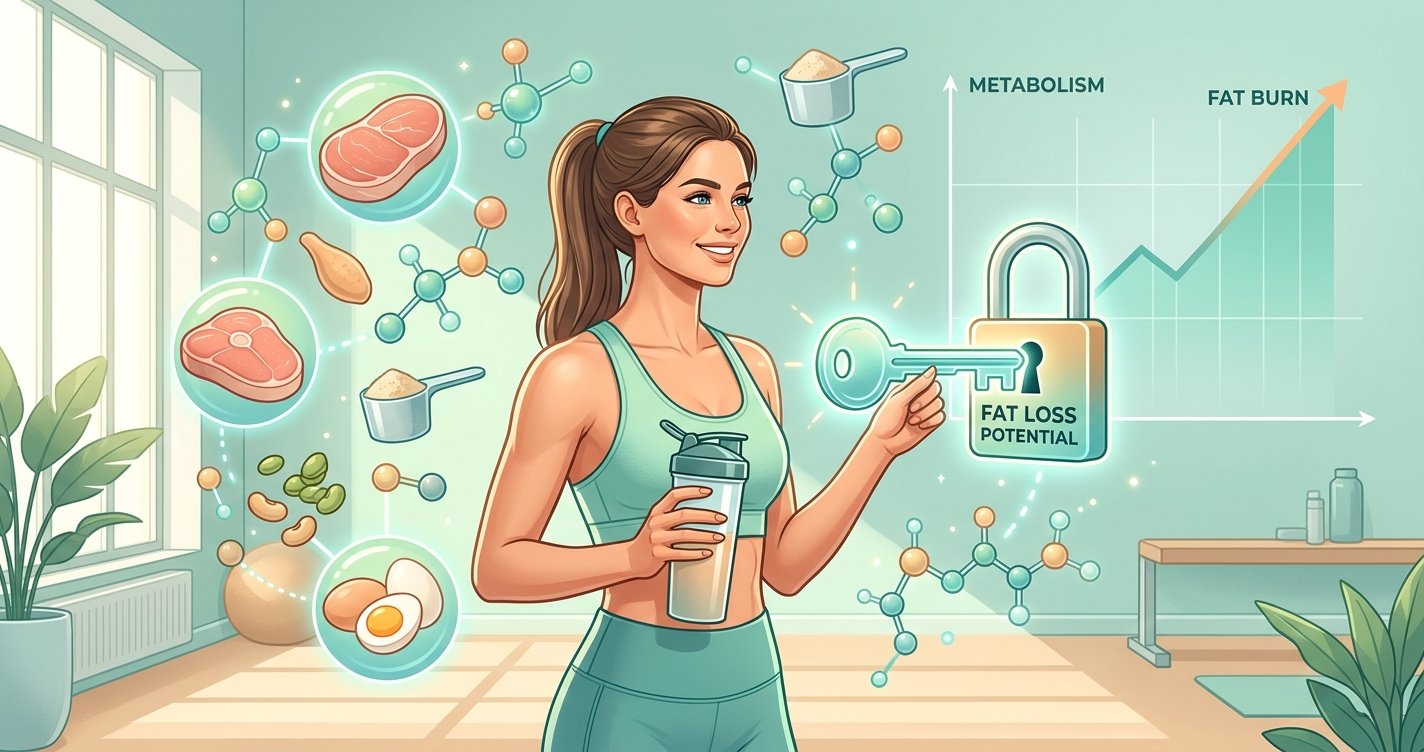
Struggling with fat loss can feel like an uphill battle, often leaving us searching for the 'magic bullet' solution. While countless diets and fads promise quick fixes, the truth is, sustainable fat loss hinges on smart, evidence-based strategies. One nutrient, often underestimated yet incredibly powerful, stands out as a true game-changer: protein. It's not just for bodybuilders; protein is your secret weapon for feeling fuller, preserving muscle, and boosting your metabolism on your journey to a leaner, healthier you.
In this comprehensive guide, we'll dive deep into why protein is so crucial for fat loss, explore the science behind its benefits, and provide practical, friendly advice on how to effectively incorporate more of this vital macronutrient into your daily routine. Get ready to transform your approach to fat loss, one protein-packed meal at a time! this excellent wellness product
Why Protein is Your Best Friend for Fat Loss
When it comes to shedding unwanted fat, protein isn't just a good idea – it's essential. Its unique properties directly impact key aspects of your body's fat-burning machinery. Unlike carbohydrates and fats, protein plays a multi-faceted role that helps you achieve and maintain a calorie deficit more easily, all while supporting a healthy body composition. Let's break down the core reasons why protein deserves a starring role in your fat loss strategy:
- Enhanced Satiety: Protein helps you feel fuller for longer, naturally reducing overall calorie intake.
- Higher Thermic Effect of Food (TEF): Your body burns more calories digesting protein compared to other macros.
- Muscle Preservation: Crucial for maintaining your metabolism during a calorie deficit.
The Satiety Secret: Feeling Fuller, Longer
One of the biggest challenges in fat loss is managing hunger and cravings. This is where protein truly shines. Protein has a profound impact on satiety, meaning it keeps you feeling full and satisfied for extended periods. This isn't just a feeling; it's backed by science.
When you consume protein, it triggers the release of hormones like GLP-1, PYY, and cholecystokinin (CCK), all of which signal fullness to your brain. Simultaneously, it helps suppress ghrelin, the 'hunger hormone.' The result? Fewer hunger pangs, reduced snacking, and a much easier time adhering to a calorie-controlled diet. Imagine feeling less deprived and more in control of your food choices – that's the power of protein at work!
The Thermic Effect of Food (TEF): Burning More Calories Just by Eating!
Did you know that your body expends energy just to digest, absorb, and metabolize the food you eat? This phenomenon is known as the Thermic Effect of Food (TEF), and protein has the highest TEF of all the macronutrients. Roughly 20-30% of the calories you consume from protein are burned off during its digestion and processing, compared to 5-10% for carbohydrates and just 0-3% for fats.
While this might seem like a small percentage, it adds up over the course of a day and week, contributing to a slight but significant increase in your overall daily calorie expenditure. It's like getting a mini-workout every time you eat protein-rich foods, giving you a metabolic edge in your fat loss journey without extra effort.
Muscle Preservation: The Key to a Higher Metabolism
When you're in a calorie deficit to lose fat, your body can sometimes break down muscle tissue for energy, especially if protein intake is insufficient. This is detrimental because muscle is metabolically active, meaning it burns more calories at rest than fat does. Losing muscle can slow down your metabolism, making fat loss harder in the long run and increasing the chances of weight regain.
Adequate protein intake is absolutely critical for preserving lean muscle mass while you're losing fat. Protein provides the amino acids necessary to repair and build muscle tissue. By safeguarding your muscle, you help maintain a higher resting metabolic rate, making your body a more efficient fat-burning machine even when you're not exercising. This is crucial for achieving a lean, toned physique, not just a lower number on the scale.
How Much Protein Do You Actually Need for Fat Loss?
The recommended dietary allowance (RDA) for protein is often cited as 0.8 grams per kilogram of body weight. However, this is typically the minimum required to prevent deficiency, not necessarily optimal for specific goals like fat loss, especially if you're active. For effective fat loss and muscle preservation, research suggests a significantly higher intake.
Most experts recommend aiming for 1.6 to 2.2 grams of protein per kilogram (or 0.7 to 1.0 gram per pound) of your target body weight. If you're very active or significantly overweight, you might even benefit from the higher end of this range. For example, a person weighing 70 kg (about 154 lbs) might aim for 112-154 grams of protein per day. This might sound like a lot, but by distributing it throughout your meals, it's very achievable.
Practical Tips for Boosting Your Protein Intake
Increasing your protein intake doesn't have to be complicated or bland. With a little planning, you can easily weave more protein into your daily diet:
- Start Your Day Strong: Incorporate protein into your breakfast. Think Greek yogurt, eggs, cottage cheese, protein powder in smoothies, or lean breakfast meats.
- Prioritize Protein at Every Meal: Make protein the centerpiece of your lunch and dinner. Fill your plate with sources like chicken breast, turkey, fish (salmon, tuna, cod), lean beef, pork, tofu, tempeh, or legumes.
- Smart Snacking: Replace sugary or carb-heavy snacks with protein-rich options. Hard-boiled eggs, a handful of almonds, a serving of cottage cheese, a small can of tuna, or a protein bar are excellent choices.
- Dairy Delights: Incorporate dairy products like milk, cheese, and especially Greek yogurt, which is packed with protein.
- Legumes and Grains: Don't forget plant-based proteins! Lentils, chickpeas, black beans, and quinoa are fantastic sources that also provide fiber.
- Consider Supplements (When Needed): Protein powders (whey, casein, soy, pea) can be a convenient way to meet your protein goals, especially post-workout or as a quick meal replacement. However, always prioritize whole food sources first.
- Meal Prep Power: Prepare protein sources in advance for quick and easy meals throughout the week. Grill a batch of chicken, cook a pot of lentils, or hard-boil a dozen eggs.
Beyond the Macros: Quality and Timing
While the quantity of protein is important, the quality and distribution of your intake also play a role. Aim for a variety of protein sources to ensure you're getting all essential amino acids. Animal proteins (meat, poultry, fish, eggs, dairy) are complete proteins, meaning they contain all nine essential amino acids. Plant-based proteins like legumes, nuts, and grains can be combined throughout the day to form complete proteins.
Distributing your protein intake relatively evenly across your meals (e.g., 20-40 grams per meal) can be more beneficial for muscle protein synthesis and satiety than consuming most of it in one sitting. This helps maintain a steady supply of amino acids in your bloodstream throughout the day.
Embrace Protein, Embrace Sustainable Fat Loss
Protein is far more than just a muscle-building nutrient; it's a cornerstone of effective and sustainable fat loss. By harnessing its power to enhance satiety, boost your metabolism through TEF, and protect your precious muscle mass, you're not just losing weight – you're building a healthier, stronger body that's better equipped to maintain your results long-term.
Remember, while protein is a powerful tool, it's part of a larger picture. Combine your increased protein intake with a moderate calorie deficit, regular strength training and cardiovascular exercise, adequate sleep, and mindful eating for the most profound and lasting results. Start making protein a priority in your diet today, and watch as you unlock your full fat loss potential with a friendly, evidence-based approach that truly works!