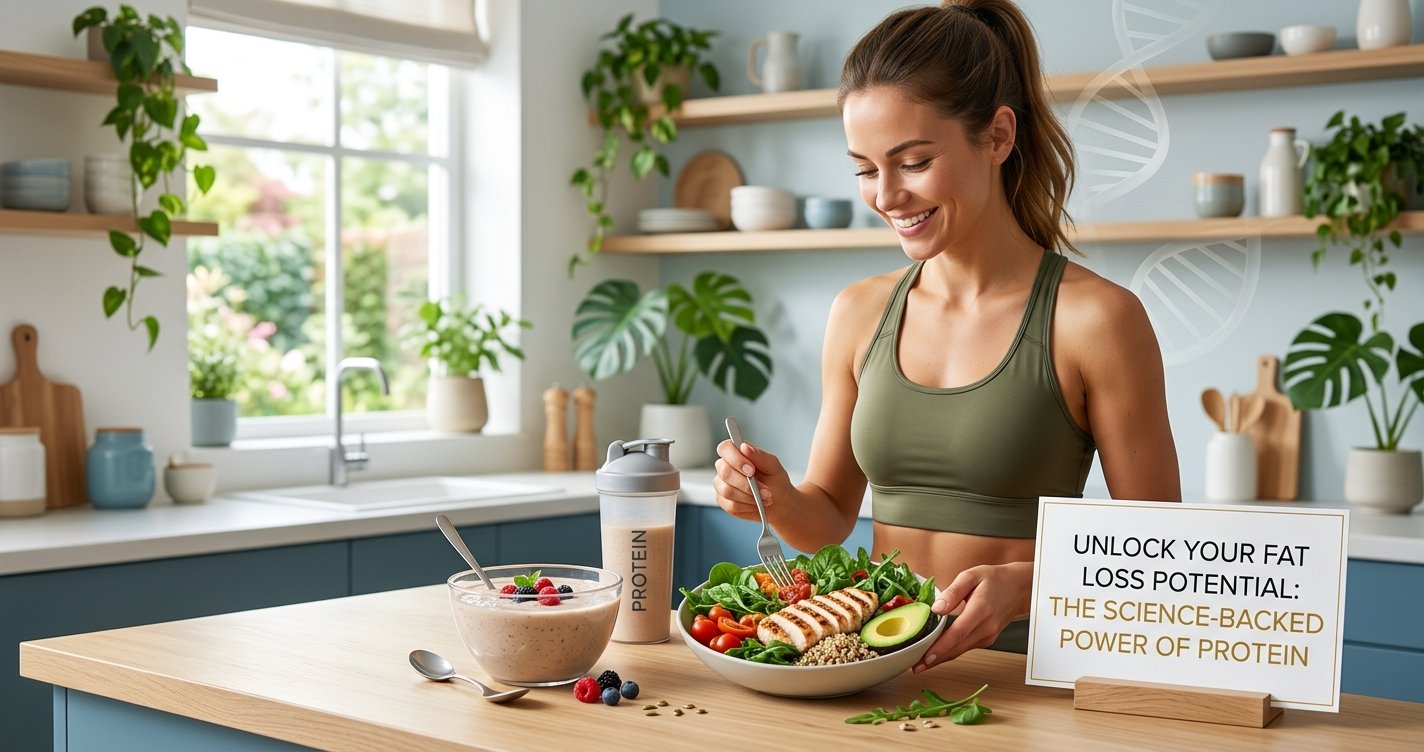
Unlock Your Fat Loss Potential: The Science-Backed Power of Protein for a Leaner You
Are you navigating the often-confusing world of fat loss, perhaps feeling constantly hungry or frustrated by a lack of sustainable results? You’re not alone. Many traditional diet approaches leave us feeling deprived and lead to a frustrating cycle of weight loss and regain. But what if there was a powerful, science-backed tool that could make your fat loss journey not just more effective, but also more enjoyable and sustainable? Enter protein, your unsung hero in the quest for a leaner, healthier body.
Often overshadowed by debates about carbs and fats, protein quietly plays a monumental role in transforming your physique. It’s not just for bodybuilders; it’s a vital macronutrient for anyone looking to shed body fat, preserve precious muscle, and feel great doing it. In this comprehensive guide, we'll dive deep into the evidence-based reasons why protein is your secret weapon for fat loss, how much you truly need, and practical strategies to seamlessly integrate it into your daily life. Get ready to fuel your body for success! this excellent wellness product
Why Protein is Your Secret Weapon for Fat Loss
The benefits of protein for fat loss are multifaceted, working on several fronts to help you achieve your goals. Let's break down the science:
The Satiety Superstar: Feeling Full, Longer
One of the biggest challenges in fat loss is managing hunger. When you're in a calorie deficit, your body naturally signals for more food. This is where protein shines! Protein is renowned for its ability to increase satiety – that wonderful feeling of fullness and satisfaction after a meal. This isn't just anecdotal; the science is clear.
- Hormonal Impact: Protein influences key hunger-regulating hormones. It suppresses ghrelin, the 'hunger hormone,' and boosts levels of peptide YY (PYY) and glucagon-like peptide-1 (GLP-1), which are 'fullness hormones.' This hormonal dance means you feel less hungry between meals, reducing the urge to snack unnecessarily.
- Reduced Cravings: By keeping you feeling satisfied, protein helps combat those pesky cravings that often derail fat loss efforts. When you're genuinely full, that sugary snack or extra portion becomes far less appealing.
Studies consistently show that higher protein diets lead to greater feelings of fullness and a significant reduction in overall calorie intake, making it easier to stick to your fat loss plan without feeling deprived.
Boosting Your Metabolism: The Thermic Effect of Food (TEF)
Did you know your body burns calories just to digest, absorb, and process the food you eat? This is called the Thermic Effect of Food (TEF), and it varies significantly between macronutrients. Protein has the highest TEF of all!
- Higher Calorie Burn: Approximately 20-30% of the calories from protein are burned during digestion, compared to just 5-10% for carbohydrates and 0-3% for fats. This means if you eat 100 calories of protein, your body uses 20-30 of those calories just to process it.
- Metabolic Advantage: By consuming more protein, you're effectively increasing your daily energy expenditure without doing any extra exercise. This subtle metabolic boost contributes to a larger overall calorie deficit, accelerating fat loss. It's like a mini-workout every time you eat!
Preserving Muscle, Burning Fat: The Key to a Lean Physique
When you're aiming for fat loss, your ultimate goal isn't just to see a lower number on the scale; it's to lose body fat while preserving or even building muscle mass. Why is this so important?
- Metabolic Engine: Muscle tissue is metabolically active, meaning it burns more calories at rest than fat tissue. Losing muscle during a diet can slow your metabolism, making future fat loss harder and increasing the likelihood of weight regain.
- Body Composition: A higher muscle-to-fat ratio results in a leaner, more toned physique. Protein is essential for muscle protein synthesis (MPS), the process by which your body repairs and builds new muscle tissue.
- Protection in a Deficit: When you're in a calorie deficit, your body can sometimes break down muscle for energy. Adequate protein intake signals to your body to prioritize burning fat for fuel while sparing your hard-earned muscle. This ensures that the weight you lose is predominantly fat, not muscle.
How Much Protein Do You Really Need for Fat Loss?
While the general recommended daily allowance (RDA) for protein is 0.8 grams per kilogram (g/kg) of body weight, this is often considered the minimum to prevent deficiency, not necessarily optimal for fat loss or active individuals.
For effective fat loss, research suggests a higher intake. A good target range is often cited as 1.6 to 2.2 grams of protein per kilogram of body weight (or 0.7 to 1.0 grams per pound of body weight). For example, if you weigh 150 pounds (approximately 68 kg), aiming for 105-150 grams of protein per day would be beneficial.
- Individual Needs: Your ideal intake can vary based on factors like your activity level, age, current body composition, and specific fat loss goals. Highly active individuals or those aiming for significant muscle preservation may benefit from the higher end of the spectrum.
- Listen to Your Body: Start within this range and adjust based on how you feel. Are you satisfied after meals? Are you recovering well from workouts? These are good indicators.
Smart Strategies to Maximize Your Protein Intake
Knowing you need more protein is one thing; actually getting it throughout your day is another. Here are some practical, friendly strategies to boost your protein intake without feeling overwhelmed:
Distribute Protein Throughout Your Day
Don't save all your protein for dinner! Spreading your protein intake across multiple meals and snacks can be more effective for muscle protein synthesis and satiety. Aim for roughly 20-40 grams of protein per meal, depending on your total daily target.
Prioritize Protein at Every Meal
Make protein the centerpiece of your plate. Instead of thinking of protein as an add-on, build your meals around it. For breakfast, think eggs, Greek yogurt, or a protein smoothie. For lunch and dinner, focus on lean meats, fish, or plant-based protein sources alongside your vegetables and complex carbs.
Smart Snacking Choices
Swap out carb-heavy or sugary snacks for protein-rich options. This can make a huge difference in managing hunger between meals and hitting your daily protein target.
- Greek yogurt or cottage cheese (plain, with berries)
- A handful of almonds or walnuts
- Hard-boiled eggs
- Jerky or biltong (check for low sugar options)
- Protein shake or bar (choose high-quality, low-sugar options)
- Edamame
Embrace Plant-Based Protein Options
Even if you're not vegetarian, incorporating more plant-based proteins can add variety and beneficial fiber to your diet. Combine different plant sources throughout the day to ensure you get a complete amino acid profile.
Top Protein Sources for Your Fat Loss Journey
Variety is the spice of life, and it's also key for a well-rounded diet. Here are excellent protein sources to incorporate:
Animal-Based Proteins
These are often considered "complete" proteins, meaning they contain all nine essential amino acids your body needs.
- Lean Meats: Chicken breast, turkey breast, lean cuts of beef (sirloin, round), pork loin.
- Fish & Seafood: Salmon (rich in omega-3s!), tuna, cod, shrimp, tilapia.
- Eggs: A versatile and affordable complete protein, with about 6 grams per large egg.
- Dairy: Greek yogurt (especially plain, high-protein varieties), cottage cheese, milk, whey protein powder.
Plant-Based Proteins
Many plant-based options are also rich in fiber, which further enhances satiety and digestive health.
- Legumes: Lentils, chickpeas, black beans, kidney beans.
- Soy Products: Tofu, tempeh, edamame (excellent sources of complete plant protein).
- Nuts & Seeds: Almonds, peanuts, chia seeds, flax seeds, pumpkin seeds (also good sources of healthy fats).
- Whole Grains: Quinoa (a complete protein!), oats, whole wheat pasta.
- Protein Powders: Pea protein, rice protein, hemp protein.
Beyond Protein: A Holistic Approach to Fat Loss
While protein is a superstar, remember it's one powerful player in a team effort. For sustainable fat loss, consider these other crucial elements:
- Calorie Deficit: Ultimately, fat loss requires consuming fewer calories than you burn. Protein makes achieving this deficit easier by keeping you full and boosting metabolism.
- Strength Training: Pairing a high-protein diet with regular strength training is the ultimate combination for preserving muscle and truly changing your body composition.
- Adequate Sleep: Poor sleep can disrupt hunger hormones and increase cravings, making fat loss significantly harder. Aim for 7-9 hours of quality sleep per night.
- Hydration: Sometimes, thirst can be mistaken for hunger. Drink plenty of water throughout the day.
- Stress Management: Chronic stress can lead to increased cortisol levels, which can promote fat storage, particularly around the midsection.
- Consistency & Patience: Fat loss is a journey, not a race. Be consistent with your efforts, celebrate small victories, and be patient with the process.
Conclusion: Embrace the Power of Protein for Lasting Results
The evidence is compelling: protein is an indispensable tool in your fat loss arsenal. From its incredible ability to keep you feeling full and satisfied, to its metabolic boosting power, and its critical role in preserving muscle mass, protein truly transforms the fat loss experience. It helps you eat less without feeling deprived, burn more calories passively, and achieve a leaner, stronger physique.
By making conscious choices to prioritize protein at every meal and snack, you're not just "dieting" – you're nourishing your body, optimizing your metabolism, and building a sustainable foundation for a healthier, more vibrant you. So, take these insights, start incorporating more high-quality protein into your daily routine, and unlock your true fat loss potential. You've got this!