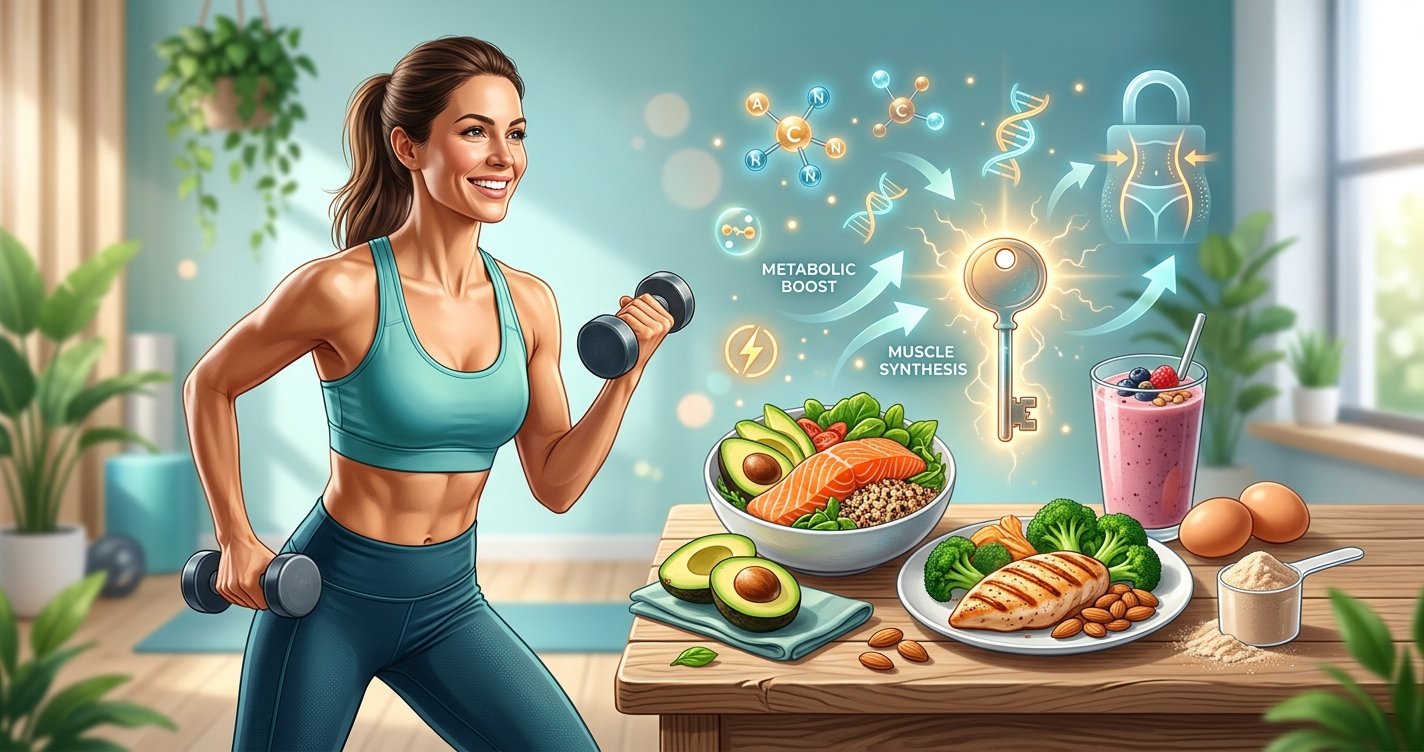
Unlock Your Fat Loss Potential: The Science-Backed Power of Protein
Embarking on a fat loss journey can feel like navigating a complex maze. With countless diets, trends, and conflicting advice, it's easy to get lost and discouraged. But what if there was one key nutritional player that could significantly simplify your path, make the process more sustainable, and help you achieve lasting results? Enter protein – your unsung hero in the world of fat loss.
Often overshadowed by debates around carbs and fats, protein quietly works wonders for your body when you’re trying to shed those extra pounds. It's not just for bodybuilders; it’s a fundamental macronutrient essential for everyone aiming for a healthier, leaner physique. In this friendly yet evidence-based guide, we’ll dive deep into why protein is so effective for fat loss, how much you truly need, and how to effortlessly incorporate more of it into your daily life. Get ready to discover the science-backed power of protein and transform your fat loss journey! this excellent wellness product
Why Protein is Your Fat Loss MVP (Most Valuable Player)
Protein isn't just a building block for muscles; it's a metabolic powerhouse that plays several crucial roles in helping you burn fat and maintain a healthy body composition. Let's explore its top three superpowers.
The Thermic Effect of Food (TEF): Burn More Calories Just By Eating!
Did you know that your body expends energy just to digest, absorb, and metabolize the food you eat? This phenomenon is called the Thermic Effect of Food (TEF), and protein has the highest TEF of all macronutrients. While carbohydrates typically have a TEF of 5-10% and fats 0-3%, protein boasts a TEF of 20-30%. This means that for every 100 calories of protein you consume, your body uses 20-30 of those calories just to process it!
Think of it as a metabolic boost you get simply by choosing protein-rich foods. Over the course of a day, this can add up, contributing to a higher overall calorie expenditure and making your fat loss efforts more efficient without you even trying harder at the gym.
Satiety Powerhouse: Feel Fuller, Longer
One of the biggest challenges in fat loss is managing hunger and cravings. This is where protein truly shines. Protein is incredibly satiating, meaning it helps you feel full and satisfied for longer periods compared to carbohydrates or fats.
This isn't just anecdotal; it's backed by science. Protein influences several hormones that regulate appetite, such as ghrelin (the hunger hormone) and PYY (a satiety hormone). Higher protein intake has been shown to decrease ghrelin levels and increase PYY, leading to reduced appetite, fewer cravings, and ultimately, a lower overall calorie intake. Imagine going about your day feeling genuinely satisfied, making it easier to stick to your calorie goals without feeling deprived. That’s the power of protein!
Muscle Preservation: Protect Your Metabolism
When you're in a calorie deficit to lose fat, your body doesn't always discriminate between fat and muscle. Unfortunately, it can sometimes break down muscle tissue for energy, which is detrimental to your metabolism. Muscle is metabolically active tissue, meaning it burns more calories at rest than fat does. Losing muscle can slow down your metabolism, making future fat loss harder and increasing the risk of regaining weight.
Adequate protein intake is crucial for preserving lean muscle mass during a fat loss phase, especially when combined with resistance training. Protein provides the essential amino acids your body needs to repair and build muscle, signaling to your body to hold onto that precious muscle tissue while encouraging fat breakdown. This ensures that the weight you lose is primarily fat, keeping your metabolism revved up and your body strong.
How Much Protein Do You Really Need for Fat Loss?
So, you're convinced protein is your fat loss ally. But how much should you actually be eating?
General Guidelines vs. Individual Needs
While there's no one-size-fits-all answer, general recommendations for fat loss typically range higher than the standard dietary allowance. For adults aiming for fat loss, a common guideline is to consume between 1.6 to 2.2 grams of protein per kilogram of body weight (or 0.7 to 1 gram per pound of desired body weight).
- Example: If you weigh 70 kg (approx. 154 lbs), you might aim for 112-154 grams of protein per day.
Factors like your activity level, age, and current body composition can influence your specific needs. If you're highly active or engaging in regular strength training, you might benefit from the higher end of this range to support muscle recovery and growth. For most individuals, focusing on hitting at least 1.6g/kg is an excellent starting point.
Spreading It Out: The Power of Even Distribution
It's not just about total daily protein intake; how you distribute it throughout the day also matters. Research suggests that spreading your protein intake evenly across your meals (e.g., 20-40 grams per meal, depending on your total target) can maximize muscle protein synthesis and optimize satiety.
Instead of front-loading or back-loading your protein, aim to include a significant protein source in every main meal and even your snacks. This consistent supply of amino acids helps keep your hunger at bay and supports muscle repair and growth around the clock.
Smart Protein Sources: Delicious & Effective
Now that you know the 'why' and the 'how much,' let's talk about the 'what.' Incorporating more protein doesn't have to be bland or boring!
Animal-Based Proteins
These are often referred to as 'complete proteins' because they contain all nine essential amino acids your body can't produce on its own. They are excellent choices for fat loss due to their high protein content and bioavailability.
- Lean Meats: Chicken breast, turkey, lean beef (sirloin, round), pork loin.
- Fish & Seafood: Salmon (rich in omega-3s!), cod, tuna, shrimp, scallops.
- Eggs: A versatile and affordable protein powerhouse, including the yolk for nutrients.
- Dairy: Greek yogurt, cottage cheese, milk, kefir. These are also great sources of calcium.
Plant-Based Proteins
For those following vegetarian or vegan diets, or simply looking to diversify their protein sources, the plant kingdom offers an abundance of options. While some plant proteins might be 'incomplete' on their own, combining various sources throughout the day easily provides all essential amino acids.
- Legumes: Lentils, chickpeas, black beans, kidney beans.
- Soy Products: Tofu, tempeh, edamame.
- Grains: Quinoa (a complete protein!), oats, whole wheat pasta.
- Nuts & Seeds: Almonds, peanuts, chia seeds, flax seeds, pumpkin seeds.
- Vegetables: Even some vegetables like broccoli, spinach, and asparagus contribute small but meaningful amounts of protein.
Protein Supplements: When and How to Use Them
Protein powders (whey, casein, soy, pea, rice) are convenient tools, especially for busy individuals or those struggling to meet their protein targets through whole foods alone. They are not magic pills, but they can be a helpful addition.
- Post-Workout: A quick and easy way to get protein for muscle recovery.
- Snacks: Protein shakes can be a satiating snack between meals.
- Meal Boost: Add to smoothies, oatmeal, or baked goods to increase protein content.
Remember, supplements should complement, not replace, a diet rich in whole, unprocessed protein sources.
Integrating Protein into Your Daily Life: Practical Tips
Making protein a priority doesn't have to be complicated. Here are some simple, actionable tips to boost your intake:
- Start with Protein at Breakfast: Ditch the sugary cereal! Opt for eggs, Greek yogurt, cottage cheese, a protein smoothie, or even leftover lean meat. This sets the tone for satiety throughout the day.
- Include Protein in Every Meal: Aim for a palm-sized portion of protein (around 20-30g) at lunch and dinner.
- Smart Snacking: Instead of chips or cookies, reach for hard-boiled eggs, a handful of almonds, a protein bar, or a small container of Greek yogurt.
- Meal Prep for Success: Cook larger batches of lean protein (chicken breast, ground turkey, lentils) at the beginning of the week to easily add to meals later.
- Protein-Rich Add-ins: Sprinkle seeds on salads, add beans to soups, or blend protein powder into your morning coffee or smoothie.
Beyond Protein: A Holistic Approach
While protein is a powerful ally, it's important to remember that it's one piece of the fat loss puzzle. For truly sustainable and healthy results, consider these other essential elements:
- Calorie Deficit: To lose fat, you must consume fewer calories than you burn. Protein makes achieving this deficit easier by boosting satiety and TEF.
- Strength Training: Incorporate resistance exercises (weightlifting, bodyweight exercises) to build and preserve muscle, further boosting your metabolism.
- Adequate Sleep: Poor sleep can disrupt hunger hormones and lead to increased cravings. Aim for 7-9 hours per night.
- Stress Management: Chronic stress can increase cortisol levels, which can promote fat storage, especially around the belly. Find healthy ways to manage stress.
- Hydration: Drinking enough water is crucial for overall health and can also help with satiety.
Conclusion
Protein is far more than just a nutrient; it's a strategic partner in your fat loss journey. Its ability to boost metabolism through TEF, keep you feeling full and satisfied, and protect your precious muscle mass makes it an indispensable component of any effective fat loss strategy. By understanding its power and implementing practical ways to increase your intake, you're not just losing weight – you're building a stronger, healthier, and more sustainable foundation for your body.
So, take this knowledge and empower yourself! Start prioritizing protein in your meals today, combine it with smart lifestyle choices, and watch as you unlock your full fat loss potential, feeling energized and confident every step of the way. Your body will thank you!