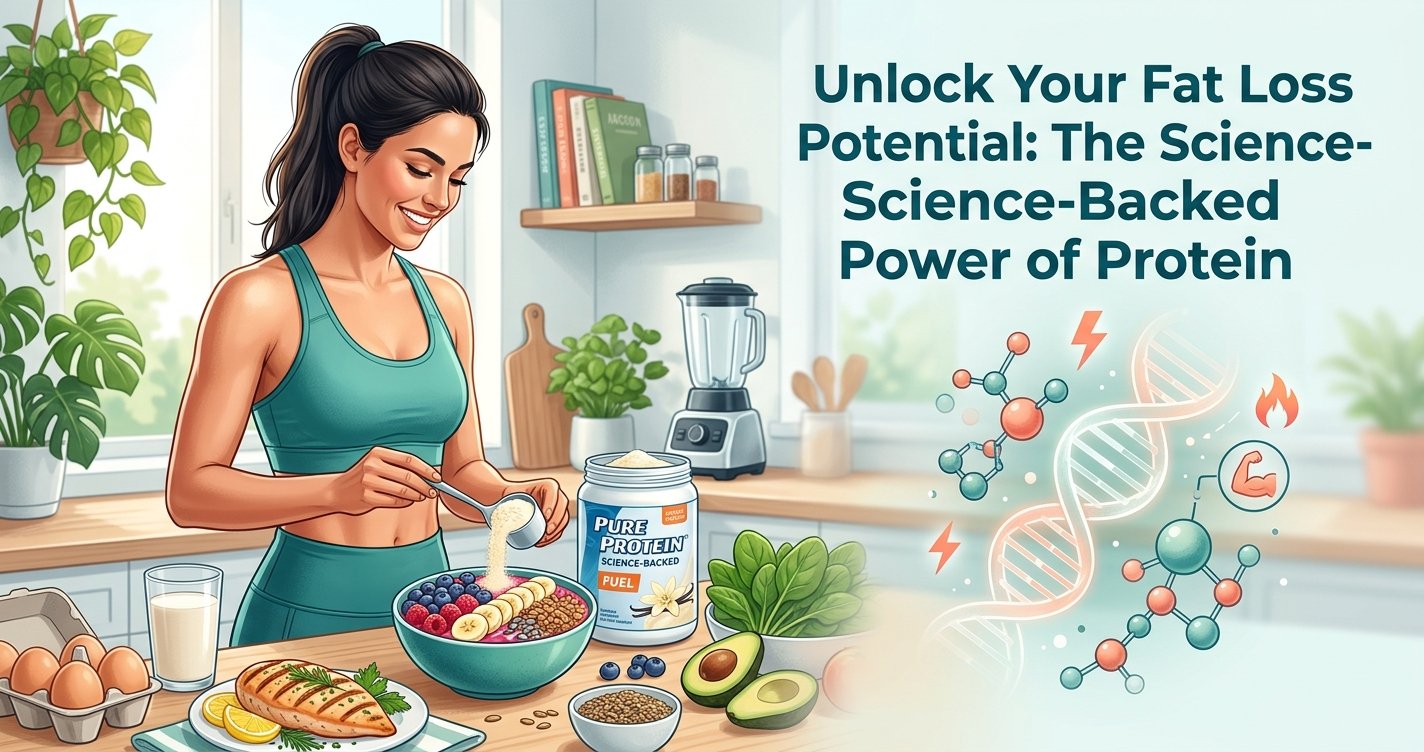
Unlock Your Fat Loss Potential: The Science-Backed Power of Protein
Are you navigating the often-confusing world of fat loss, searching for a strategy that actually works and feels sustainable? You’re not alone! Many diets promise quick fixes, but the truth is, sustainable fat loss often comes down to understanding fundamental nutritional principles. And when it comes to a true MVP in your fat loss journey, one nutrient consistently stands out: protein.
Often relegated to the realm of bodybuilders, protein is a powerhouse macronutrient that plays a crucial, multifaceted role in helping you shed unwanted fat, maintain muscle, and feel great while doing it. It’s not just about building biceps; it’s about optimizing your body’s natural fat-burning and hunger-regulating mechanisms. this excellent wellness product
In this comprehensive, evidence-based guide, we’ll dive deep into the science behind why protein is so effective for fat loss, how much you truly need, the best sources to fuel your body, and practical strategies to seamlessly integrate more protein into your daily life. Get ready to discover how this incredible nutrient can be your most powerful ally in achieving your fat loss goals!
Why Protein is Your Fat Loss MVP: The Science Behind the Power
Protein isn't just fuel; it's a strategic player in your body's metabolic game. Its impact on fat loss goes far beyond simple calories, influencing hormones, metabolism, and satiety in profound ways.
The Satiety Superstar: Feeling Full, Naturally
One of protein's most celebrated benefits for fat loss is its incredible ability to keep you feeling full and satisfied for longer. This isn't just a feeling; it's a complex interplay of hormones and physiological responses.
- Hormonal Harmony: Protein has a significant impact on hunger-regulating hormones. It helps to suppress ghrelin (your 'hunger hormone') and stimulate the production of satiety hormones like GLP-1 and PYY. The result? Reduced cravings, less desire to snack unnecessarily, and a natural reduction in your overall calorie intake.
- Stable Blood Sugar: Unlike simple carbohydrates that can cause rapid spikes and crashes in blood sugar, protein helps to stabilize glucose levels. This prevents the energy dips and subsequent cravings that often lead to unhealthy food choices.
By promoting satiety, protein acts as a natural appetite suppressant, making it easier to adhere to a calorie deficit without feeling constantly deprived or hungry. This is a game-changer for sustainable fat loss!
The Metabolic Booster: Protein's Thermic Effect
Did you know that your body expends energy just to digest and process the food you eat? This is known as the Thermic Effect of Food (TEF), and protein has the highest TEF of all macronutrients.
- More Calories Burned: While carbohydrates have a TEF of 5-10% and fats around 0-3%, protein boasts an impressive TEF of 20-30%. This means that for every 100 calories of protein you consume, your body burns 20-30 calories just to process it. In contrast, for 100 calories of fat, you might burn only 0-3 calories.
- A Small Boost, All Day: While individually small, this effect adds up over the course of a day and weeks. Incorporating more protein can subtly increase your daily calorie expenditure, contributing to a more significant calorie deficit over time, without you having to do extra workouts.
Muscle Defender: Preserving Your Metabolism During Weight Loss
When you're in a calorie deficit to lose fat, your body doesn't just burn fat; it can also start to break down muscle tissue for energy. This is a problem because muscle is metabolically active, meaning it burns more calories at rest than fat tissue does.
- Maintaining Your Metabolic Rate: Losing muscle mass can slow down your resting metabolic rate (RMR), making it harder to lose weight and easier to regain it. A higher protein intake, especially when combined with strength training, helps to signal your body to preserve precious muscle tissue.
- Building and Repairing: Protein provides the essential amino acids your body needs for muscle protein synthesis (MPS). This process is crucial for repairing muscle fibers after exercise and building new ones, ensuring that the weight you're losing is predominantly fat, not muscle.
How Much Protein Do You Really Need for Fat Loss?
While everyone is unique, there are general guidelines for optimal protein intake during fat loss. For adults looking to lose weight while preserving muscle, research suggests a range higher than the standard dietary reference intake.
- Target Range: Aim for approximately 1.6 to 2.2 grams of protein per kilogram (or about 0.7 to 1.0 grams per pound) of your target body weight or lean body mass.
- Example: If you weigh 150 pounds (approx. 68 kg) and are aiming for fat loss, you might target around 100-150 grams of protein per day. If you're very active or have a significant amount of muscle, you might lean towards the higher end of that range.
- Spread it Out: Instead of consuming all your protein in one meal, aim to distribute your intake throughout the day. Try to get 20-40 grams of protein at each main meal (breakfast, lunch, dinner) and potentially in snacks. This helps optimize muscle protein synthesis and keeps you feeling satiated consistently.
Remember, these are guidelines. Listening to your body, tracking your intake, and adjusting based on your hunger levels and progress is always key.
Fueling Up: Top Protein Sources for Your Fat Loss Journey
Variety is the spice of life, and it's also key to getting all the essential amino acids your body needs. Here are some excellent protein sources to incorporate into your diet:
Animal-Based Proteins: Lean & Mean
These are generally complete proteins, meaning they contain all nine essential amino acids.
- Lean Meats: Chicken breast, turkey, lean cuts of beef (sirloin, round), pork loin.
- Fish & Seafood: Salmon (rich in omega-3s!), tuna, cod, shrimp, scallops.
- Eggs: A complete, versatile, and affordable protein source. Don't skip the yolk – it's packed with nutrients!
- Dairy: Greek yogurt (high in protein, great for snacks), cottage cheese, milk, whey protein powder.
Plant-Based Proteins: Power from Plants
Many plant-based proteins are also excellent choices, often coming with the added benefit of fiber.
- Legumes: Lentils, black beans, chickpeas, kidney beans.
- Soy Products: Tofu, tempeh, edamame.
- Grains: Quinoa (a complete protein!), oats, whole wheat pasta (in moderation).
- Nuts & Seeds: Almonds, peanuts, chia seeds, flax seeds, pumpkin seeds (great for snacks or additions to meals).
- Plant-Based Protein Powders: Pea protein, rice protein, soy protein.
Protein Supplements: A Convenient Boost
While whole foods should always be your primary source, protein powders can be a convenient and effective way to meet your daily protein targets, especially if you're active or have dietary restrictions.
- Whey Protein: Fast-digesting, great post-workout.
- Casein Protein: Slow-digesting, good before bed.
- Plant-Based Blends: Often a mix of pea, rice, and hemp proteins to provide a complete amino acid profile.
Making Protein Work for You: Practical Strategies for Every Meal
Incorporating more protein doesn't have to be complicated. With a few simple tweaks, you can significantly boost your intake throughout the day.
Don't Skip Breakfast: Start Strong
Make breakfast a high-protein affair to kickstart your metabolism and reduce morning cravings.
- Scrambled eggs with spinach and a side of cottage cheese.
- Greek yogurt with berries and a sprinkle of nuts/seeds.
- A protein smoothie with protein powder, fruit, and spinach.
Smart Snacking: Beat the Hunger Pangs
Choose protein-rich snacks to bridge the gap between meals and prevent overeating.
- Hard-boiled eggs.
- A handful of almonds or walnuts.
- String cheese or a small container of cottage cheese.
- Jerky (check for low sugar options).
- Apple slices with peanut butter.
Balanced Meals: Protein at Every Plate
Ensure protein is a centerpiece of your lunch and dinner, paired with fiber-rich vegetables and healthy fats.
- Grilled chicken or fish with a large salad and a small serving of quinoa.
- Lentil soup with whole-grain bread.
- Lean ground beef stir-fry with plenty of veggies and a light sauce.
- Tofu scramble with mixed vegetables.
Pre- & Post-Workout Protein: Optimize Recovery & Growth
Timing your protein intake around your workouts can maximize muscle recovery and growth.
- Pre-Workout: A small protein-rich snack (e.g., Greek yogurt) about an hour before can provide sustained energy.
- Post-Workout: A protein shake or a meal with lean protein within an hour or two after your workout helps kickstart muscle repair and growth.
Beyond Protein: Integrating for Optimal Fat Loss
While protein is a powerful tool, it's part of a larger picture. For optimal and sustainable fat loss, remember to integrate it with other healthy habits:
- Calorie Deficit: Protein helps you achieve and sustain a calorie deficit more easily, but you still need to consume fewer calories than you burn.
- Strength Training: Lifting weights or doing bodyweight exercises works synergistically with protein to build and preserve muscle, further boosting your metabolism.
- Fiber-Rich Carbs & Healthy Fats: Don't neglect other macronutrients. Choose whole grains, fruits, and vegetables for fiber and essential nutrients, and healthy fats (avocado, olive oil, nuts) for hormone health and satiety.
- Hydration: Drink plenty of water throughout the day.
- Sleep & Stress Management: These often-overlooked factors significantly impact hormone balance and fat loss.
Conclusion: Embrace the Power of Protein for a Leaner, Healthier You!
Protein is far more than just a nutrient; it's a strategic ally in your fat loss journey. By understanding its scientific benefits – from enhancing satiety and boosting metabolism to preserving vital muscle mass – you can harness its power to achieve sustainable results.
Remember, fat loss isn't about perfection; it's about consistency and making smart, informed choices. By prioritizing protein in your diet, you're not just counting macros; you're investing in a strategy that supports a leaner body, a more robust metabolism, and a healthier, more energetic you. Start incorporating these tips today, be patient with yourself, and watch as the power of protein transforms your fat loss efforts for the better!