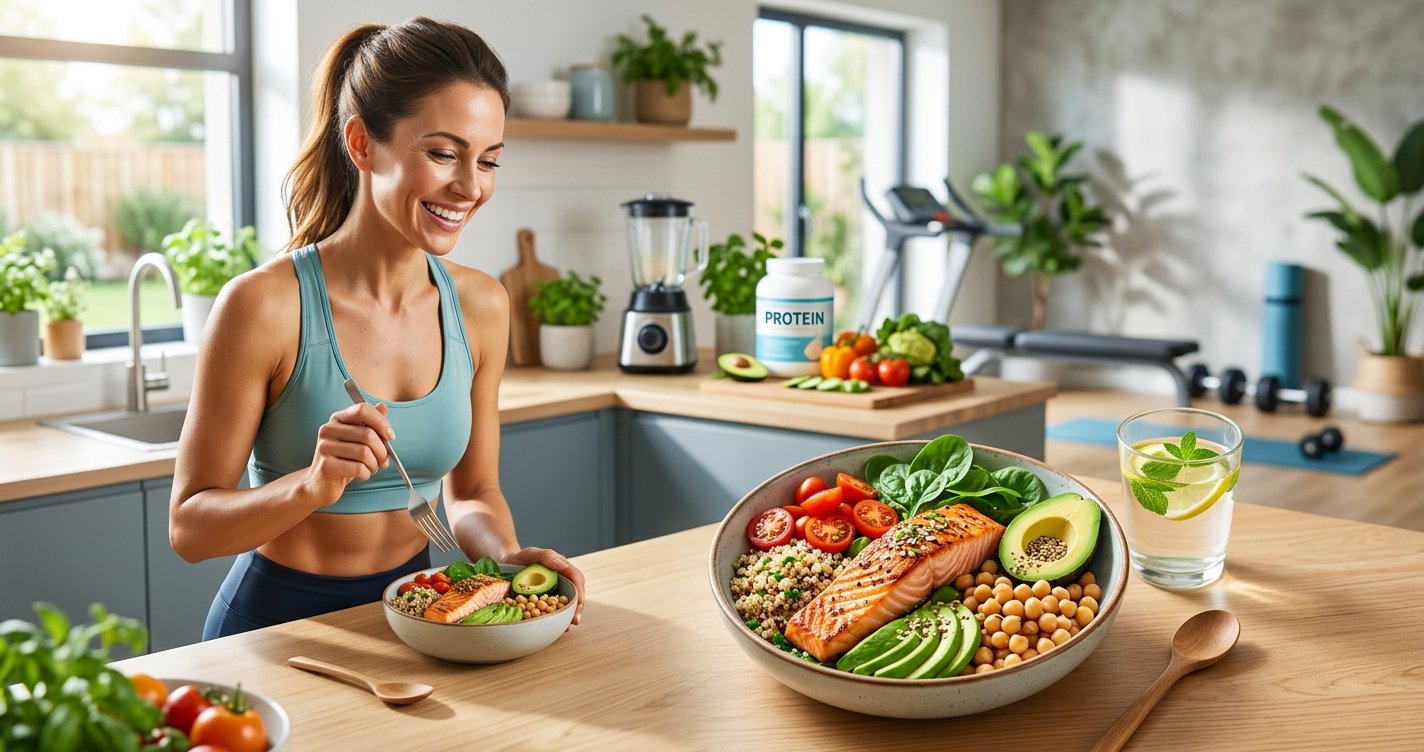
Embarking on a fat loss journey can often feel overwhelming, with countless diets and workout routines promising quick fixes. But what if one key nutrient could significantly boost your efforts, helping you feel fuller, preserve muscle, and even burn more calories? We're talking about protein – the unsung hero of sustainable fat loss. Far from just building big muscles, protein plays a crucial role in transforming your body composition and making your fat loss journey more effective and enjoyable. In this friendly, evidence-based guide, we'll dive deep into why protein is your ultimate ally for achieving a leaner, healthier you.
Why Protein is Your Secret Weapon for Fat Loss
Protein is one of the three macronutrients, alongside carbohydrates and fats, and it's essential for virtually every function in your body. But when it comes to fat loss, its benefits are truly exceptional. Understanding these mechanisms can empower you to make smarter dietary choices and see lasting results. this excellent wellness product
The Satiety Factor: Feeling Fuller, Longer
One of the biggest challenges in fat loss is managing hunger and cravings, especially when you're in a calorie deficit. This is where protein shines. Protein has a remarkable ability to increase satiety – the feeling of fullness and satisfaction after a meal – far more effectively than carbohydrates or fats.
How does it work? Protein influences several hormones that regulate appetite. It helps to decrease levels of ghrelin, the 'hunger hormone,' while increasing levels of peptide YY (PYY) and glucagon-like peptide-1 (GLP-1), which signal fullness to your brain. This means that a high-protein meal can keep you satisfied for longer, reducing the likelihood of overeating and unnecessary snacking throughout the day. Studies consistently show that individuals on higher-protein diets naturally consume fewer calories without feeling deprived, making adherence to a calorie deficit much easier.
Boosting Your Metabolism: The Thermic Effect of Food (TEF)
Did you know that your body expends energy just to digest, absorb, and metabolize the food you eat? This is known as the Thermic Effect of Food (TEF), and it accounts for roughly 5-10% of your total daily energy expenditure. Among the macronutrients, protein has the highest TEF.
While carbohydrates typically have a TEF of 5-10% and fats 0-3%, protein boasts a TEF of 20-30%. This means that for every 100 calories of protein you consume, your body uses 20-30 of those calories just to process it. While this might seem like a small amount on a meal-to-meal basis, it adds up significantly over time, contributing to a slight but consistent increase in your daily calorie burn. Think of it as a metabolic advantage that helps you burn a few extra calories effortlessly.
Preserving Muscle Mass: The Key to a Faster Metabolism
When you're trying to lose weight, the goal isn't just to drop pounds; it's to lose fat while preserving as much lean muscle mass as possible. Muscle is metabolically active tissue, meaning it burns more calories at rest than fat does. If you lose muscle along with fat, your resting metabolic rate (RMR) can decrease, making it harder to maintain your weight loss in the long run.
During a calorie deficit, your body might start breaking down muscle tissue for energy, especially if protein intake is insufficient. Adequate protein intake is crucial for protecting your hard-earned muscle. Protein provides the amino acids necessary for muscle repair and synthesis, signaling your body to hold onto muscle tissue even when calories are restricted. Combining a high-protein diet with regular strength training is the most powerful strategy to ensure you're losing fat, not muscle, leading to a leaner, more toned physique and a more robust metabolism.
How Much Protein Do You Actually Need for Fat Loss?
The recommended daily allowance (RDA) for protein is 0.8 grams per kilogram of body weight, but this is a minimum to prevent deficiency, not necessarily optimal for fat loss or muscle preservation. For individuals actively pursuing fat loss, research suggests a higher intake is beneficial.
Most experts recommend aiming for:
- 1.6 to 2.2 grams of protein per kilogram of body weight (approximately 0.7 to 1 gram per pound of body weight).
For example, if you weigh 70 kg (about 154 lbs), you'd aim for roughly 112-154 grams of protein per day. Active individuals or those with significant strength training routines might even benefit from the higher end of this range. Spread your protein intake evenly throughout the day across all your meals and snacks to maximize muscle protein synthesis and satiety.
Practical Strategies to Boost Your Protein Intake
Incorporating more protein into your diet doesn't have to be complicated. Here are some simple, actionable tips:
Prioritize Protein at Every Meal
Make protein the centerpiece of your breakfast, lunch, and dinner. Instead of just adding a side of protein, build your meal around it.
- Breakfast: Scrambled eggs, Greek yogurt with berries, cottage cheese, or a protein smoothie.
- Lunch: Chicken breast salad, tuna wrap, lentil soup, or leftover lean meat.
- Dinner: Grilled salmon, lean steak, turkey chili, or tofu stir-fry.
Smart Snacking
Replace sugary or high-carb snacks with protein-rich options to stave off hunger between meals.
- Hard-boiled eggs
- A handful of almonds or walnuts
- Greek yogurt
- Cottage cheese
- Edamame
- Beef jerky (low-sodium)
- Protein bar (check sugar content)
- Apple slices with peanut butter
Don't Forget Plant-Based Power
If you follow a vegetarian or vegan diet, or simply want to diversify your protein sources, there are excellent plant-based options available.
- Lentils, chickpeas, and black beans
- Tofu, tempeh, and edamame
- Quinoa
- Nuts and seeds (chia seeds, hemp seeds)
- Seitan
- Plant-based protein powders (pea, rice, soy)
Protein Supplements (When & How)
While whole foods should always be your primary source of protein, supplements can be a convenient and effective way to meet your daily targets, especially after workouts or when you're on the go.
- Whey Protein: Fast-digesting, great for post-workout.
- Casein Protein: Slow-digesting, ideal before bed.
- Plant-Based Protein: Excellent alternatives for those with dietary restrictions or preferences.
Remember, supplements are meant to supplement, not replace, a balanced diet.
Beyond Protein: A Holistic Approach to Sustainable Fat Loss
While protein is a powerful tool, it's essential to remember that it's part of a larger picture. Sustainable fat loss is achieved through a holistic approach that integrates several key lifestyle factors:
- Calorie Deficit: Ultimately, to lose fat, you must consume fewer calories than you burn. Protein helps make this deficit more manageable.
- Balanced Macronutrients: Don't neglect healthy fats and complex carbohydrates. They provide essential nutrients, energy, and contribute to overall health.
- Strength Training: Crucial for building and preserving muscle mass, which boosts metabolism.
- Cardiovascular Exercise: Supports overall health, improves endurance, and contributes to calorie expenditure.
- Adequate Sleep: Poor sleep can disrupt hunger hormones and increase cravings, making fat loss harder. Aim for 7-9 hours per night.
- Stress Management: Chronic stress can lead to increased cortisol levels, which can promote fat storage, especially around the midsection.
- Hydration: Drinking enough water is vital for metabolic function and can help with satiety.
- Consistency and Patience: Fat loss is a marathon, not a sprint. Be consistent with your efforts, be kind to yourself, and celebrate small victories along the way.
Embrace the Protein Advantage for Lasting Results
Incorporating adequate protein into your diet is one of the most effective and sustainable strategies for fat loss. By harnessing its power to increase satiety, boost metabolism, and preserve muscle mass, you can make your journey smoother, more enjoyable, and ultimately more successful. It's not about deprivation; it's about smart nutrition that fuels your body and helps you achieve your goals. Start prioritizing protein today, combine it with a balanced lifestyle, and watch as you unlock your full fat loss potential for a leaner, healthier, and happier you!