Unlock Your Fat Loss Potential: The Science-Backed Power of Protein for Sustainable Results
We’ve all been there: chasing the latest fad diet, trying to shed those extra pounds, only to find ourselves frustrated and back where we started. The world of fat loss can feel overwhelming, filled with quick fixes and confusing advice. But what if there was one key nutritional player that could make a significant difference, not just in losing weight, but in keeping it off sustainably? Enter protein, your unsung hero in the journey to a leaner, healthier you.
This isn't about deprivation or complex meal plans. It's about understanding how a simple, yet powerful, macronutrient can revolutionize your approach to fat loss, backed by solid evidence. Ready to discover why protein is your ultimate ally? Let's dive in! this excellent wellness product
Why Protein is Your Secret Weapon for Sustainable Fat Loss
Protein isn't just for bodybuilders. It's a fundamental nutrient essential for every cell in your body, and when it comes to fat loss, its benefits are truly remarkable. Here’s how it helps you achieve and maintain your goals:
The Satiety Factor: Feeling Fuller, Longer
One of the biggest challenges in fat loss is managing hunger. Cravings and constant feelings of emptiness can derail even the most determined efforts. This is where protein shines! Studies consistently show that protein is the most satiating of all macronutrients. When you eat protein, it signals your brain that you're full, reducing your appetite and helping you naturally eat fewer calories throughout the day.
Imagine going through your day feeling satisfied and energized, rather than constantly battling hunger pangs. Incorporating more protein into your meals can make this a reality, making it easier to stick to a calorie deficit without feeling deprived.
Boosting Your Metabolism: The Thermic Effect of Food (TEF)
Did you know that your body actually burns calories just to digest, absorb, and metabolize the food you eat? This is known as the Thermic Effect of Food (TEF), and protein has the highest TEF among all macronutrients. While carbohydrates have a TEF of 5-10% and fats have 0-3%, protein boasts a TEF of 20-30%!
This means that for every 100 calories of protein you consume, your body uses 20-30 of those calories just to process it. While it might not sound like a huge number, this metabolic boost adds up over time, contributing to an increased daily calorie burn and making your fat loss journey more efficient.
Preserving Muscle Mass: A Crucial Component
When you're in a calorie deficit to lose fat, there's always a risk of losing valuable muscle mass along with fat. Losing muscle is counterproductive because muscle is metabolically active, meaning it burns more calories at rest than fat does. If you lose muscle, your resting metabolic rate can decrease, making it harder to keep weight off in the long run.
A higher protein intake is crucial for preserving lean muscle mass during fat loss. It provides the building blocks (amino acids) your body needs to repair and build muscle, especially when combined with resistance training. By protecting your muscle, you maintain a higher metabolism, which is key for sustainable fat loss and a leaner physique.
How Much Protein Do You Actually Need for Optimal Fat Loss?
The general recommended daily allowance (RDA) for protein is 0.8 grams per kilogram of body weight, but this is merely the minimum to prevent deficiency. For active individuals aiming for fat loss, research suggests a significantly higher intake is beneficial.
- For most active adults looking to lose fat: Aim for approximately 1.6 to 2.2 grams of protein per kilogram of body weight (or 0.7 to 1 gram per pound of body weight).
- Example: If you weigh 70 kg (about 154 lbs), you'd be looking at roughly 112-154 grams of protein per day.
Spreading your protein intake throughout the day, aiming for 20-40 grams per meal, can also maximize muscle protein synthesis and satiety.
Practical Strategies to Boost Your Protein Intake
Increasing your protein intake doesn't have to be complicated or boring! Here are some simple, delicious ways to incorporate more of this powerhouse nutrient into your daily routine:
Smart Meal Planning & Timing
- Start your day right: Instead of sugary cereals, opt for protein-rich breakfasts like Greek yogurt with berries, scrambled eggs, or a protein smoothie.
- Protein at every meal: Make protein a central component of all your main meals. Think chicken breast with your salad, fish with your veggies, or lentils in your soup.
- Snack smart: Choose protein-packed snacks like a handful of almonds, cottage cheese, hard-boiled eggs, or beef jerky to keep hunger at bay between meals.
Lean Protein Sources: A Delicious Array
The beauty of protein is its versatility. There's a source for every palate and dietary preference:
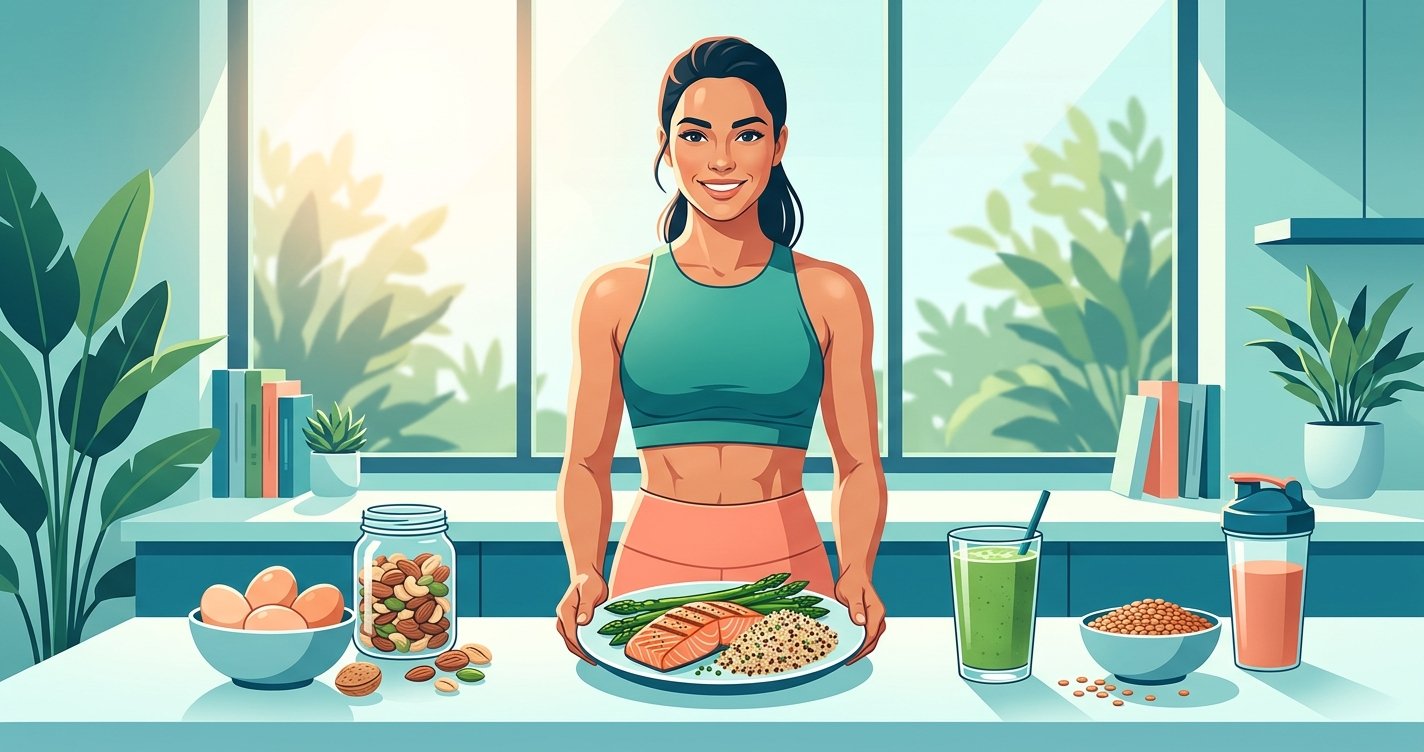
- Animal-based: Chicken breast, turkey, lean beef, pork tenderloin, fish (salmon, cod, tuna), eggs, dairy (Greek yogurt, cottage cheese, milk).
- Plant-based: Lentils, chickpeas, black beans, tofu, tempeh, edamame, quinoa, nuts, seeds, nutritional yeast.
Don't be afraid to experiment with different recipes and cooking methods to keep your meals exciting and flavorful!
Protein Supplements: When and Why?
While whole foods should always be your primary source of protein, supplements can be a convenient and effective tool, especially for busy individuals or those with higher protein needs. Whey protein, casein protein, or plant-based protein powders (like pea or rice protein) can be easily added to smoothies, shakes, or even baked goods to help you hit your daily targets without excessive calories.
Remember, supplements are designed to supplement your diet, not replace nutrient-dense whole foods.
Dispelling Protein Myths and Common Misconceptions
You might have heard some concerns about high-protein diets, but let's clear up a few common myths:
- "Too much protein damages kidneys." For healthy individuals with normal kidney function, there's no strong evidence to suggest that a high-protein diet causes kidney damage. However, if you have pre-existing kidney disease, consult your doctor before increasing protein intake.
- "Protein makes you bulky." While protein is essential for muscle growth, consuming it won't automatically make you "bulky," especially for women. Building significant muscle mass requires intense training, a calorie surplus, and specific hormonal profiles. For most, increased protein leads to a leaner, more toned physique.
Focus on quality protein sources and listen to your body, and you'll reap the benefits without unnecessary worry.
Beyond the Scale: The Holistic Benefits of a High-Protein Diet
While fat loss is often the primary goal, a higher protein intake offers a cascade of other health benefits that contribute to overall well-being:
- Improved bone health: Protein plays a vital role in maintaining bone density.
- Better blood sugar control: Protein helps slow down the absorption of carbohydrates, leading to more stable blood sugar levels.
- Enhanced recovery: For those who exercise, protein aids in muscle repair and recovery post-workout.
- Stronger immune system: Antibodies, which fight off infections, are made from protein.
Your Sustainable Path to Fat Loss Starts Here
Embracing the power of protein isn't about a restrictive diet; it's about making smart, evidence-based choices that support your body's natural processes. By prioritizing protein, you'll feel fuller, boost your metabolism, preserve precious muscle, and set yourself up for truly sustainable fat loss. No more yo-yo dieting, no more endless hunger. Just a clearer path to a healthier, happier you.
Start small, focus on incorporating a protein source into every meal, and watch as your body transforms, not just on the scale, but in how you feel, look, and live. Your journey to sustainable fat loss is within reach, and protein is ready to lead the way!