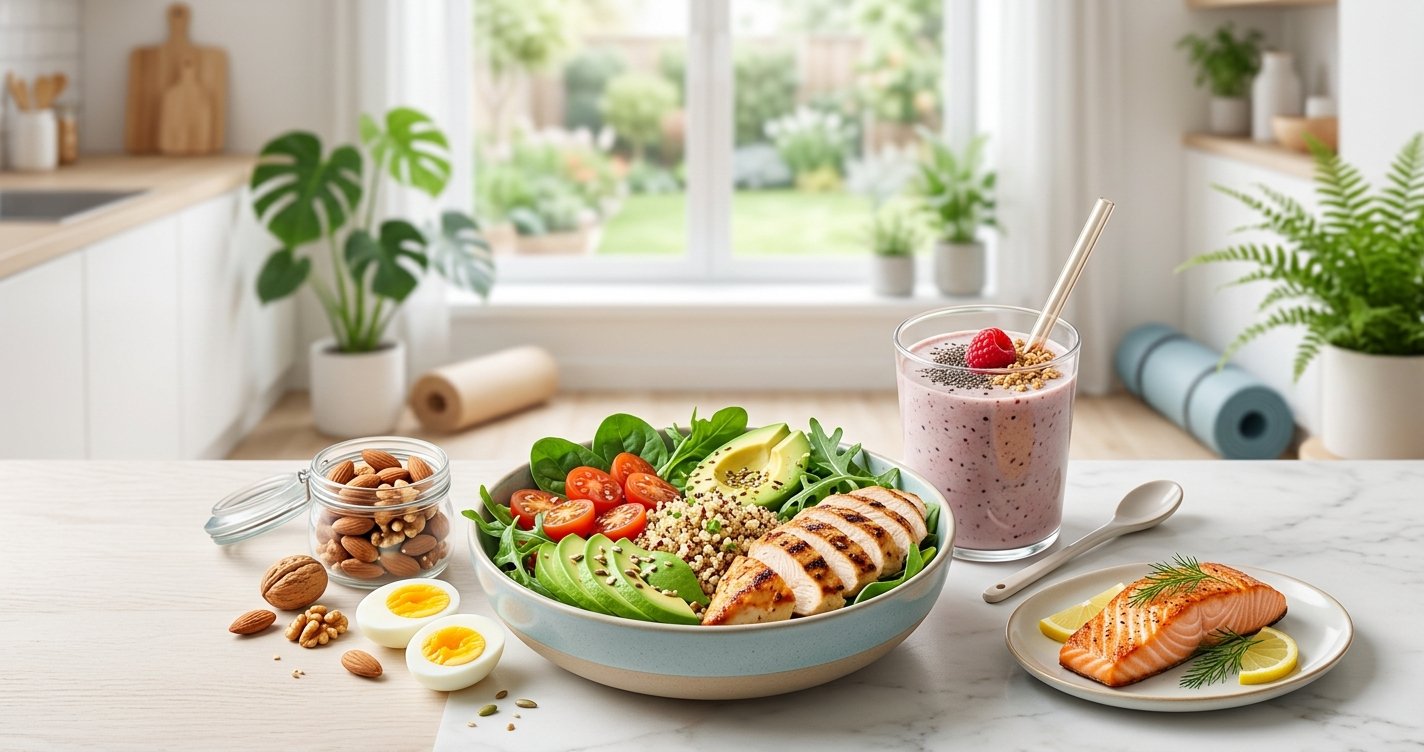
Unlock Your Fat Loss Potential: The Science-Backed Power of Protein
Are you on a journey to shed unwanted body fat, but feel overwhelmed by conflicting advice or the constant struggle with hunger? What if there was a powerful, natural tool you could leverage to make your fat loss efforts more effective, more sustainable, and even more enjoyable? Good news: there is! It’s called protein, and it’s much more than just a muscle-builder. In the world of fat loss, protein is your unsung hero, playing a pivotal role in everything from curbing cravings to boosting your metabolism.
Forget restrictive diets and endless cardio for a moment. Let's dive deep into the evidence-based reasons why prioritizing protein intake is one of the smartest, most impactful strategies you can adopt for truly sustainable fat loss. Get ready to transform your approach to eating and discover how this mighty macronutrient can help you reach your goals without feeling deprived. this excellent wellness product
The Satiety Secret: How Protein Keeps You Feeling Full and Satisfied
One of the biggest hurdles in any fat loss journey is managing hunger. When you're constantly battling cravings and feeling like you could eat a horse, adherence to a calorie deficit becomes incredibly difficult. This is where protein truly shines!
Protein is king when it comes to satiety – the feeling of fullness and satisfaction after a meal. Here’s why:
- Hormonal Response: Eating protein stimulates the release of satiety hormones like cholecystokinin (CCK) and peptide YY (PYY), which signal to your brain that you're full. Conversely, it helps suppress ghrelin, the 'hunger hormone,' keeping those pesky hunger pangs at bay for longer.
- Slower Digestion: Protein takes longer to digest compared to carbohydrates and fats. This sustained presence in your digestive system contributes to a prolonged feeling of fullness, reducing the likelihood of overeating or snacking unnecessarily between meals.
- Stable Blood Sugar: While not as dramatic as some carbs, protein also helps stabilize blood sugar levels, preventing the sharp spikes and crashes that can lead to sudden hunger and energy dips.
Imagine going through your day feeling genuinely satisfied after your meals, rather than constantly thinking about your next snack. That’s the power of protein in action, making adherence to your fat loss plan significantly easier and more enjoyable.
Turbocharge Your Metabolism: The Thermic Effect of Food (TEF)
Did you know that your body burns calories just to digest, absorb, and process the food you eat? This phenomenon is known as the Thermic Effect of Food (TEF), and it varies significantly between macronutrients. And guess which macronutrient has the highest TEF?
You guessed it: protein!
- Protein's High TEF: Approximately 20-30% of the calories you consume from protein are burned off during digestion. This means if you eat 100 calories of protein, your body uses 20-30 of those calories just to process it. Compare this to carbohydrates (5-10% TEF) and fats (0-3% TEF), and you can see why protein is a metabolic powerhouse.
- More Calories Burned Daily: By increasing your protein intake, you're essentially giving your metabolism a gentle, continuous boost throughout the day. This small but consistent increase in calorie expenditure can add up over time, contributing meaningfully to your overall fat loss efforts, even when you're at rest!
Think of it as a built-in calorie burner that activates every time you eat protein. It’s a smart, effortless way to support your body’s natural fat-burning processes.
Building and Preserving Muscle: Your Fat-Burning Engine
When we talk about fat loss, it’s crucial to distinguish between losing weight and losing fat. You want to lose fat, not precious muscle mass! Muscle is metabolically active tissue, meaning it burns more calories at rest than fat tissue does.
Why Muscle Matters for Fat Loss:
- Higher Resting Metabolic Rate (RMR): The more muscle mass you have, the higher your RMR. This means you burn more calories even when you’re just sitting around, making it easier to maintain a calorie deficit for fat loss.
- Protecting Muscle During a Deficit: When you're in a calorie deficit (eating fewer calories than you burn), your body can sometimes break down muscle for energy, especially if protein intake is insufficient. Adequate protein intake is vital for preserving lean muscle mass during fat loss, ensuring that the weight you lose is primarily fat.
- Supports Strength Training: If you're incorporating strength training (which you absolutely should be for optimal fat loss and body composition!), protein provides the necessary amino acids to repair and rebuild muscle tissue, leading to stronger, more resilient muscles.
By prioritizing protein, you're essentially protecting and fueling your body's fat-burning engine, making your fat loss journey more efficient and leading to a more toned, healthier physique.
Beyond the Scale: Improving Body Composition
While the number on the scale can be a motivating factor, true fat loss is about improving your body composition – the ratio of fat to lean mass in your body. A higher protein intake, especially when combined with strength training, is incredibly effective at shifting this ratio in your favor.
You might even find that the scale doesn't move as quickly as you expect, but your clothes fit better, you look leaner, and your strength improves. This is a clear sign that you're losing fat and gaining (or at least preserving) muscle, which is the ultimate goal for a healthy, functional body.
How Much Protein Do You Really Need?
So, how much protein should you be aiming for to reap these amazing fat loss benefits? While individual needs can vary based on activity level, age, and specific goals, general guidelines for fat loss suggest:
- 0.7 to 1.0 grams of protein per pound of body weight (1.6 to 2.2 grams per kilogram of body weight) per day.
For example, a person weighing 150 pounds might aim for 105-150 grams of protein daily. Spreading this intake across multiple meals and snacks throughout the day can help optimize muscle protein synthesis and keep you feeling full.
If you're very active or significantly overweight, you might lean towards the higher end of this range. It’s always a good idea to consult with a healthcare professional or registered dietitian for personalized advice.
Smart Protein Choices: Quality Over Quantity
Not all protein sources are created equal. Focus on incorporating a variety of high-quality, lean protein sources into your diet:
- Lean Meats: Chicken breast, turkey, lean beef, pork loin.
- Fish and Seafood: Salmon (rich in omega-3s!), cod, tuna, shrimp.
- Eggs: A complete protein powerhouse, incredibly versatile.
- Dairy: Greek yogurt, cottage cheese, milk, whey protein.
- Legumes and Plant-Based Options: Lentils, chickpeas, black beans, tofu, tempeh, edamame, quinoa, plant-based protein powders.
Remember, balance is key. While protein is crucial, don't forget to include plenty of fiber-rich vegetables, healthy fats, and complex carbohydrates to support overall health and energy levels.
Practical Tips for Boosting Your Protein Intake
Incorporating more protein into your daily routine doesn't have to be complicated. Here are some simple, actionable tips:
- Start with Protein-Rich Breakfasts: Instead of sugary cereals, opt for eggs, Greek yogurt, cottage cheese, or a protein smoothie.
- Include Protein at Every Meal: Aim for a serving of protein (e.g., palm-sized portion of meat, fish, or equivalent plant-based source) at breakfast, lunch, and dinner.
- Smart Snacking: Replace sugary snacks with protein-packed alternatives like a handful of almonds, a hard-boiled egg, cheese sticks, or a protein bar.
- Meal Prep: Cook larger batches of lean protein (chicken, ground turkey) at the beginning of the week to easily add to salads, stir-fries, or wraps.
- Don't Fear Supplements (When Appropriate): Protein powders (whey, casein, plant-based) can be a convenient way to boost intake, especially post-workout or as a quick snack, but whole foods should always be your primary source.
- Experiment with Legumes: Add beans or lentils to soups, salads, and stews for an easy plant-based protein boost.
Embrace the Power of Protein for Sustainable Fat Loss
As you can see, protein is far more than just a fleeting diet trend; it's a fundamental macronutrient with profound, scientifically backed benefits for fat loss and overall health. By strategically increasing your protein intake, you're not just counting calories; you're leveraging your body's natural mechanisms to feel fuller, burn more calories, preserve muscle, and ultimately achieve a healthier, leaner physique.
This isn't about deprivation; it's about empowerment through smart nutrition. Embrace the power of protein, make conscious choices, and watch as your fat loss journey becomes not just successful, but genuinely sustainable and enjoyable. You've got this!