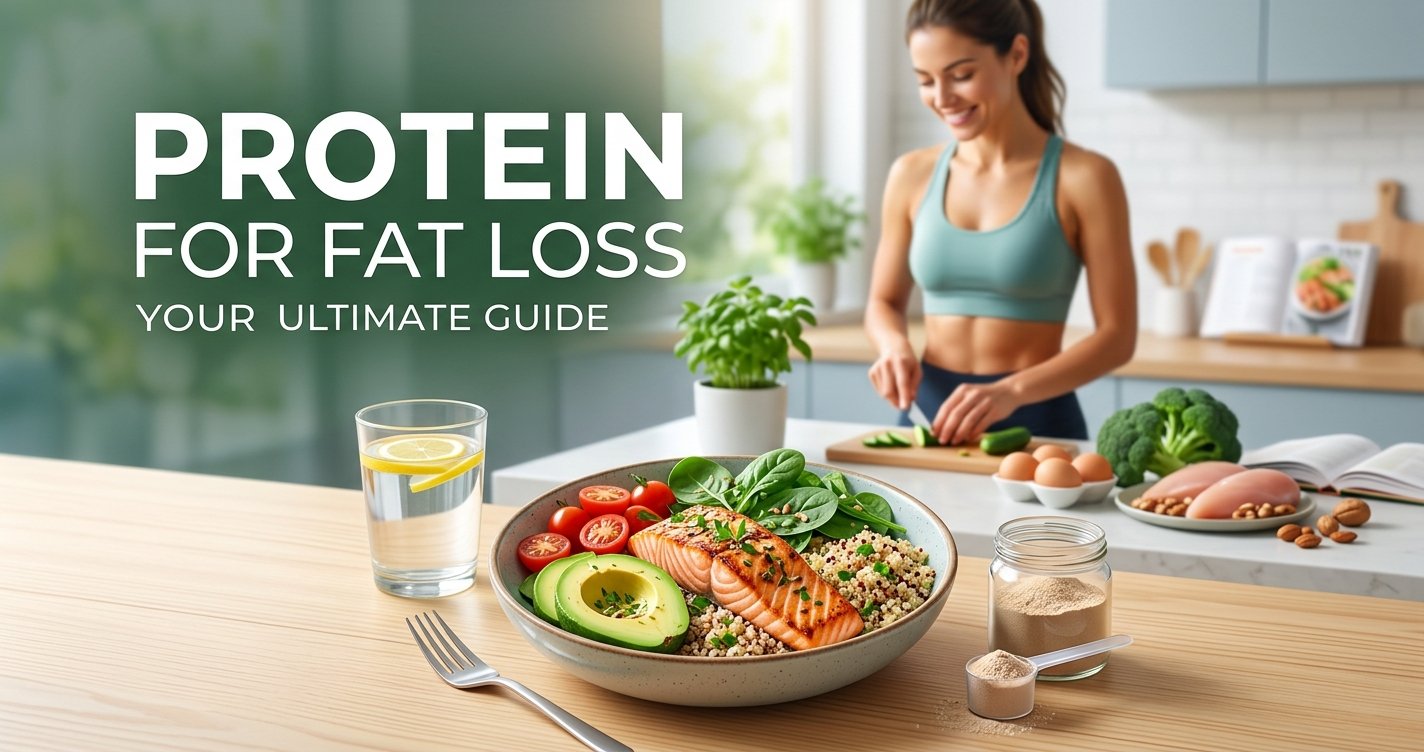
Are you tired of the endless cycle of crash diets, restrictive eating, and the frustrating rebound of lost weight? You're not alone. Many people embark on a fat loss journey with the best intentions, only to find themselves burnt out and no closer to their goals. What if there was a simpler, more sustainable, and incredibly effective strategy that not only helps you shed unwanted fat but also keeps you feeling full, energized, and preserves your precious muscle?
Enter protein – the unsung hero of sustainable fat loss. Often relegated to the realm of bodybuilders and athletes, protein is, in fact, your most powerful ally in achieving a leaner, stronger physique without deprivation. It's not just about building big muscles; it's about optimizing your body's natural fat-burning capabilities, controlling hunger, and maintaining a healthy metabolism. In this comprehensive guide, we'll dive deep into the science-backed reasons why protein is your ultimate MVP (Most Valuable Player) for fat loss and how you can harness its power to transform your body and your relationship with food. this excellent wellness product
Why Protein is Your Fat Loss MVP (Most Valuable Player)
When it comes to losing fat, most people instinctively think "eat less, move more." While a calorie deficit is fundamental, how you achieve that deficit and what you eat within it makes all the difference. Protein stands out because it tackles fat loss from multiple angles, offering benefits that carbohydrates and fats simply can't match. Its unique properties help you:
- Feel Fuller, Longer: Say goodbye to constant hunger pangs.
- Boost Your Metabolism: Burn more calories, even at rest.
- Preserve Muscle Mass: Ensure you're losing fat, not valuable muscle.
Let's break down the science behind these incredible benefits.
The Satiety Secret: Feeling Full, Eating Less
One of the biggest hurdles in any fat loss journey is hunger. That constant rumble in your stomach, the incessant cravings – they can derail even the most disciplined efforts. This is where protein shines brightest. Protein has a profound impact on satiety, meaning it keeps you feeling full and satisfied for longer periods compared to carbohydrates or fats.
How does it work? Protein influences several hormones that regulate hunger and fullness. It boosts levels of hormones like PYY and GLP-1, which signal satiety to your brain, while simultaneously reducing levels of ghrelin, the "hunger hormone." This hormonal interplay means that a high-protein meal can significantly reduce your appetite, leading to a natural decrease in overall calorie intake throughout the day.
Imagine eating a meal and feeling truly satisfied, without the urge to snack an hour later. That's the power of protein. By incorporating adequate protein into each meal, you'll find yourself less likely to overeat, make healthier food choices, and effortlessly maintain the calorie deficit needed for fat loss.
Metabolic Magic: The Thermic Effect of Food (TEF)
Did you know that your body burns calories just to digest, absorb, and process the food you eat? This phenomenon is known as the Thermic Effect of Food (TEF), and it's another area where protein outshines other macronutrients. While all foods require energy to process, protein demands significantly more.
Here's a quick comparison:
- Protein: Has a TEF of 20-30%, meaning 20-30% of the calories from protein are burned during digestion.
- Carbohydrates: Have a TEF of 5-10%.
- Fats: Have the lowest TEF, around 0-3%.
What does this mean for fat loss? If you eat 100 calories of protein, your body might use 20-30 of those calories just to process it, leaving fewer net calories for storage. Over the course of a day, and especially over weeks and months, this "metabolic boost" from a higher protein intake can contribute significantly to your overall calorie expenditure, making fat loss a more efficient process.
Think of it as a small, continuous internal workout happening every time you eat protein. It's a subtle but powerful advantage in your fat loss journey.
Muscle Matters: Preserving Lean Mass While Losing Fat
When you're trying to lose weight, the goal isn't just to see the number on the scale go down; it's to lose fat while preserving as much lean muscle mass as possible. Why? Because muscle is metabolically active – it burns more calories at rest than fat does. Losing muscle along with fat can slow down your metabolism, making it harder to keep the weight off in the long run and leading to a "skinny fat" appearance.
Protein is absolutely crucial here. When you're in a calorie deficit, your body might look for energy from various sources, including your muscles. Consuming sufficient protein provides your body with the essential amino acids it needs to repair and build muscle tissue. This signals to your body that you want to hold onto your muscle, even as you're shedding fat.
Pairing a high-protein diet with resistance training is the gold standard for body recomposition – losing fat while gaining or maintaining muscle. This synergistic approach ensures that your metabolism stays robust, your body composition improves, and you achieve a more toned and defined physique.
How Much Protein Do You Really Need for Fat Loss?
Now that you understand why protein is so important, the next logical question is, "How much do I need?" The recommendations for protein intake vary widely depending on activity level, age, and goals. For general health, the Recommended Dietary Allowance (RDA) is 0.8 grams of protein per kilogram of body weight (0.36 grams per pound).
However, for optimal fat loss and muscle preservation, especially while in a calorie deficit, research suggests a significantly higher intake. Most studies recommend:
- For active individuals aiming for fat loss: 1.6 to 2.2 grams of protein per kilogram of body weight per day (approximately 0.7 to 1 gram per pound of body weight).
For example, if you weigh 70 kg (about 154 lbs), you'd aim for roughly 112-154 grams of protein per day. If you weigh 180 lbs, that would be around 126-180 grams.
Spreading your protein intake evenly throughout the day, aiming for 20-40 grams per meal and snack, is also a highly effective strategy to maximize muscle protein synthesis and satiety.
Protein Power-Up: Easy Ways to Boost Your Intake
Integrating more protein into your diet doesn't have to be complicated or bland. Here are practical, delicious ways to power up your protein intake:
Prioritize Protein at Every Meal
- Breakfast: Instead of sugary cereals or pastries, opt for eggs, Greek yogurt, cottage cheese, a protein smoothie, or add lean sausage/bacon.
- Lunch & Dinner: Build your plate around a lean protein source. Think chicken breast, fish, lean beef, turkey, tofu, tempeh, or legumes. Aim for a palm-sized portion or more.
Smart Snacking
- Don't let hunger strike between meals unprepared. Keep protein-rich snacks handy: hard-boiled eggs, a handful of almonds, string cheese, Greek yogurt, cottage cheese, jerky, or a small protein shake.
Embrace Versatile Protein Sources
- Animal Sources:
- Lean Meats: Chicken breast, turkey, lean beef cuts (sirloin, flank), pork loin.
- Fish: Salmon, tuna, cod, tilapia, sardines (rich in omega-3s too!).
- Eggs: A complete protein, versatile, and affordable.
- Dairy: Greek yogurt (high protein, low sugar options), cottage cheese, milk, cheese.
- Plant-Based Sources:
- Legumes: Lentils, chickpeas, black beans, kidney beans.
- Soy Products: Tofu, tempeh, edamame (excellent complete proteins).
- Nuts & Seeds: Almonds, peanuts, chia seeds, flax seeds, hemp seeds (also healthy fats).
- Grains: Quinoa, oats (contain more protein than refined grains).
- Protein Powders: Whey, casein, soy, pea, rice protein can be a convenient way to boost intake, especially post-workout or for quick meals.
Meal Prep for Success
Dedicate some time each week to prepare protein sources in advance. Cook a batch of chicken or hard-boil eggs so you have quick additions to salads, wraps, or as standalone snacks.
Putting It All Together: Your Protein-Powered Fat Loss Plan
Integrating more protein into your diet is a powerful, evidence-based strategy for sustainable fat loss. It's not about magic pills or extreme deprivation; it's about smart nutrition that works with your body, not against it. By prioritizing protein, you're giving yourself the best chance to:
- Control hunger and reduce cravings.
- Boost your metabolism naturally.
- Preserve muscle and achieve a toned physique.
- Feel more energetic and satisfied throughout your day.
Remember, fat loss is a journey that involves more than just one factor. While protein is incredibly powerful, combine it with a balanced diet rich in whole foods, plenty of vegetables, adequate hydration, regular physical activity (including strength training!), and sufficient sleep for the best results.
Ready to Transform Your Approach to Fat Loss?
Stop chasing quick fixes and embrace a strategy that truly works. Start incorporating more protein into your meals today. Experiment with different sources, find what you enjoy, and make it a delicious, integral part of your daily routine. Your body will thank you, and you'll be well on your way to achieving sustainable fat loss and a healthier, stronger you.