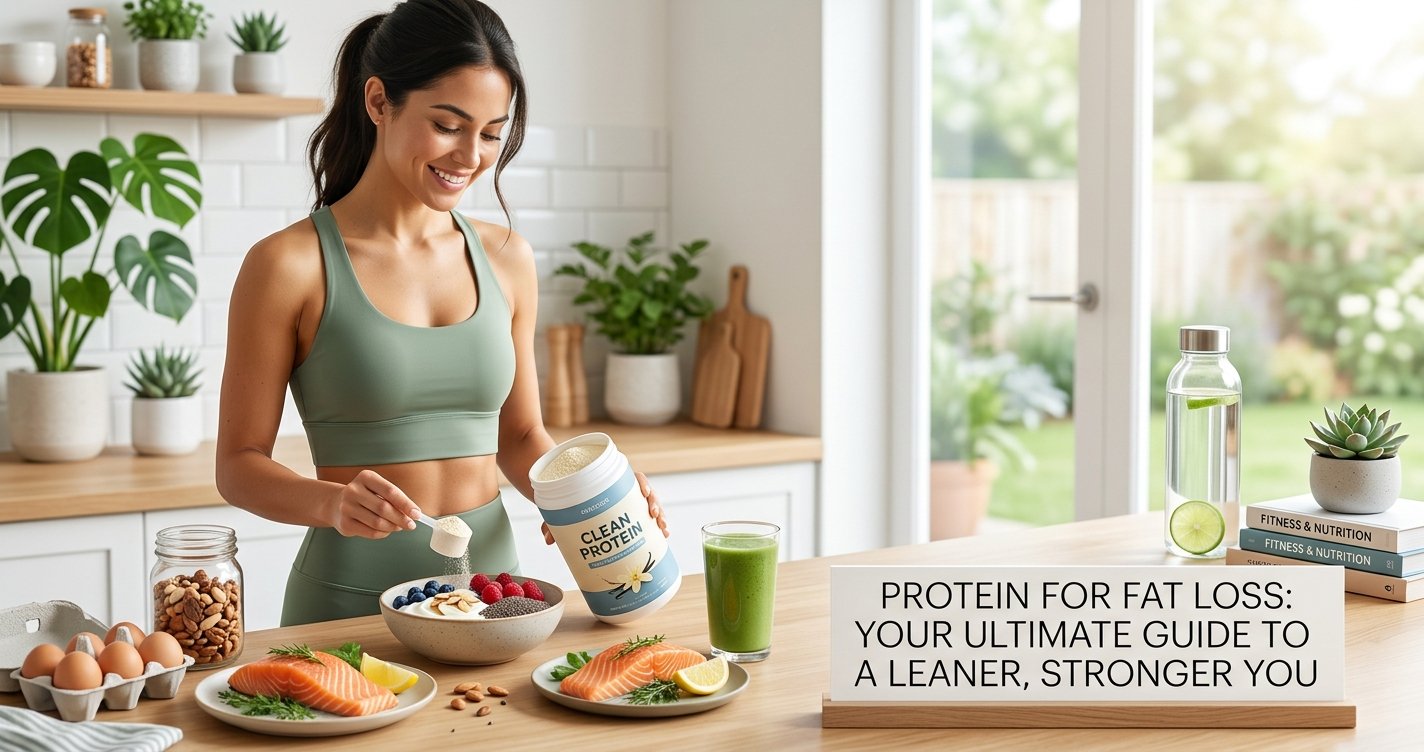
Hey there, fitness friend! Are you on a journey to shed some unwanted fat, feel more energized, and build a stronger, healthier body? If so, you've probably heard a lot about different diets and exercise routines. But what if we told you there's one powerful nutrient that often doesn't get the spotlight it deserves, yet plays a monumental role in effective and sustainable fat loss? We're talking about protein!
Forget the old myths that protein is just for bodybuilders. Protein is your secret weapon, a nutritional powerhouse that can transform your body composition, boost your metabolism, keep you feeling full, and help you preserve precious muscle mass while you're losing fat. It’s not just about losing weight; it’s about losing fat and building a more resilient you. this excellent wellness product
In this comprehensive guide, we'll dive deep into the science-backed reasons why protein is an absolute game-changer for fat loss. We’ll cover how much you really need, the best sources to fuel your body, and practical strategies to seamlessly integrate more protein into your daily life. Get ready to unlock the full potential of protein and pave your way to a leaner, stronger, and more vibrant you!
Why Protein Reigns Supreme for Fat Loss
When it comes to fat loss, creating a calorie deficit is crucial. But how you achieve that deficit and what you eat within it makes all the difference. This is where protein steps in, offering a unique set of advantages that other macronutrients simply can't match.
The Satiety Factor: Feeling Fuller, Longer
One of the biggest challenges in a fat loss journey is managing hunger and cravings. This is where protein truly shines! Protein is renowned for its ability to increase satiety, meaning it helps you feel full and satisfied for longer periods compared to carbohydrates or fats. This isn't just a feeling; it's backed by science.
When you consume protein, it triggers the release of specific hormones in your gut, such as cholecystokinin (CCK) and glucagon-like peptide-1 (GLP-1), which signal fullness to your brain. It also helps to suppress ghrelin, the 'hunger hormone.' By keeping you feeling satiated, protein naturally reduces your overall calorie intake throughout the day, making it easier to stick to your fat loss goals without feeling deprived.
Boost Your Metabolism: The Thermic Effect of Food (TEF)
Did you know that your body burns calories just by digesting and processing the food you eat? This is known as the Thermic Effect of Food (TEF), and protein has the highest TEF of all macronutrients. Approximately 20-30% of the calories you consume from protein are used up during its digestion and absorption. Compare this to carbohydrates (5-10%) and fats (0-3%), and you can see protein's metabolic advantage.
By increasing your protein intake, you're essentially giving your metabolism a small but significant boost around the clock. Over time, this cumulative effect can contribute to a greater calorie deficit and more efficient fat burning, even at rest!
Preserve Muscle, Burn Fat: The Anti-Catabolic Power
When you're in a calorie deficit, your body doesn't just burn fat; it can also break down muscle tissue for energy. Losing muscle is counterproductive to fat loss goals because muscle is metabolically active – it burns more calories at rest than fat does. This is where adequate protein intake becomes absolutely critical.
Protein provides the essential amino acids your body needs to repair and build muscle tissue. By ensuring you get enough protein, especially when combined with resistance training, you signal to your body to preserve your lean muscle mass while primarily tapping into fat stores for energy. This leads to a more favorable body composition: less fat, more muscle, and a more toned physique.
Curb Cravings and Prevent Snacking
Beyond general satiety, protein plays a key role in stabilizing blood sugar levels. Unlike simple carbohydrates that can cause rapid spikes and crashes, protein digests more slowly, leading to a gradual and sustained release of energy. This helps prevent those dreaded energy slumps and the subsequent intense cravings for sugary, high-calorie snacks.
By incorporating protein into every meal and snack, you create a more stable internal environment, reducing the likelihood of impulsive eating and making it easier to make healthier food choices throughout your day.
How Much Protein Do You Really Need for Fat Loss?
This is a common question, and the answer isn't a one-size-fits-all. However, for active individuals aiming for fat loss, the recommendations are generally higher than the standard dietary guidelines.
General Guidelines vs. Individual Needs
While the Recommended Dietary Allowance (RDA) for protein is 0.8 grams per kilogram of body weight, this is merely the minimum to prevent deficiency, not necessarily optimal for fat loss or muscle building.
- For Fat Loss: Most evidence suggests that a protein intake ranging from 1.6 to 2.2 grams per kilogram of body weight (or 0.7 to 1 gram per pound of body weight) is optimal. This higher range helps maximize satiety, preserve muscle mass, and boost the thermic effect of food.
- Higher Activity Levels: If you're particularly active, engage in intense strength training, or are an athlete, you might benefit from the higher end of this range, or even slightly above, to support recovery and adaptation.
- Calorie Deficit: When in a significant calorie deficit, a higher protein intake can be even more crucial to prevent muscle loss.
Calculating Your Target
Let's say you weigh 70 kg (about 154 lbs) and are aiming for fat loss. A good starting point would be around 1.8 grams of protein per kilogram:
70 kg * 1.8 g/kg = 126 grams of protein per day.
If you prefer using pounds: 154 lbs * 0.8 g/lb = 123.2 grams of protein per day. As you can see, the numbers are quite similar.
Don't get too caught up in hitting an exact number every single day; aim for a consistent range. Consistency over perfection is key!
Smart Strategies to Boost Your Protein Intake
Now that you know why protein is so important and how much you might need, let's talk about practical ways to incorporate more of it into your diet without feeling overwhelmed.
Prioritize Protein at Every Meal
Instead of just adding protein, try making it the centerpiece of your meals. Think about your protein source first, then build the rest of your meal around it with healthy carbs and fats.
- Breakfast: Scrambled eggs, Greek yogurt with berries, cottage cheese, protein smoothie.
- Lunch: Grilled chicken salad, lentil soup, tuna sandwich on whole wheat, leftover lean meat.
- Dinner: Baked salmon with veggies, lean ground turkey stir-fry, bean and rice bowl, tofu curry.
Smart Snacking Choices
Snacks are a perfect opportunity to boost your protein intake and keep hunger at bay between meals.
- Hard-boiled eggs
- A handful of almonds or walnuts
- Greek yogurt (plain, unsweetened)
- Cottage cheese
- Jerky or biltong (check for low sugar options)
- Protein bar (choose wisely, look for low sugar, high protein)
- Edamame
Lean Protein Sources You'll Love
Variety is the spice of life, and it also ensures you get a wide range of essential nutrients. Here are some top-notch protein sources:
- Animal Sources: Chicken breast, turkey, lean beef, pork loin, fish (salmon, tuna, cod), eggs, dairy (milk, Greek yogurt, cottage cheese).
- Plant Sources: Lentils, beans (black beans, chickpeas, kidney beans), tofu, tempeh, edamame, quinoa, nuts, seeds (chia, hemp, flax), spirulina.
Aim to include a mix of both animal and plant-based proteins if your diet allows, as they offer different nutrient profiles.
When Supplements Make Sense
While whole foods should always be your primary source of protein, supplements can be a convenient and effective way to meet your daily targets, especially if you have a busy lifestyle or specific dietary restrictions.
- Whey Protein: Fast-digesting, great post-workout.
- Casein Protein: Slow-digesting, good before bed.
- Plant-Based Proteins: Pea, rice, hemp, or mixed plant protein powders are excellent options for vegans or those with dairy sensitivities.
Remember, supplements are designed to supplement your diet, not replace whole foods. Always prioritize nutrient-dense whole foods first.
Common Protein Mistakes to Avoid
Even with the best intentions, it's easy to make a few missteps on your protein journey. Being aware of these can help you optimize your results.
Not Distributing Protein Evenly
Many people front-load their protein at dinner. However, research suggests that spreading your protein intake throughout the day (e.g., 20-40 grams per meal) is more effective for muscle protein synthesis and satiety.
Over-relying on Supplements
While convenient, don't let protein shakes replace the nutritional benefits of whole foods. Whole foods come packed with fiber, vitamins, and minerals that supplements often lack.
Forgetting Fiber and Micronutrients
Focusing solely on protein can sometimes lead to neglecting other crucial nutrients. Ensure your diet remains balanced with plenty of fruits, vegetables, and whole grains to provide fiber, vitamins, and minerals essential for overall health and digestion.
Putting It All Together: A Sample Day of High-Protein Eating
Here’s a quick example of what a high-protein day for fat loss could look like:
- Breakfast: Greek yogurt (1 cup) with a scoop of protein powder and a handful of berries.
- Snack: Hard-boiled eggs (2) or a small handful of almonds.
- Lunch: Large salad with 4-6 oz grilled chicken breast, mixed greens, veggies, and a light vinaigrette.
- Snack: Cottage cheese (1/2 cup) with sliced cucumber.
- Dinner: 5-6 oz baked salmon with roasted broccoli and quinoa (1/2 cup cooked).
This provides a good amount of protein distributed throughout the day, ensuring you stay full and support your body's needs.
Your Leaner, Stronger Future Starts Now!
There you have it! Protein isn't just another buzzword in the fitness world; it's a fundamental pillar of effective and sustainable fat loss. By understanding its incredible benefits – from boosting satiety and metabolism to preserving muscle – you're now equipped with powerful knowledge to transform your body.
Remember, small, consistent changes lead to big results. Start by consciously adding a quality protein source to every meal, experiment with new recipes, and listen to your body. You don't need to overhaul your entire diet overnight. Focus on progress, not perfection.
Embrace the power of protein, pair it with consistent movement, and watch as you build a leaner, stronger, and more confident you. You've got this, and your body will thank you for it!