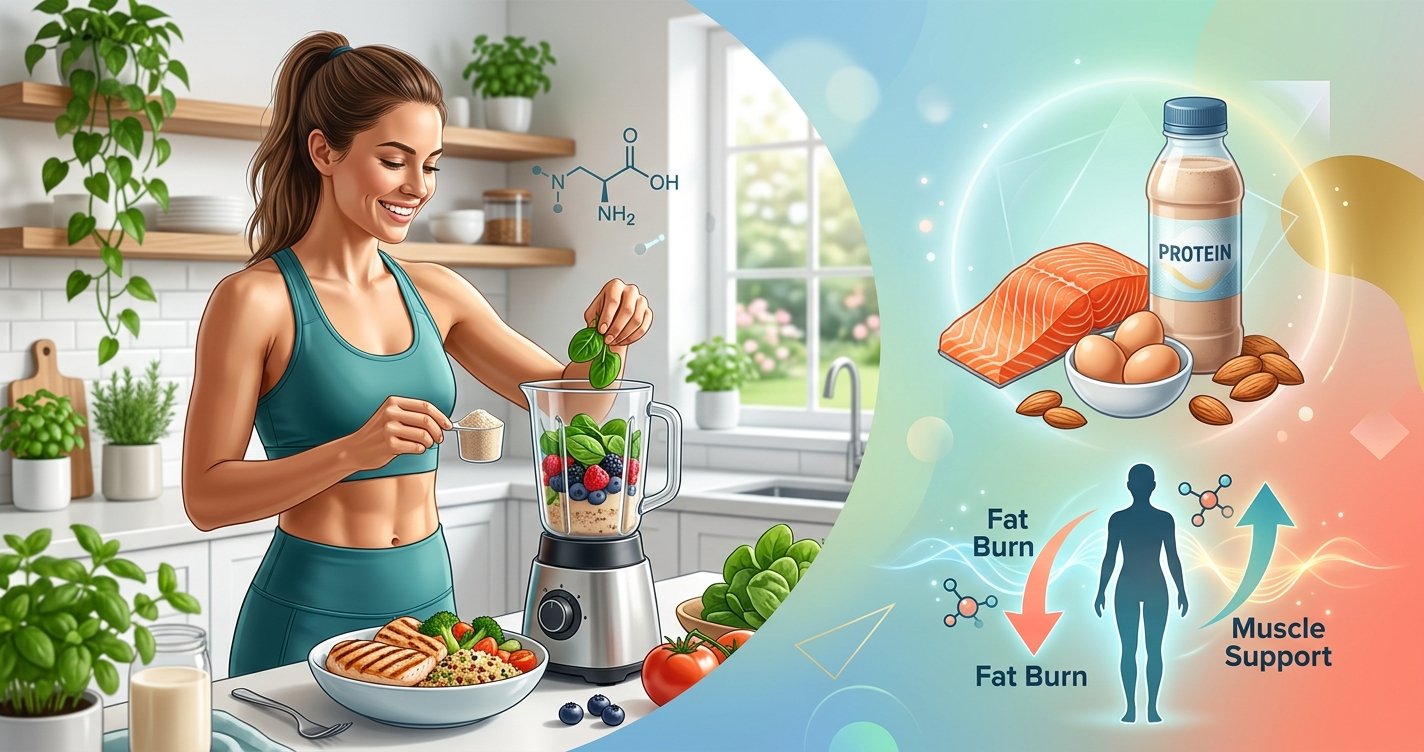
Introduction: Why Protein is Your Secret Weapon for Sustainable Fat Loss
Ever felt like fat loss is an uphill battle? You cut calories, you exercise, yet the scale barely budges, or worse, you feel constantly hungry and depleted. What if we told you there's a powerful, science-backed nutrient that can make your fat loss journey not just more effective, but also more enjoyable and sustainable? Enter protein!
Protein isn't just for bodybuilders; it's a critical macronutrient that plays a starring role in nearly every bodily function, including metabolism, muscle repair, and hormone production. When it comes to shedding unwanted fat, protein is a game-changer. It helps you feel fuller for longer, boosts your metabolism, and protects your precious muscle mass while you're in a calorie deficit. In this comprehensive guide, we'll dive deep into the evidence-based reasons why protein is your ultimate ally in achieving and maintaining a leaner, healthier you. this excellent wellness product
The Undeniable Power of Protein in Your Fat Loss Journey
Let's break down the key ways protein actively supports your fat loss goals, turning a challenging process into a more manageable and successful one.
The Satiety Superstar: Feeling Fuller, Longer
One of the biggest hurdles in fat loss is battling hunger and cravings. This is where protein shines! Protein is known for its incredible ability to increase satiety, meaning it keeps you feeling full and satisfied for longer periods compared to carbohydrates or fats. How does it work?
- Hormonal Impact: Protein influences the release of gut hormones like PYY and GLP-1, which signal fullness to your brain, while simultaneously reducing ghrelin, the 'hunger hormone'.
- Reduced Snacking: By keeping hunger at bay, protein helps you naturally reduce your overall calorie intake by preventing mindless snacking and overeating at meals.
Imagine going about your day without the constant gnawing feeling of hunger. That's the power of prioritizing protein!
Fueling Your Metabolism: The Thermic Effect of Food (TEF)
Did you know your body burns calories just to digest and process the food you eat? This is called the Thermic Effect of Food (TEF), and protein has the highest TEF of all macronutrients. While fats have a TEF of 0-3% and carbohydrates have 5-10%, protein boasts a TEF of 20-30%. This means:
- For every 100 calories of protein you consume, your body burns 20-30 calories just to process it.
- This significantly contributes to your daily calorie expenditure, giving you a metabolic advantage without even hitting the gym!
It's like getting a mini-workout every time you eat protein-rich foods!
Preserving Muscle, Burning Fat: The Lean Mass Protector
When you're in a calorie deficit (eating fewer calories than you burn), your body needs to find energy from somewhere. Ideally, you want it to come from stored body fat. However, without adequate protein, your body might start breaking down muscle tissue for energy, which is counterproductive to fat loss. Here's why:
- Muscle is Metabolically Active: Muscle tissue burns more calories at rest than fat tissue. Losing muscle means a slower metabolism, making sustained fat loss harder in the long run.
- Muscle Protein Synthesis (MPS): Protein provides the amino acids necessary for muscle protein synthesis, the process of building and repairing muscle. A higher protein intake helps you maintain or even build muscle while losing fat, ensuring your metabolism stays revved up.
By protecting your lean muscle mass, protein ensures that the weight you lose is predominantly fat, not valuable muscle.
How Much Protein Do You Really Need for Optimal Fat Loss?
While general dietary guidelines often suggest a lower protein intake, research indicates that higher protein levels are beneficial for fat loss, especially when in a calorie deficit.
General Guidelines vs. Individual Needs
For fat loss, a common recommendation is to aim for 1.6 to 2.2 grams of protein per kilogram of body weight (or 0.7 to 1 gram per pound of body weight) daily. This range is a good starting point for most active individuals looking to lose fat while preserving muscle.
Factors that might influence your specific needs include:
- Activity Level: More active individuals, especially those engaging in strength training, may benefit from the higher end of the spectrum.
- Age: Older adults may need slightly more protein to combat age-related muscle loss (sarcopenia).
- Current Body Composition: If you have a higher percentage of body fat, using your lean body mass for calculation can be more precise, but total body weight is a simpler and effective starting point for most.
Calculating Your Target
Let's say you weigh 70 kg (about 154 lbs). Aiming for 1.8g/kg would mean 70 kg * 1.8 g/kg = 126 grams of protein per day. If you weigh 180 lbs, that's roughly 180 lbs * 0.8 g/lb = 144 grams of protein per day.
Don't get too bogged down by exact numbers initially. The goal is to consistently increase your intake from your current levels.
Smart Strategies to Boost Your Protein Intake Effortlessly
Now that you know why protein is so important, let's talk about how to easily incorporate more of it into your daily diet.
Prioritize Whole Food Protein Sources
The foundation of a high-protein diet should always be whole, unprocessed foods. These not only provide protein but also essential vitamins, minerals, and fiber.
- Lean Meats: Chicken breast, turkey, lean beef, pork tenderloin.
- Fish and Seafood: Salmon, tuna, cod, shrimp, tilapia.
- Eggs: A complete protein powerhouse, versatile and affordable.
- Dairy: Greek yogurt, cottage cheese, milk, cheese (in moderation).
- Legumes: Lentils, chickpeas, black beans (also provide fiber!).
- Plant-Based Options: Tofu, tempeh, edamame, seitan, quinoa.
Aim to include a good source of protein at every meal.
Strategic Snacking and Supplements
If reaching your protein target feels challenging through meals alone, smart snacking and supplements can be incredibly helpful.
- Protein-Rich Snacks: Hard-boiled eggs, a handful of almonds, a scoop of cottage cheese with fruit, protein bars (check labels for sugar content), or a small Greek yogurt.
- Protein Powders: Whey, casein, or plant-based (pea, rice, soy) protein powders are convenient for shakes, smoothies, or mixed into oatmeal. They are excellent for post-workout recovery or as a quick meal replacement when you're on the go.
Remember, supplements should complement your whole food intake, not replace it entirely.
Spreading It Out: Optimizing Absorption and MPS
Instead of trying to consume all your protein in one or two large meals, aim to distribute your intake throughout the day. Research suggests that consuming 20-40 grams of protein per meal, spread across 3-5 meals, is optimal for maximizing muscle protein synthesis and keeping you satiated.
For example, a typical day might look like:
- Breakfast: Eggs and Greek yogurt (30g protein)
- Lunch: Chicken salad (40g protein)
- Snack: Cottage cheese (20g protein)
- Dinner: Salmon and lentils (40g protein)
This approach helps ensure a steady supply of amino acids, supporting muscle preservation and preventing hunger pangs.
Beyond Protein: Integrating for Optimal Results
While protein is a superstar, it's part of a winning team. For truly effective and sustainable fat loss, integrate protein with these other crucial elements:
- Calorie Deficit: Protein makes achieving a calorie deficit easier by boosting satiety and metabolism, but you still need to consume fewer calories than you burn.
- Strength Training: Lifting weights is paramount for building and preserving muscle mass, which works synergistically with high protein intake to sculpt your physique and boost your metabolism.
- Hydration: Drink plenty of water throughout the day. Sometimes thirst can be mistaken for hunger.
- Adequate Sleep: Poor sleep can disrupt hunger hormones and increase cravings, sabotaging your efforts.
- Mindset & Consistency: Fat loss is a journey, not a race. Be patient, be consistent, and celebrate small victories.
Your Protein-Powered Fat Loss Journey Starts Now!
Embracing a higher protein intake is one of the most impactful, evidence-based strategies you can adopt for successful and sustainable fat loss. It's not about restrictive diets or endless hours on the treadmill; it's about smart nutrition that works with your body, not against it.
By prioritizing protein, you'll feel fuller, burn more calories, protect your muscle, and ultimately, transform your body composition more effectively. Start by making small, consistent changes: add an extra egg to breakfast, choose Greek yogurt for a snack, or ensure a lean protein source is the star of your dinner plate. Your body will thank you!
Remember, while this guide provides robust, evidence-based information, individual needs can vary. If you have specific health conditions or dietary concerns, it's always wise to consult with a healthcare professional or a registered dietitian before making significant dietary changes.