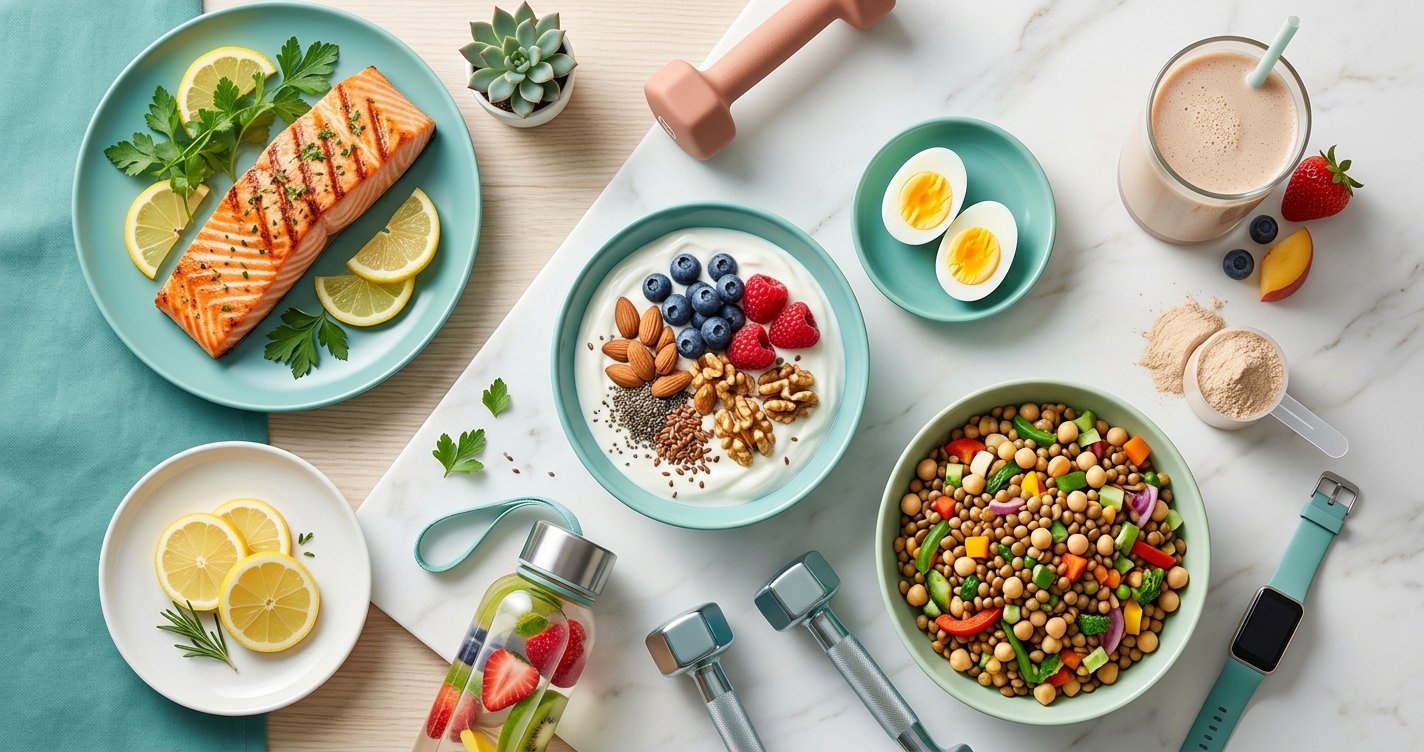
Are you tired of restrictive diets that promise quick fixes but leave you feeling hungry, deprived, and ultimately, right back where you started? You're not alone. Many fat loss journeys falter because they focus solely on calorie restriction without considering the quality and impact of those calories. But what if there was a powerful, science-backed nutrient that could make your fat loss journey smoother, more satisfying, and truly sustainable? Enter protein, your unsung hero in the quest for a leaner, healthier you.
Forget the fads and fleeting trends. Today, we're diving deep into the evidence-based benefits of protein for fat loss, exploring how this macronutrient can transform your body composition, boost your metabolism, and keep those stubborn hunger pangs at bay. Get ready to discover why prioritizing protein isn't just a suggestion, but a fundamental strategy for lasting success. this excellent wellness product
Why Protein is Your Secret Weapon for Fat Loss
Protein isn't just for bodybuilders; it's a vital nutrient for everyone, especially when you're aiming to shed excess body fat. Its unique properties work synergistically to support your fat loss goals in multiple powerful ways.
The Satiety Factor: Feeling Fuller, Longer
One of the biggest hurdles in any fat loss journey is managing hunger. Cravings and constant feelings of emptiness can quickly derail even the most determined efforts. This is where protein shines! Research consistently shows that protein is the most satiating macronutrient, meaning it keeps you feeling full and satisfied for longer compared to carbohydrates or fats. When you incorporate adequate protein into your meals, you're less likely to overeat, snack unnecessarily, or succumb to those tempting high-calorie treats. This natural reduction in overall calorie intake, driven by satiety, is a cornerstone of sustainable fat loss.
Boosting Your Metabolism: The Thermic Effect of Food (TEF)
Did you know that your body actually burns calories just to digest, absorb, and metabolize the food you eat? This phenomenon is called the Thermic Effect of Food (TEF), and protein has the highest TEF of all macronutrients. Approximately 20-30% of the calories from protein are burned during its digestion, compared to 5-10% for carbohydrates and a mere 0-3% for fats. This means that a high-protein diet essentially gives your metabolism a mini-boost throughout the day, helping you burn more calories without even trying. It's like having a tiny internal furnace working overtime!
Protecting Your Gains: Muscle Preservation During Weight Loss
When you lose weight, especially through calorie restriction, there's always a risk of losing not just fat, but also valuable muscle mass. This is problematic because muscle tissue is metabolically active, meaning it burns more calories at rest than fat tissue. Losing muscle can slow down your metabolism, making it harder to maintain weight loss in the long run. A higher protein intake helps to signal your body to preserve lean muscle mass while you're in a caloric deficit, ensuring that the weight you're losing is predominantly fat. This is crucial for maintaining a healthy metabolism and achieving a toned, sculpted physique.
How Much Protein Do You Really Need? (The Numbers Game)
So, you're convinced protein is key, but how much should you actually be aiming for? The answer isn't one-size-fits-all, but we can provide some evidence-based guidelines.
General Guidelines vs. Individual Needs
For general health, the recommended dietary allowance (RDA) for protein is 0.8 grams per kilogram of body weight. However, for active individuals or those specifically aiming for fat loss, this amount is often insufficient. Most research suggests that a protein intake of 1.6 to 2.2 grams of protein per kilogram of body weight is optimal for supporting fat loss, satiety, and muscle preservation. For example, if you weigh 70 kg (about 154 lbs), aiming for 112-154 grams of protein per day would be a great target.
If you prefer to think in terms of body weight in pounds, a good rule of thumb is 0.7 to 1 gram of protein per pound of desired body weight or current body weight. Experiment within this range to find what makes you feel best and supports your goals.
Spreading Your Protein Intake Throughout the Day
It's not just about total daily protein; how you distribute it matters too. Instead of front-loading your protein or saving it all for dinner, aim to include a substantial amount of protein (e.g., 20-40 grams) in each of your main meals and snacks. This consistent intake helps to maximize muscle protein synthesis, maintain satiety, and keep your metabolism ticking efficiently throughout the day.
Smart Protein Choices: Fueling Your Body Right
Now that you know how much protein to aim for, let's talk about where to get it. The good news is, there's a vast array of delicious and nutritious protein sources available.
Lean Meats, Poultry, and Fish
- Chicken and Turkey Breast: Excellent lean protein sources, versatile for countless dishes.
- Lean Beef and Pork: Opt for leaner cuts like sirloin, tenderloin, or extra-lean ground options.
- Fish and Seafood: Salmon, tuna, cod, shrimp, and tilapia are packed with protein and often beneficial omega-3 fatty acids.
Dairy and Eggs
- Eggs: A complete protein source, incredibly versatile and affordable.
- Greek Yogurt: High in protein and often probiotics, perfect for breakfast or snacks.
- Cottage Cheese: Another dairy powerhouse, great on its own or with fruit.
- Milk: A good source of protein, especially fortified varieties.
Plant-Based Powerhouses
- Legumes: Lentils, chickpeas, black beans, and kidney beans offer protein and fiber.
- Tofu and Tempeh: Versatile soy products that absorb flavors well.
- Edamame: Great for snacking or adding to salads.
- Quinoa: A complete protein grain, excellent as a side dish.
- Nuts and Seeds: Almonds, peanuts, chia seeds, and flax seeds provide protein, healthy fats, and fiber (though protein content per serving can be lower than other sources).
The Role of Protein Supplements (and when they're useful)
While whole foods should always be your primary source of protein, supplements like whey, casein, or plant-based protein powders can be incredibly convenient. They are particularly useful for:
- Busy schedules when cooking a full meal isn't feasible.
- Post-workout recovery to quickly deliver amino acids to muscles.
- Helping you reach your daily protein targets without adding excessive calories from other macronutrients.
Always choose high-quality supplements and remember they are meant to supplement, not replace, a balanced diet.
Practical Tips for Upping Your Protein Intake Effortlessly
Integrating more protein into your diet doesn't have to be complicated. Here are some simple, actionable tips:
Breakfast Boosters
- Start your day with eggs (scrambled, boiled, or an omelet).
- Add a scoop of protein powder to your oatmeal or smoothie.
- Choose Greek yogurt over regular yogurt, and add nuts or seeds.
- Include cottage cheese with fruit.
Lunch & Dinner Hacks
- Always build your plate around a lean protein source (chicken, fish, tofu).
- Add beans or lentils to salads, soups, or stews.
- Swap out some pasta or rice for quinoa.
- Opt for grilled chicken or fish in wraps and sandwiches.
Smart Snacking
- Keep hard-boiled eggs on hand.
- Grab a handful of almonds or a protein bar.
- Enjoy a small container of cottage cheese or Greek yogurt.
- Dip veggies in hummus (chickpeas!).
Beyond Protein: Holistic Habits for Lasting Success
While protein is a powerful ally, sustainable fat loss is a symphony of healthy habits. Don't forget these other crucial elements:
Don't Forget the Fiber and Healthy Fats
Fiber, found in fruits, vegetables, and whole grains, further enhances satiety and supports digestive health. Healthy fats, like those in avocados, nuts, seeds, and olive oil, are essential for hormone production and overall well-being. A balanced approach that includes all three macronutrients is key.
Hydration, Sleep, and Stress Management
These lifestyle factors are often overlooked but play a massive role in fat loss. Adequate water intake helps with metabolism and satiety. Quality sleep (7-9 hours) regulates hormones that control hunger and fat storage. Managing stress reduces cortisol, a hormone linked to belly fat accumulation. Prioritize these foundational elements for optimal results.
Incorporating Strength Training
To truly maximize the benefits of a high-protein diet, combine it with regular strength training. Lifting weights helps build and maintain muscle mass, further boosting your metabolism and improving your body composition. Remember, the goal isn't just weight loss, but fat loss and a stronger, healthier you!
Embrace the Power of Protein for a Healthier, Leaner You!
You now have the knowledge and tools to harness the incredible power of protein for sustainable fat loss. By prioritizing this vital macronutrient, you'll feel fuller, boost your metabolism, protect your precious muscle, and set yourself up for long-term success. It's not about deprivation; it's about smart, satisfying nutrition that fuels your body and helps you achieve your goals.
Remember, consistency is key. Start by making small, manageable changes to increase your protein intake, incorporate whole foods, stay hydrated, get enough sleep, and move your body. Your journey to a leaner, healthier, and more vibrant you begins now. You've got this!