Are you tired of the endless cycle of crash diets and fleeting results? Do you dream of a fat loss journey that feels less like deprivation and more like empowerment? If so, you're in the right place! We're here to talk about a true game-changer in the world of fat loss: protein. Often hailed as the king of macronutrients, protein isn't just for bodybuilders; it's a vital component for anyone looking to achieve sustainable fat loss, boost their metabolism, and feel fantastic.
Forget the fads and quick fixes. This isn't about magic pills or extreme restrictions. This is about understanding the science-backed benefits of incorporating adequate protein into your daily diet, transforming your body from the inside out. Get ready to discover why protein is your ultimate ally in building a leaner, stronger, and healthier you. this excellent wellness product
Why Protein is Your Fat Loss MVP (Most Valuable Player)
When it comes to shedding unwanted fat and keeping it off, protein plays several crucial roles that no other macronutrient can quite match. Think of it as your multi-talented superstar, tackling different aspects of fat loss simultaneously.
- Satiety Superstar: Protein helps you feel full and satisfied for longer periods. This means fewer cravings, less mindless snacking, and ultimately, a reduced overall calorie intake without feeling deprived.
- Metabolism Booster: Your body expends more energy digesting protein than it does carbs or fats. This is known as the 'thermogenic effect of food' (TEF), and protein has the highest TEF among all macronutrients.
- Muscle Protector: During a calorie deficit, your body might try to break down muscle tissue for energy. Adequate protein intake helps preserve this precious muscle, which is crucial for a healthy, active metabolism.
Let's dive deeper into how these superpowers work to your advantage.
The Science Behind Protein's Satiety Superpower
Have you ever eaten a large bowl of pasta only to feel hungry again an hour later? Compare that to a meal rich in lean protein, like chicken and vegetables, where you likely feel satisfied for hours. This isn't just anecdotal; it's backed by solid science.
When you consume protein, it triggers the release of specific hormones in your gut, such as GLP-1 and PYY, which signal to your brain that you're full. Simultaneously, it helps to suppress ghrelin, the 'hunger hormone.' This powerful hormonal interplay reduces your appetite and helps stabilize blood sugar levels, preventing those sharp spikes and crashes that often lead to intense cravings and overeating. By keeping hunger at bay, protein empowers you to stick to your calorie goals more easily and consistently, making your fat loss journey smoother and more enjoyable.
Fueling Your Metabolism: Protein and Muscle Preservation
One of the biggest concerns during fat loss is losing muscle along with fat. Why is muscle so important? Because muscle tissue is metabolically active, meaning it burns more calories at rest than fat tissue does. The more muscle you have, the higher your resting metabolic rate (RMR), and the more calories you burn even when you're just sitting around.
When you're in a calorie deficit (eating fewer calories than you burn), your body can sometimes turn to muscle for energy, especially if protein intake is low. This is detrimental because it slows down your metabolism, making fat loss harder and increasing the likelihood of regaining weight once you stop dieting. Consuming enough protein, especially when combined with strength training, tells your body to prioritize burning fat for fuel while preserving or even building muscle. This dual action is key to a healthy, efficient metabolism and a more toned physique.
How Much Protein Do You Really Need for Fat Loss?
This is a common question, and the answer isn't a one-size-fits-all. The Recommended Dietary Allowance (RDA) for protein is 0.8 grams per kilogram of body weight, but this is a minimum to prevent deficiency, not necessarily optimal for fat loss or muscle preservation.
For active individuals and those aiming for fat loss, research suggests a higher intake is beneficial. A good general guideline is to aim for 1.6 to 2.2 grams of protein per kilogram of body weight per day. For example, a person weighing 70 kg (approximately 154 lbs) might aim for 112-154 grams of protein daily. If you're very active or older, you might benefit from the higher end of this range. Spread your protein intake throughout the day to maximize its benefits for satiety and muscle protein synthesis.
Example Calculation:
- Your Weight in kg: 70 kg
- Minimum for Fat Loss (1.6g/kg): 70 kg * 1.6 g/kg = 112 grams
- Optimal for Fat Loss (2.2g/kg): 70 kg * 2.2 g/kg = 154 grams
Remember, these are guidelines. Listen to your body and consult with a healthcare professional or registered dietitian for personalized advice.
Delicious Ways to Boost Your Protein Intake
Incorporating more protein into your diet doesn't have to be bland or boring. There's a vast array of delicious and versatile protein sources available:
- Lean Meats: Chicken breast, turkey, lean beef, pork loin.
- Fish and Seafood: Salmon, cod, tuna, shrimp, sardines (packed with healthy fats too!).
- Dairy: Greek yogurt, cottage cheese, milk, whey protein powder.
- Eggs: A complete protein powerhouse, perfect for any meal.
- Legumes: Lentils, chickpeas, black beans (great plant-based options).
- Plant-Based Proteins: Tofu, tempeh, edamame, seitan, plant-based protein powders.
- Nuts and Seeds: Almonds, peanuts, chia seeds, flax seeds (also provide healthy fats and fiber).
Don't be afraid to get creative! Add a scoop of protein powder to your morning smoothie, snack on Greek yogurt with berries, or top your salad with grilled chicken or chickpeas.
Smart Strategies for Integrating Protein into Every Meal
Making protein a priority isn't just about hitting a daily number; it's about smart distribution throughout your day to maximize its benefits. Here are some actionable tips:
1. Prioritize Protein at Breakfast
Starting your day with a protein-rich meal sets you up for success. It helps stabilize blood sugar, reduces mid-morning cravings, and keeps you feeling full until lunch. Think scrambled eggs, Greek yogurt with nuts, or a protein smoothie instead of sugary cereals or pastries.
2. Make Protein the Star of Every Meal
When planning your meals, always think about your protein source first. Build your plate around a generous portion of lean protein, then add in fibrous vegetables and healthy carbohydrates.
3. Don't Forget Protein-Packed Snacks
If you get hungry between meals, opt for protein-rich snacks like hard-boiled eggs, a handful of almonds, cottage cheese, or a small protein shake. These will keep you satisfied and prevent you from reaching for less healthy options.
4. Meal Prep for Success
Dedicate some time each week to prepare protein sources in advance. Cook a batch of chicken breast, hard-boil eggs, or portion out some Greek yogurt. This makes healthy eating effortless during busy weekdays.
5. Combine Protein with Fiber and Healthy Fats
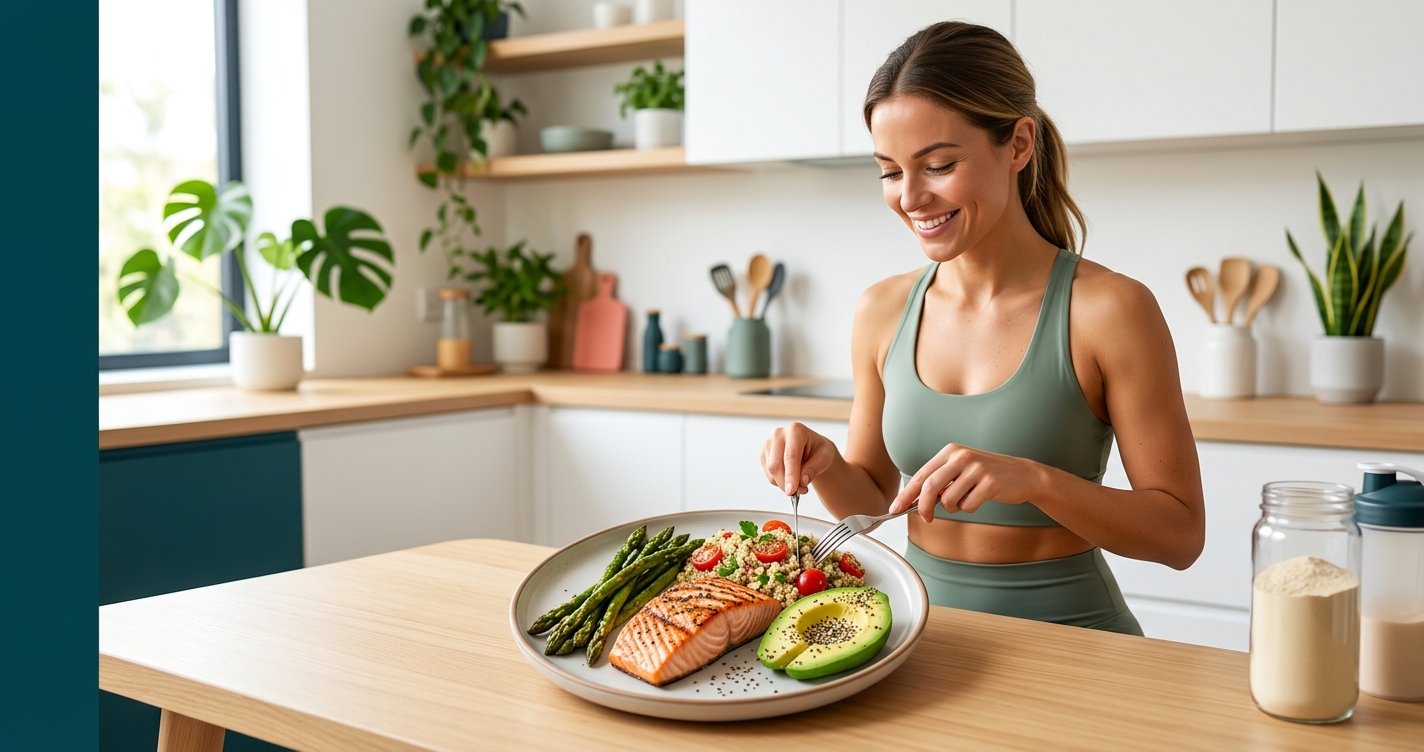
Pairing protein with fiber-rich vegetables and healthy fats further enhances satiety and nutrient absorption. A meal of grilled salmon, roasted broccoli, and a side of quinoa is a perfect example.
Your Sustainable Fat Loss Journey Starts Now!
Embracing the power of protein is one of the most effective and sustainable strategies you can adopt for fat loss. It’s not about deprivation; it’s about smart nutrition that supports your body’s natural processes. By prioritizing protein, you’ll feel fuller, boost your metabolism, preserve precious muscle, and ultimately, achieve a leaner, stronger, and more vibrant you.
Remember, consistency is key. Start by making small, manageable changes. Focus on adding a protein source to every meal and snack, and gradually increase your intake towards the recommended guidelines. You'll be amazed at the difference it makes not just in your physique, but in your energy levels and overall well-being. Here's to a healthier, happier you!