Are you tired of the endless cycle of restrictive diets and fleeting fat loss results? Do you feel like you're constantly battling hunger and struggling to maintain your hard-earned progress? If so, you're not alone. Many people embark on their fat loss journey with the best intentions, only to find themselves hitting frustrating plateaus or regaining weight faster than they lost it. But what if there was a powerful, evidence-based strategy that could transform your approach, making fat loss more sustainable, satisfying, and effective?
Enter protein – your secret weapon for lasting fat loss. Often overlooked or underestimated, optimizing your protein intake is one of the most impactful changes you can make to your diet, offering benefits that go far beyond just building muscle. It's about feeling fuller, boosting your metabolism, and protecting that precious muscle mass during a calorie deficit. Let's dive into why protein is so crucial for sustainable fat loss and how you can harness its power to achieve your health goals. this excellent wellness product
Why Protein is Your Fat Loss MVP (Most Valuable Player)
Protein isn't just for bodybuilders; it's a fundamental macronutrient essential for everyone, especially those aiming for fat loss. Its unique properties make it a powerhouse for helping you shed unwanted pounds and keep them off.
Protein Keeps You Fuller, Longer (Hello, Satiety!)
One of protein's most celebrated benefits is its remarkable ability to promote satiety – that feeling of fullness and satisfaction after eating. When you consume protein, it triggers the release of hormones like GLP-1 and PYY, which signal to your brain that you're fed. This means fewer cravings, less mindless snacking, and a reduced likelihood of overeating at subsequent meals. Imagine going through your day feeling genuinely satisfied, rather than constantly thinking about your next meal. That's the power of protein!
Boost Your Metabolism: The Thermic Effect of Food (TEF)
Did you know that your body expends energy just to digest, absorb, and metabolize the food you eat? This is known as the Thermic Effect of Food (TEF), and protein has the highest TEF of all macronutrients. While carbohydrates and fats have a TEF of 5-10% and 0-3% respectively, protein boasts a TEF of 20-30%. This means that for every 100 calories of protein you consume, your body burns 20-30 of those calories just processing it. Over time, this small but consistent energy expenditure can significantly contribute to your overall calorie deficit, making fat loss a little bit easier.
Preserve Muscle, Burn Fat (Not Muscle!)
When you're in a calorie deficit for fat loss, your body can sometimes break down muscle tissue for energy, alongside fat. This is detrimental because muscle is metabolically active – it burns more calories at rest than fat does. A higher muscle mass means a higher resting metabolism. Adequate protein intake is crucial for preserving this lean muscle mass, ensuring that the weight you're losing is primarily fat, not muscle. This not only helps maintain a strong, toned physique but also keeps your metabolism humming, making long-term weight management much more achievable.
How Much Protein Do You ACTUALLY Need for Fat Loss?
The standard recommended daily allowance (RDA) for protein is 0.8 grams per kilogram of body weight, which is often sufficient for preventing deficiency. However, for active individuals or those specifically aiming for fat loss, this amount is often too low to maximize the benefits of satiety, TEF, and muscle preservation.
Current evidence suggests that for effective fat loss and muscle retention, a higher protein intake is beneficial. A good general guideline to aim for is 1.6 to 2.2 grams of protein per kilogram of body weight (or approximately 0.7 to 1 gram per pound of body weight). For example, if you weigh 70 kg (about 154 lbs), you'd be looking at consuming roughly 112-154 grams of protein per day. This range provides ample protein to support your goals without being excessively high.
Listen to your body and adjust based on your activity level, hunger cues, and how you feel. It's always a good idea to consult with a healthcare professional or a registered dietitian to determine the best intake for your individual needs.
Quality Over Quantity: Choosing the Best Protein Sources
Not all protein sources are created equal. While meeting your daily protein target is important, the quality of those proteins matters too. Prioritize whole, minimally processed sources whenever possible.
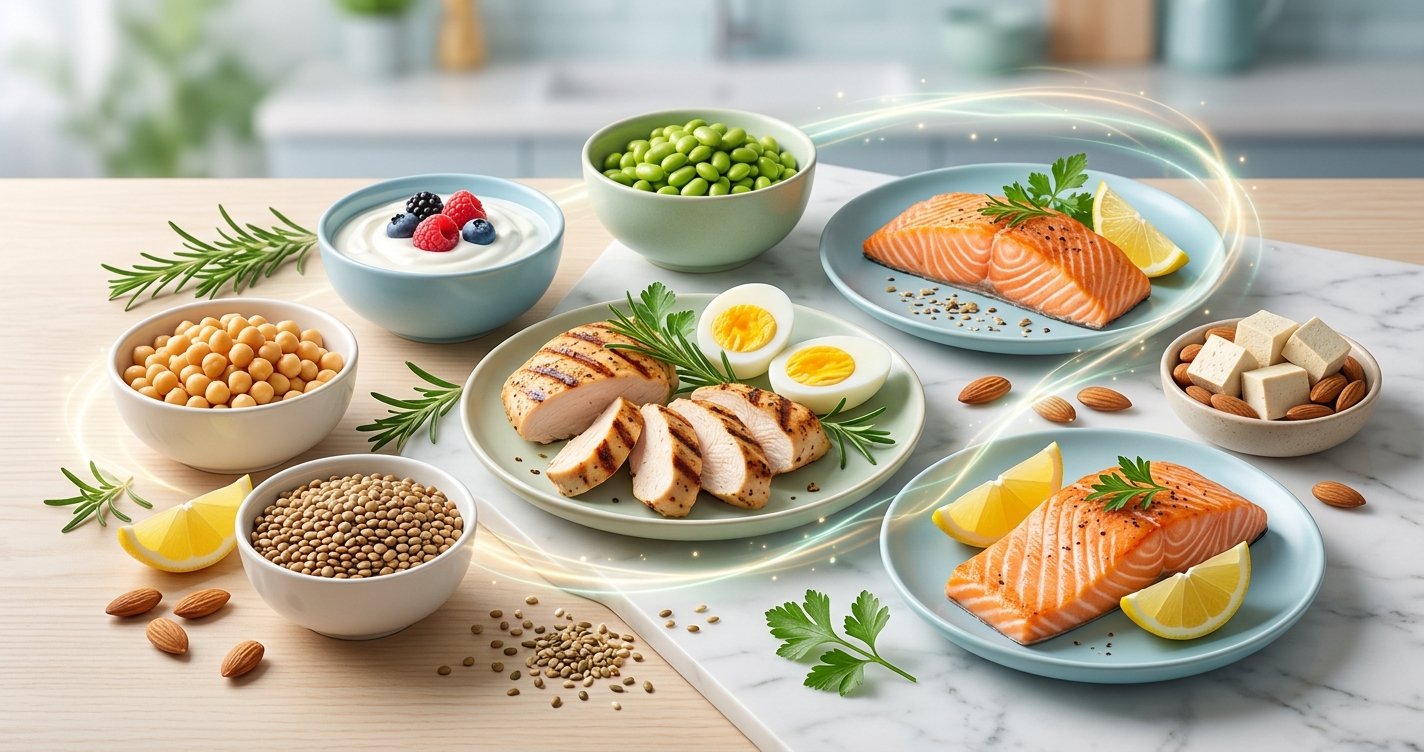
- Lean Meats: Chicken breast, turkey, lean beef, pork tenderloin are excellent sources of complete protein, meaning they contain all nine essential amino acids your body can't produce.
- Fish and Seafood: Salmon, tuna, cod, shrimp, and other seafood offer high-quality protein along with beneficial omega-3 fatty acids.
- Eggs: A versatile and affordable complete protein source, perfect for any meal.
- Dairy Products: Greek yogurt, cottage cheese, milk, and whey protein are fantastic for their high protein content and often contain beneficial probiotics (in yogurt).
- Legumes and Beans: Lentils, chickpeas, black beans, and kidney beans are great plant-based protein options, also rich in fiber.
- Soy Products: Tofu, tempeh, and edamame are complete plant-based proteins and incredibly versatile in cooking.
- Protein Powders: Whey, casein, soy, or plant-based protein powders can be a convenient way to boost your intake, especially for busy individuals or post-workout.
Strategic Spacing: Timing Your Protein Intake for Maximum Benefit
While the total amount of protein you consume in a day is paramount, how you distribute it can also play a role in optimizing its benefits. Instead of consuming most of your protein in one large meal, aim to spread your intake evenly throughout the day.
Try to include a significant protein source (20-40 grams, depending on your total daily target) with each main meal (breakfast, lunch, and dinner) and even in your snacks. This consistent supply of amino acids helps to maintain muscle protein synthesis throughout the day, enhances satiety at each eating occasion, and keeps your metabolism elevated.
For example, instead of a bagel for breakfast, opt for Greek yogurt with berries or scrambled eggs with veggies. This simple shift can make a huge difference in how you feel and how your body responds.
Practical Tips for Boosting Your Protein Intake Effortlessly
Integrating more protein into your diet doesn't have to be complicated or bland. Here are some simple, delicious ways to increase your protein intake:
- Start Strong with Breakfast: Ditch sugary cereals. Think eggs, Greek yogurt, cottage cheese, or a protein smoothie.
- Power Up Your Lunches and Dinners: Always include a lean protein source. Add grilled chicken to your salad, salmon to your pasta, or lentils to your soup.
- Smart Snacking: Instead of chips, reach for hard-boiled eggs, a handful of almonds, string cheese, or a small container of Greek yogurt.
- Smoothie Savvy: Blend protein powder, Greek yogurt, or even silken tofu into your fruit smoothies for an easy protein boost.
- Don't Forget Legumes: Add beans to your chili, lentils to your stews, or chickpeas to your salads.
- Pre-prepare: Cook a batch of chicken breast or hard-boiled eggs at the beginning of the week for quick additions to meals.
Beyond Protein: The Holistic Approach to Sustainable Fat Loss
While protein is an undeniable superstar for fat loss, it's essential to remember that it's part of a larger picture. For truly sustainable results, integrate protein with other fundamental principles:
- Calorie Deficit: To lose fat, you still need to consume fewer calories than you burn. Protein helps achieve this deficit more easily by increasing satiety and TEF.
- Strength Training: Pairing a high-protein diet with regular strength training is the ultimate combo for building and preserving muscle, further boosting your metabolism.
- Hydration: Drink plenty of water throughout the day. It supports metabolism and can sometimes be mistaken for hunger.
- Adequate Sleep: Poor sleep can disrupt hunger hormones, making fat loss harder. Aim for 7-9 hours per night.
- Stress Management: Chronic stress can lead to increased cortisol, which can hinder fat loss. Find healthy ways to manage stress.
Embrace the Power of Protein for Lasting Change
Optimizing your protein intake is not just another fad diet; it's a scientifically backed, sustainable strategy that can profoundly impact your fat loss journey. By prioritizing protein, you'll feel fuller, burn more calories, protect your muscle, and set yourself up for long-term success. It's about nourishing your body, feeling energized, and building healthy habits that last a lifetime.
So, are you ready to unlock the incredible power of protein? Start making small, consistent changes today, and watch as your body transforms, not just in appearance, but in strength, energy, and overall well-being. Your sustainable fat loss journey begins now!