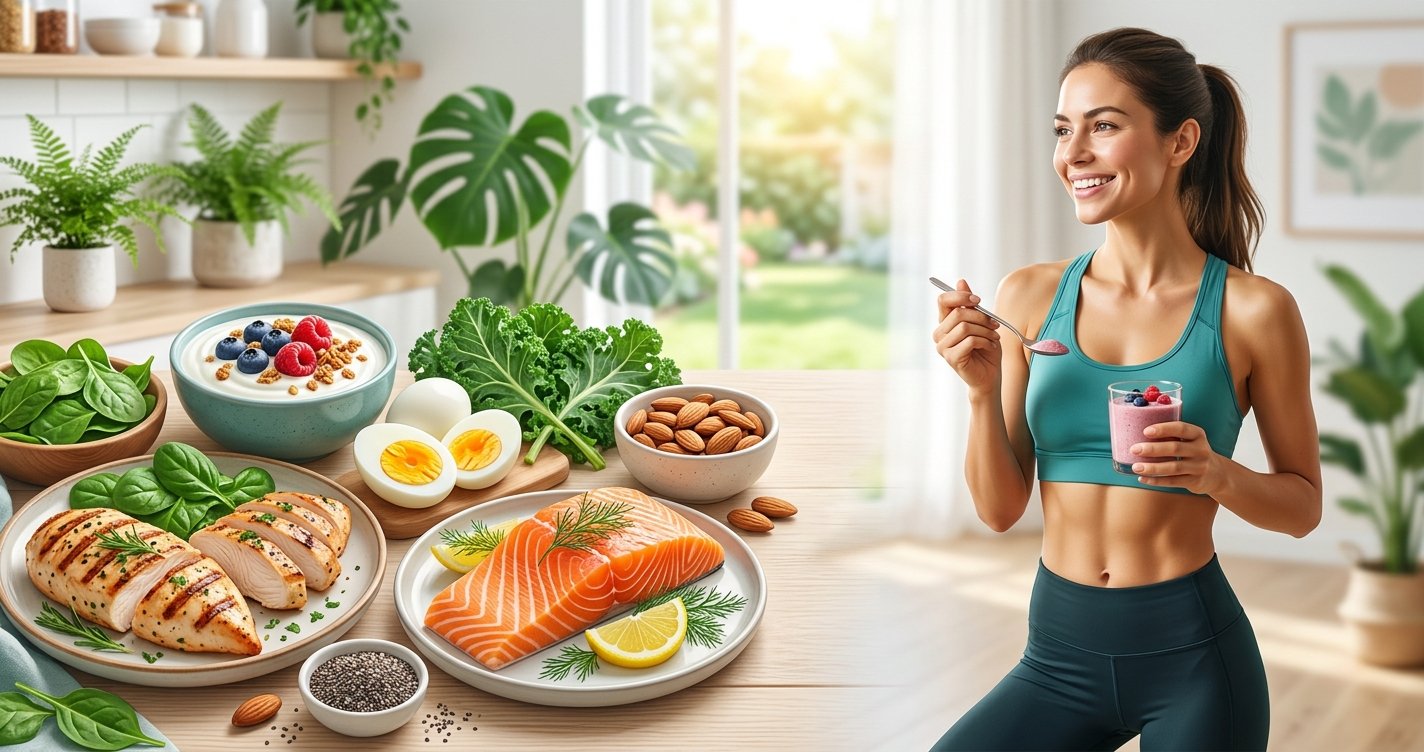
Struggling with fat loss can feel like an uphill battle. You’ve probably tried various diets, cut calories, and increased your activity, only to hit plateaus or feel constantly hungry. What if there was one key macronutrient that could make a significant difference, helping you feel fuller, preserve muscle, and even subtly boost your metabolism? Enter protein – your often-underestimated ally in the journey towards sustainable fat loss.
This isn't about extreme diets or deprivation; it's about smart, evidence-based nutrition that empowers your body to achieve its best. Let's dive into why prioritizing protein isn't just a trend, but a fundamental strategy for achieving and maintaining a leaner, stronger you. this excellent wellness product
Why Protein is Your Secret Weapon for Fat Loss
Protein isn't just for bodybuilders. It plays a multifaceted role in fat loss that goes far beyond simply building muscle. Understanding these mechanisms is key to harnessing its full power.
The Satiety Factor: Feeling Fuller, Longer
Imagine eating a meal and feeling genuinely satisfied, not just momentarily full. That’s the power of protein! Protein has a remarkable ability to increase satiety, meaning it helps you feel full for longer periods compared to carbohydrates or fats. It does this by influencing hunger hormones like ghrelin (which stimulates hunger) and peptide YY (PYY, which signals fullness). When you consume enough protein, these hormones work in your favor, reducing cravings and preventing those pesky urges to snack unnecessarily between meals. This naturally leads to consuming fewer calories throughout the day without feeling deprived.
Boosting Your Metabolism: The Thermic Effect of Food (TEF)
Every time you eat, your body expends energy to digest, absorb, and metabolize the nutrients. This is known as the Thermic Effect of Food (TEF). Protein has a significantly higher TEF than carbohydrates or fats. While carbs require about 5-10% of their calories to be burned during digestion, and fats about 0-3%, protein demands a whopping 20-30%! This means that for every 100 calories of protein you consume, your body uses 20-30 of those calories just to process it. While not a massive game-changer on its own, this consistent, subtle metabolic boost adds up over time, contributing to your overall calorie expenditure.
Preserving Muscle Mass: The Key to a Faster Metabolism
When you're in a calorie deficit to lose fat, your body can sometimes break down muscle tissue for energy, not just fat. This is undesirable because muscle is metabolically active – it burns more calories at rest than fat does. Losing muscle can slow down your metabolism, making further fat loss more challenging and increasing the likelihood of regaining weight. Adequate protein intake is crucial for preserving lean muscle mass during fat loss. It provides the essential amino acids your body needs to repair and build muscle, ensuring that the weight you lose is primarily fat, not valuable muscle tissue. The more muscle you maintain, the higher your resting metabolic rate, making it easier to burn calories even when you're not exercising.
How Much Protein Do You Really Need for Fat Loss?
The standard recommended daily allowance (RDA) for protein is 0.8 grams per kilogram of body weight (0.36 grams per pound) for general health. However, for active individuals or those specifically aiming for fat loss, these recommendations are often insufficient. Research suggests that a higher protein intake is beneficial for satiety, muscle preservation, and metabolic health during a calorie deficit.
A good starting point for fat loss is typically in the range of 1.6 to 2.2 grams of protein per kilogram of body weight (0.7 to 1 gram per pound) of your target body weight or lean body mass. For example, if you weigh 70 kg (approximately 154 lbs) and are aiming for fat loss, you might target 112-154 grams of protein per day. It’s always best to tailor this to your individual activity level, body composition, and specific goals, but this range provides a solid, evidence-based foundation to work from.
Smart Protein Sources: Fueling Your Body Right
Not all protein sources are created equal. Opting for high-quality, whole food sources will provide not only ample protein but also a host of other essential nutrients.
Animal-Based Proteins
- Lean Meats: Chicken breast, turkey, lean cuts of beef (sirloin, round), pork tenderloin are excellent sources of complete protein with minimal fat.
- Fish: Salmon, tuna, cod, and other fish provide high-quality protein and often beneficial omega-3 fatty acids.
- Eggs: A versatile and affordable protein powerhouse, eggs contain all essential amino acids.
- Dairy: Greek yogurt, cottage cheese, and milk are great sources of protein, calcium, and probiotics (in yogurt).
Plant-Based Proteins
- Legumes: Lentils, black beans, chickpeas, and kidney beans are rich in protein and fiber, promoting satiety.
- Tofu, Tempeh, Edamame: Soy-based products are complete plant proteins and highly versatile in cooking.
- Quinoa: A grain that stands out for being a complete protein source.
- Nuts and Seeds: Almonds, peanuts, chia seeds, flax seeds, and pumpkin seeds offer protein, healthy fats, and fiber.
- Protein Powders: Whey, casein, soy, or pea protein powders can be convenient supplements to help you meet your daily targets, especially after workouts or for quick snacks.
Practical Strategies to Boost Your Protein Intake
Integrating more protein into your diet doesn't have to be complicated. With a few smart strategies, you can easily hit your targets.
Make Protein a Priority at Every Meal
Instead of an afterthought, make protein the star of your plate. Start your day with protein-rich options like eggs, Greek yogurt, or a protein smoothie. Ensure your lunch and dinner plates feature a substantial source of lean protein. This helps stabilize blood sugar, keeps you full, and sets a positive tone for your metabolic day.
Smart Snacking
Forget carb-heavy snacks that leave you hungry an hour later. Opt for protein-rich snacks like a handful of almonds, a hard-boiled egg, cottage cheese, Greek yogurt, beef jerky, or a protein bar. These choices help curb hunger and provide a steady supply of amino acids throughout the day.
Meal Prep for Success
Planning is key! Cook larger batches of lean protein sources like grilled chicken, baked fish, or roasted chickpeas at the beginning of the week. This makes it easy to assemble quick, protein-packed meals and snacks when you're busy, preventing you from reaching for less optimal choices.
Don't Forget Hydration & Fiber
While protein is paramount, remember that water and fiber are its best friends. Adequate hydration supports all bodily functions, including metabolism, and fiber (found in fruits, vegetables, and whole grains) works synergistically with protein to enhance satiety and digestive health. A balanced approach ensures optimal results.
Busting Protein Myths and Common Concerns
There are several misconceptions about protein intake that can deter people from embracing its benefits for fat loss.
- “Too much protein is bad for your kidneys!” For healthy individuals with no pre-existing kidney conditions, there is no strong evidence to suggest that a high-protein diet causes kidney damage. In fact, studies show it's safe and beneficial for weight loss. Always consult your doctor if you have specific health concerns.
- “Protein makes you bulky!” This is a common fear, especially among women. While protein is essential for muscle growth, gaining significant bulk requires a very specific training regimen, a calorie surplus, and often specific genetic predispositions. Eating more protein for fat loss, especially when combined with resistance training, will lead to a more toned and lean physique, not an overly bulky one.
- “Only bodybuilders need high protein.” As we've explored, protein's benefits extend far beyond muscle hypertrophy. Its role in satiety, metabolism, and muscle preservation makes it a crucial nutrient for anyone pursuing fat loss and improved body composition, regardless of their athletic aspirations.
Beyond the Plate: Protein as Part of a Holistic Approach
While protein is a powerful tool, it's important to remember it's one piece of a larger puzzle. For truly sustainable fat loss, integrate your increased protein intake with other vital components:
- Calorie Deficit: Protein helps you achieve and sustain a moderate calorie deficit more comfortably, but you still need to consume fewer calories than you burn.
- Strength Training: Combining a high-protein diet with resistance exercise is a potent duo for building and preserving muscle, which further boosts your metabolism.
- Adequate Sleep: Poor sleep can disrupt hunger hormones and make fat loss incredibly challenging. Prioritize 7-9 hours of quality sleep.
- Stress Management: Chronic stress can elevate cortisol levels, potentially leading to increased fat storage, especially around the midsection.
- Consistency and Patience: Fat loss is a journey, not a race. Consistent effort and patience are key to seeing lasting results.
Conclusion
Protein is much more than just a muscle builder; it's a foundational pillar for sustainable and effective fat loss. By harnessing its power to enhance satiety, boost your metabolism, and preserve crucial muscle mass, you can transform your approach to nutrition and achieve your body composition goals with greater ease and enjoyment. Start prioritizing high-quality protein at every meal, experiment with smart snacking, and watch as your body responds, becoming leaner, stronger, and more vibrant. Your journey to a healthier, happier you begins with smart choices, and protein is an excellent place to start!