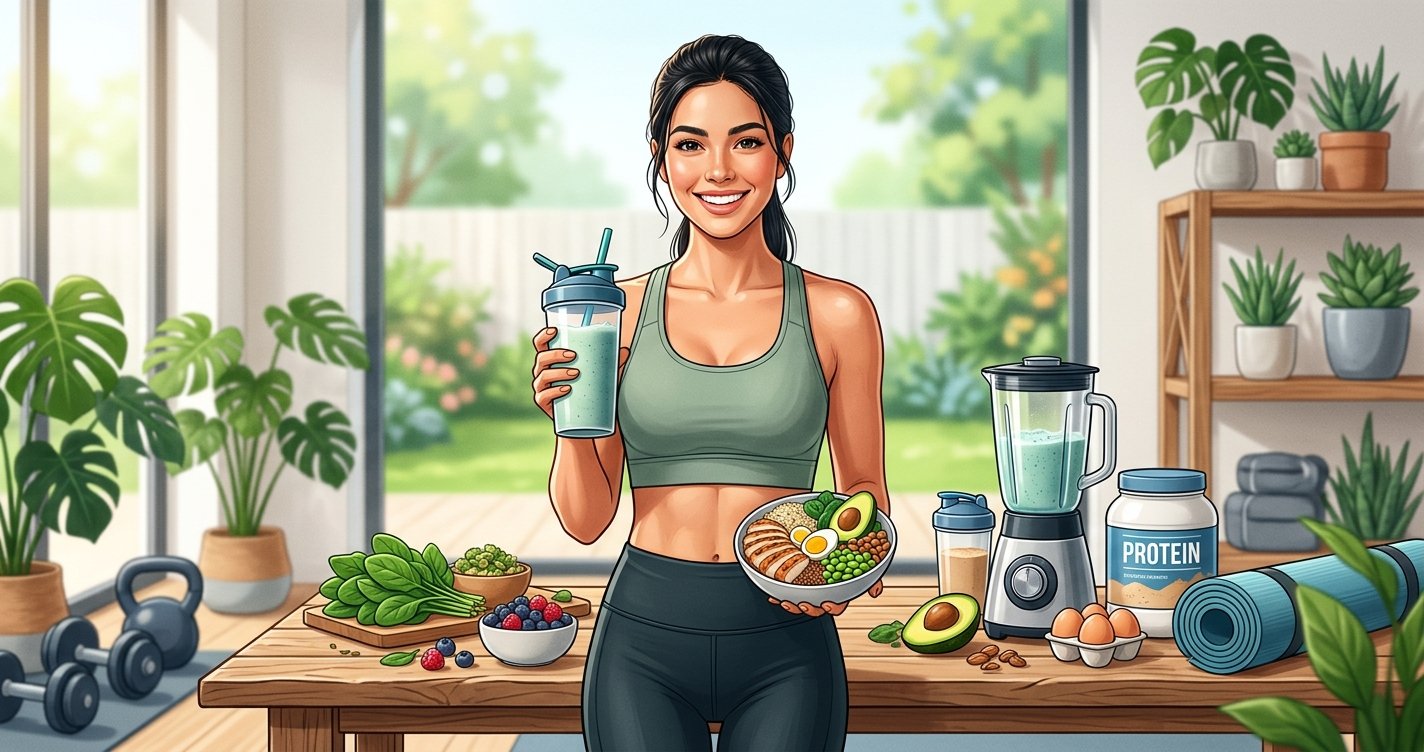
Are you on a journey to shed some extra fat, but finding yourself caught in a cycle of restrictive diets, endless cardio, and disappointing plateaus? You're not alone. Many people struggle to find a sustainable and effective approach to fat loss that doesn't leave them feeling hungry, deprived, or burnt out. But what if there was a simple, yet incredibly powerful, nutritional lever you could pull that could revolutionize your results? Enter protein – your secret weapon for not just losing weight, but specifically targeting fat while preserving precious muscle.
Forget the fads and quick fixes. This isn't about extreme measures; it's about smart, evidence-based strategies. In this post, we're going to dive deep into why protein is an absolute game-changer for fat loss, how much you truly need, and how to easily incorporate more of it into your daily life. Get ready to unlock a more satisfying, effective, and sustainable path to a leaner, stronger you! this excellent wellness product
Why Protein is a Fat Loss Game-Changer
Protein isn't just for bodybuilders; it's a macronutrient powerhouse that plays several critical roles in your body, especially when you're aiming for fat loss. Let's break down its incredible benefits.
Satiety Powerhouse: Feeling Full, Longer
One of the biggest challenges in any fat loss journey is managing hunger and cravings. This is where protein truly shines. Protein has a remarkable ability to increase feelings of fullness and reduce appetite more effectively than carbohydrates or fats. How does it do this?
- Hormonal Impact: Protein influences key hunger-regulating hormones like ghrelin (the hunger hormone) and peptide YY (PYY), which signals satiety. Higher protein intake helps suppress ghrelin and elevate PYY, making you feel satisfied for longer periods.
- Reduced Snacking: When you feel fuller, you're naturally less likely to reach for unhealthy snacks between meals, leading to a significant reduction in overall calorie intake without feeling deprived.
- Better Meal Choices: A protein-rich meal helps stabilize blood sugar, preventing the crashes that often lead to intense cravings for sugary or high-fat foods.
Studies consistently show that individuals on higher-protein diets tend to consume fewer calories spontaneously, making fat loss feel much more effortless.
Boosting Your Metabolism: The Thermic Effect of Food (TEF)
Did you know that your body burns calories just by digesting and processing the food you eat? This phenomenon is called the Thermic Effect of Food (TEF), and protein has the highest TEF of all macronutrients.
- Protein's High TEF: Approximately 20-30% of the calories from protein are expended during its digestion and absorption. Compare this to carbohydrates (5-10%) and fats (0-3%). This means that for every 100 calories of protein you consume, your body uses 20-30 of those calories just to process it.
- Calorie Burn Advantage: By increasing your protein intake, you essentially boost your daily calorie expenditure without lifting an extra finger. While not a massive jump, these small increases add up over time, contributing to a more favorable energy balance for fat loss.
It's like having a tiny, continuous calorie-burning furnace inside you, all thanks to protein!
Protecting Your Muscle: The Lean Mass Advantage
When you're trying to lose weight, it's crucial to focus on losing fat, not just total weight. Unfortunately, during a calorie deficit, your body can sometimes break down muscle tissue for energy, especially if protein intake is insufficient. Why is this bad?
- Muscle is Metabolically Active: Muscle tissue burns more calories at rest than fat tissue. Losing muscle can slow down your metabolism, making it harder to lose fat and easier to regain weight in the future.
- Strength and Function: Preserving muscle mass maintains your strength, physical performance, and overall body composition. You want to look lean and toned, not just smaller.
- Protein's Role: Adequate protein intake provides the essential amino acids your body needs to repair and build muscle tissue. When combined with strength training, protein becomes even more effective at preserving lean mass during a fat loss phase, ensuring that the weight you lose is primarily fat.
Think of protein as the guardian of your metabolism and your physique goals.
How Much Protein Do You Really Need for Fat Loss?
While the general recommended daily allowance (RDA) for protein is 0.8 grams per kilogram of body weight, this is often considered the minimum to prevent deficiency, not necessarily optimal for fat loss or muscle preservation, especially for active individuals.
For effective fat loss and muscle retention, research suggests a higher intake. A good target range is typically:
- 1.6 to 2.2 grams of protein per kilogram of body weight (0.7 to 1 gram per pound of body weight).
For example, if you weigh 70 kg (about 154 lbs), you'd aim for roughly 112 to 154 grams of protein per day. If you're highly active or significantly overweight, you might even benefit from the higher end of this range.
It's also beneficial to spread your protein intake throughout the day. Aim for 20-40 grams of protein per meal, and include protein in your snacks, to maximize muscle protein synthesis and keep hunger at bay.
Smart Protein Choices: Fueling Your Body Right
Now that you know how much protein to aim for, let's talk about where to find it. Prioritizing whole, unprocessed protein sources is always the best strategy.
Lean Protein Sources to Love
- Poultry: Chicken breast, turkey breast (skinless).
- Fish & Seafood: Salmon, tuna, cod, shrimp, tilapia, sardines (rich in omega-3s!).
- Lean Red Meat: Lean cuts of beef (sirloin, round), pork loin.
- Eggs: Whole eggs or egg whites are incredibly versatile and nutrient-dense.
- Dairy: Greek yogurt, cottage cheese, skim milk (excellent sources of casein and whey protein).
- Legumes: Lentils, chickpeas, black beans (also high in fiber).
- Soy Products: Tofu, tempeh, edamame (great plant-based options).
- Protein Powder: Whey, casein, soy, or plant-based protein powders can be convenient supplements, especially post-workout or to boost protein in smoothies.
Focus on variety to ensure you're getting a wide array of essential amino acids and micronutrients.
Practical Tips for Boosting Protein Intake
Integrating more protein into your diet doesn't have to be complicated. Here are some simple ideas:
- Start Your Day Strong: Instead of sugary cereals, opt for scrambled eggs, Greek yogurt with berries, or a protein smoothie.
- Make Protein the Star: Build your meals around a lean protein source. For lunch and dinner, ensure at least a palm-sized portion of protein is on your plate.
- Smart Snacking: Keep protein-rich snacks handy like a handful of almonds, a hard-boiled egg, cottage cheese, beef jerky, or a protein bar.
- Add to Everything: Sprinkle seeds (chia, flax, hemp) into oatmeal or salads. Add chickpeas or lentils to soups and stews.
- Utilize Leftovers: Cook extra chicken or fish for dinner to use in salads or wraps the next day.
Beyond the Plate: Protein's Role in a Holistic Fat Loss Journey
While protein is a superstar, remember it's part of a larger team. For truly sustainable fat loss, you'll want to combine your increased protein intake with other healthy habits:
- Resistance Training: Lifting weights or doing bodyweight exercises is crucial for building and preserving muscle mass, which works synergistically with protein.
- Balanced Nutrition: Don't neglect healthy fats and complex carbohydrates, which provide energy and essential nutrients.
- Hydration: Drinking enough water supports metabolism and satiety.
- Quality Sleep: Poor sleep can disrupt hormones that regulate appetite and fat storage.
- Stress Management: Chronic stress can lead to increased cortisol levels, potentially hindering fat loss.
Your Protein-Powered Fat Loss Journey Starts Now!
Embracing protein as a cornerstone of your diet is one of the most effective, satisfying, and sustainable strategies for fat loss. By prioritizing protein, you'll naturally feel fuller, boost your metabolism, and protect your hard-earned muscle, all of which create a powerful environment for your body to shed fat.
You don't need to overhaul your entire diet overnight. Start by making small, consistent changes. Add an extra serving of protein to one meal, swap a sugary snack for a protein-rich one, or try a new lean protein source each week. Listen to your body, stay consistent, and celebrate every step of your progress.
Remember, true fat loss is a journey of building healthier habits that serve you for life. With protein by your side, you're not just losing weight; you're building a stronger, healthier, and more vibrant you. You've got this!