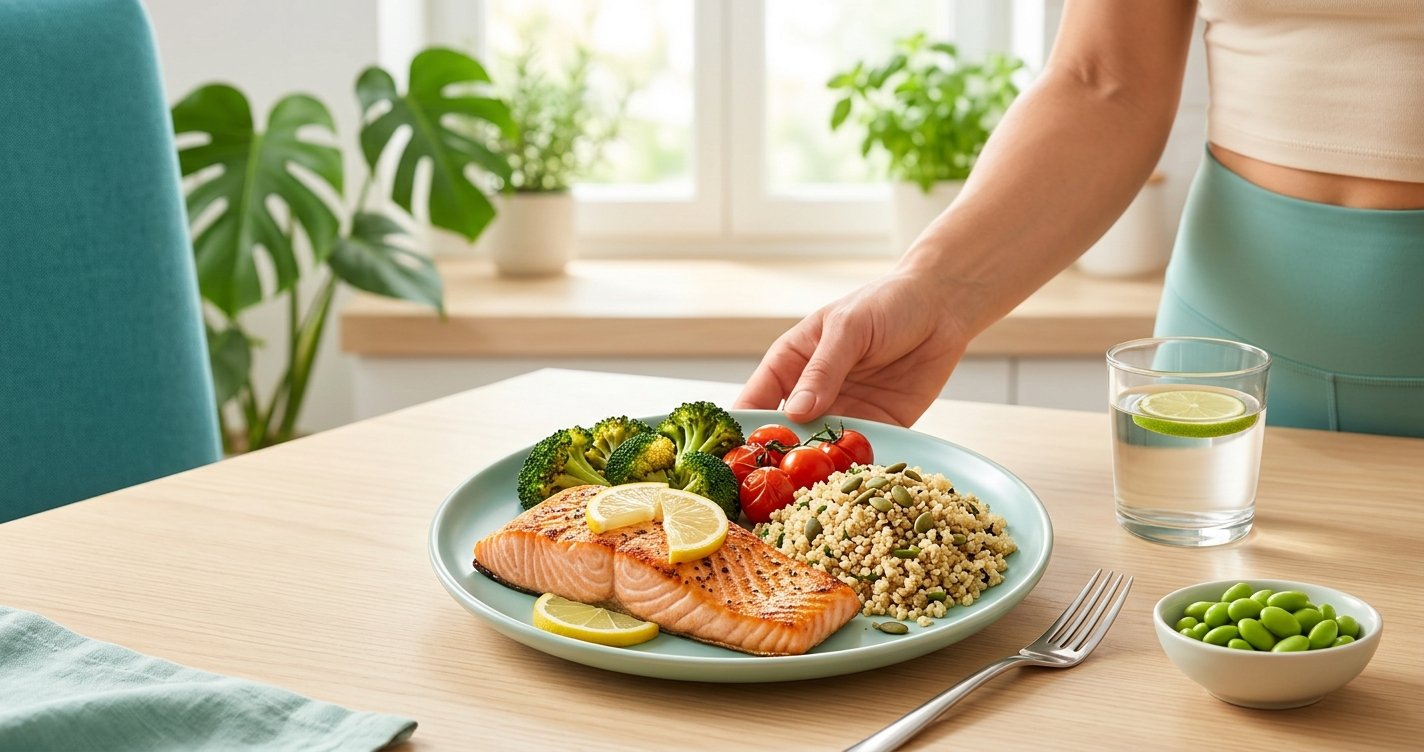
Are you on a fat loss journey and feeling constantly hungry, or struggling to maintain your hard-earned muscle? What if there was a powerful, science-backed tool that could help you feel fuller, boost your metabolism, and protect your lean muscle mass, all while making your diet more enjoyable? Good news! There is, and it's called protein.
Often hailed as the king of macronutrients, protein plays an absolutely vital role in sustainable fat loss. It's not just for bodybuilders; it's for anyone looking to shed excess fat, improve body composition, and feel fantastic. In this friendly, evidence-based guide, we’ll explore exactly why protein is your best friend for getting leaner, stronger, and healthier. this excellent wellness product
Why Protein is Your Fat Loss MVP
When it comes to losing fat, most people instinctively think about cutting calories. While a calorie deficit is essential, how you achieve that deficit and what you eat within it makes a world of difference. Protein stands out for three main reasons:
- Satiety: It keeps you feeling full and satisfied, reducing cravings and overeating.
- Thermic Effect of Food (TEF): Your body burns more calories digesting protein than it does carbs or fats.
- Muscle Preservation: It helps you maintain precious lean muscle mass, which is crucial for a healthy metabolism, even when you're eating less.
Let's dive deeper into each of these powerful benefits.
The Satiety Secret: Feeling Fuller for Longer
One of the biggest challenges with fat loss is managing hunger. Who hasn't experienced the relentless urge to snack when trying to eat fewer calories? This is where protein shines! Protein has a remarkable ability to increase feelings of fullness and reduce appetite. How does it do this?
When you consume protein, it influences several hormones that control hunger and satiety. It helps to decrease levels of ghrelin, the 'hunger hormone,' and increases levels of satiety hormones like GLP-1 and PYY. This means you’ll feel satisfied for longer after a protein-rich meal, making it easier to stick to your calorie goals without feeling deprived or constantly thinking about your next meal. Imagine feeling genuinely content after eating, rather than searching for more – that's the protein advantage!
Metabolic Boost: The Thermic Effect of Food (TEF)
Did you know that your body burns calories just to digest, absorb, and metabolize the food you eat? This is known as the Thermic Effect of Food (TEF). While all macronutrients have a TEF, protein has the highest. Approximately 20-30% of the calories from protein are burned during digestion, compared to 5-10% for carbohydrates and a mere 0-3% for fats.
While this might seem like a small number, it adds up over time. If you eat 200 calories of protein, your body uses 40-60 of those calories just to process it. Over a day, week, or month, this extra calorie burn can contribute significantly to your overall fat loss efforts, giving you a slight metabolic edge without any extra effort on your part!
Muscle Matters: Preserving Lean Mass While Losing Fat
When you're in a calorie deficit, your body doesn't just burn fat for energy; it can also start breaking down muscle tissue. This is a problem because muscle is metabolically active – it burns more calories at rest than fat does. Losing muscle can slow down your metabolism, making it harder to lose fat in the long run and increasing the chances of regaining weight.
Consuming adequate protein is critical for preserving lean muscle mass during fat loss. Protein provides the amino acids your body needs to repair and build muscle tissue. By prioritizing protein, you send a strong signal to your body to hold onto its muscle, ensuring that a greater proportion of your weight loss comes from fat, not muscle. This leads to a more favorable body composition, a stronger metabolism, and a leaner, more toned physique.
How Much Protein Do You Really Need for Fat Loss?
So, if protein is so amazing, how much should you be aiming for? While individual needs can vary based on activity level, age, and current body composition, general recommendations for fat loss typically range from 0.7 to 1.0 gram of protein per pound of your target body weight or lean body mass (1.6 to 2.2 grams per kilogram).
- For example, if your target weight is 150 pounds, you might aim for 105-150 grams of protein per day.
- If you're very active or have a significant amount of muscle, the higher end of the range might be more beneficial.
It's important to distribute your protein intake throughout the day rather than consuming it all in one sitting. Aim for 20-40 grams of protein per meal, and include it in your snacks where possible. This consistent supply of amino acids supports muscle protein synthesis and keeps you feeling full.
Protein Power-Ups: Delicious and Practical Sources
Getting enough protein doesn't have to be bland or boring. There's a vast array of delicious options to choose from:
Animal-Based Protein Sources:
- Lean Meats: Chicken breast, turkey, lean beef (sirloin, round), pork loin.
- Fish & Seafood: Salmon, tuna, cod, shrimp, scallops (rich in omega-3s too!).
- Eggs: Whole eggs or egg whites are incredibly versatile and nutritious.
- Dairy: Greek yogurt, cottage cheese, milk, kefir (also great sources of calcium).
Plant-Based Protein Sources:
- Legumes: Lentils, black beans, chickpeas, kidney beans.
- Soy Products: Tofu, tempeh, edamame.
- Grains: Quinoa, oats.
- Nuts & Seeds: Almonds, peanuts, chia seeds, flax seeds, pumpkin seeds (in moderation due to higher calorie content).
- Vegetables: While lower per serving, broccoli, spinach, and asparagus contribute to your daily total.
Protein Supplements: Whey protein, casein protein, or plant-based protein powders (pea, rice, soy) can be convenient additions to help you meet your daily goals, especially if you're on the go or struggling to get enough from whole foods. Remember, they are supplements, not replacements for a balanced diet!
Integrating Protein Seamlessly into Your Day
Making protein a priority doesn't require a complete overhaul of your diet. Small, smart changes can make a big difference:
Start Strong: Protein-Packed Breakfasts
Swap sugary cereals for Greek yogurt with berries, scrambled eggs with veggies, or a protein smoothie. Starting your day with protein can reduce cravings later on.
Lunch & Dinner: Make Protein the Star
Build your meals around a lean protein source. Think grilled chicken salad, baked salmon with roasted vegetables, or a lentil stew. Aim for a palm-sized portion of protein at each main meal.
Smart Snacking: Beat Cravings with Protein
Instead of reaching for chips or cookies, opt for snacks like a handful of almonds, a hard-boiled egg, cottage cheese, or a small protein shake. These will keep you satisfied until your next meal.
Beyond the Plate: A Holistic Approach to Sustainable Fat Loss
While protein is a superstar, remember that sustainable fat loss is a holistic journey. For the best results, combine your protein focus with:
- Resistance Training: Lifting weights is essential for building and maintaining muscle, further boosting your metabolism.
- Hydration: Drinking plenty of water supports metabolism and can help manage hunger.
- Adequate Sleep: Poor sleep can wreak havoc on hunger hormones and make fat loss much harder.
- Stress Management: Chronic stress can lead to increased cortisol levels, which can hinder fat loss.
- Balanced Diet: Don't forget healthy fats, fiber-rich carbohydrates, and plenty of fruits and vegetables for overall health and nutrient intake.
Your Journey to a Leaner, Stronger You Starts Now!
Embracing protein as a key component of your diet can transform your fat loss experience. It empowers you to feel more satisfied, burn more calories, and protect your precious muscle, leading to a leaner, stronger, and healthier you.
So, start making conscious choices to increase your protein intake today. Experiment with different sources, find what you enjoy, and watch as your body responds positively. Be patient, be consistent, and trust the process – your efforts will pay off!