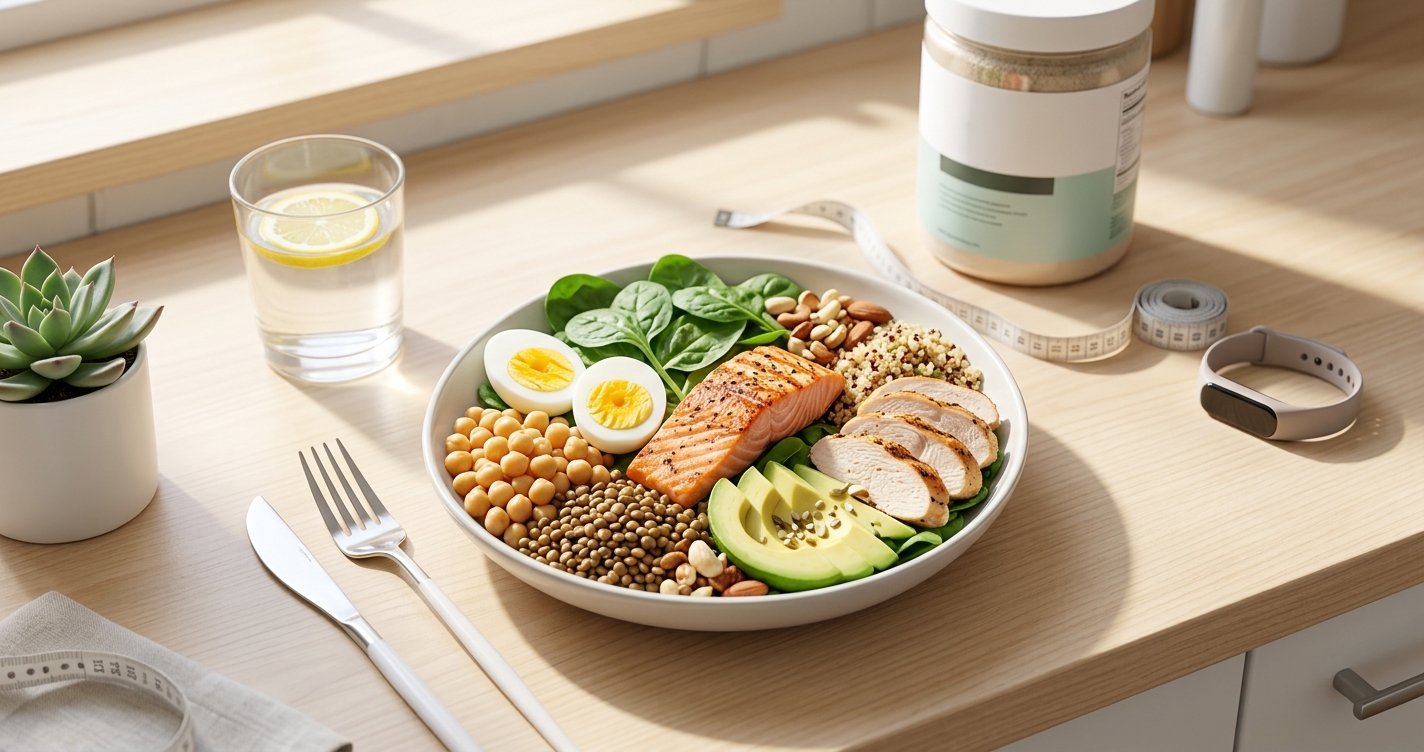
Hey there, health seeker! Are you on a journey to shed some fat, feel more energetic, and build a body you love? If you've ever felt frustrated by diet fads, endless cardio, or the dreaded "rebound" effect, you're not alone. The world of fat loss can be overwhelming, filled with conflicting advice and quick fixes that rarely stick. But what if there was one nutritional superstar that could significantly simplify your journey, make you feel fuller, preserve your precious muscle, and even boost your metabolism? Meet protein – your ultimate ally in the quest for sustainable fat loss.
Forget the myth that protein is just for bodybuilders. It's an essential macronutrient vital for everyone, especially those aiming for effective and lasting fat loss. In this comprehensive guide, we're going to dive deep into the science-backed reasons why protein isn't just a good idea, but a game-changer for achieving your body composition goals. We’ll explore how much you truly need, the best sources, and practical, easy-to-implement tips to make protein a cornerstone of your healthy lifestyle. Get ready to unlock the power of protein and transform your approach to fat loss! this excellent wellness product
Why Protein is Your Secret Weapon for Fat Loss
When it comes to losing fat and keeping it off, protein offers a triple threat of benefits that no other macronutrient can quite match. Let's break down how this powerhouse nutrient helps you achieve your goals.
Satiety: Feeling Fuller, Longer
One of the biggest challenges with any fat loss journey is managing hunger. Cravings and constant hunger pangs can derail even the most determined efforts. This is where protein shines! Protein is incredibly satiating, meaning it helps you feel full and satisfied for longer periods compared to carbohydrates or fats. When you incorporate adequate protein into your meals, you're less likely to snack excessively between meals, reducing your overall calorie intake naturally. Studies consistently show that higher protein diets lead to greater feelings of fullness and reduced desire to eat, making adherence to a calorie deficit much easier.
The Thermic Effect of Food (TEF): Burn More Calories Just by Eating!
Did you know your body expends energy just to digest and process the food you eat? This is called the Thermic Effect of Food (TEF), and protein has the highest TEF of all macronutrients. Approximately 20-30% of the calories from protein are burned off during digestion, compared to 5-10% for carbohydrates and 0-3% for fats. This means that by simply choosing protein-rich foods, you're giving your metabolism a little boost, helping you burn more calories around the clock. Over time, these small boosts add up, contributing significantly to your fat loss efforts.
Muscle Preservation: The Key to a Revved Metabolism
When you're in a calorie deficit to lose fat, your body can sometimes break down muscle tissue for energy, not just fat. This is bad news because muscle is metabolically active – it burns more calories at rest than fat does. Losing muscle means your resting metabolic rate (RMR) decreases, making it harder to lose weight and easier to regain it. A higher protein intake helps to signal your body to preserve lean muscle mass, especially when combined with resistance training. By protecting your muscle, you keep your metabolism firing strong, ensuring that the weight you lose is primarily fat, not precious muscle.
How Much Protein Do You Really Need for Fat Loss?
The exact amount of protein can vary based on your activity level, age, and individual goals, but for optimal fat loss and muscle preservation, general recommendations are higher than the standard dietary allowance. Most research suggests that an intake of 1.6 to 2.2 grams of protein per kilogram of body weight (or 0.7 to 1 gram per pound of body weight) per day is effective for individuals aiming to lose fat while maintaining muscle mass. For highly active individuals or those in a very aggressive calorie deficit, some may even benefit from slightly higher amounts.
- Example: If you weigh 70 kg (about 154 lbs), aiming for 1.6-2.2g/kg means you'd target roughly 112-154 grams of protein per day.
Don't just think about the total daily amount, though. Spreading your protein intake throughout the day is also beneficial, aiming for 20-40 grams per meal to maximize muscle protein synthesis and satiety.
Smart Protein Sources: Fueling Your Body Right
Variety is the spice of life, and it's also key to a sustainable, nutrient-rich diet. Incorporating a mix of protein sources ensures you're getting a broad spectrum of amino acids and other essential nutrients. Here are some top picks:
Animal-Based Proteins:
- Lean Meats: Chicken breast, turkey, lean beef (sirloin, round), pork loin.
- Fish and Seafood: Salmon, tuna, cod, shrimp, tilapia (rich in omega-3s too!).
- Eggs: A complete protein, versatile, and affordable.
- Dairy: Greek yogurt, cottage cheese, milk, whey protein powder (excellent for quick boosts).
Plant-Based Proteins:
- Legumes: Lentils, black beans, chickpeas, kidney beans.
- Soy Products: Tofu, tempeh, edamame (versatile and complete proteins).
- Quinoa: A complete grain-based protein.
- Nuts and Seeds: Almonds, peanuts, chia seeds, flax seeds, hemp seeds (also provide healthy fats).
- Plant-Based Protein Powders: Pea, rice, soy, or blended plant proteins.
Timing Is Everything (But Not Obsessively So): Spreading Your Intake
While the total daily protein intake is most important, distributing your protein evenly across your meals can enhance its benefits. Aim to include a good source of protein in every meal and snack. This helps maintain a steady supply of amino acids for muscle repair and growth, keeps you feeling fuller throughout the day, and optimizes the thermic effect of food at each eating occasion.
- Breakfast: Eggs, Greek yogurt, protein smoothie.
- Lunch: Chicken salad, lentil soup, leftover lean meat with veggies.
- Dinner: Fish, steak, tofu stir-fry.
- Snacks: Cottage cheese, handful of nuts, protein bar, hard-boiled egg.
Don't stress too much about hitting exact numbers every single hour, but a general strategy of 3-4 protein-rich meals/snacks per day is a great start.
Practical Tips for Boosting Your Protein Intake
Integrating more protein into your diet doesn't have to be complicated. Here are some actionable tips to help you hit your targets:
- Start Your Day with Protein: Swap sugary cereals for eggs, Greek yogurt, or a protein-packed smoothie.
- Prioritize Protein on Your Plate: When building meals, think protein first, then add healthy carbs and fats.
- Smart Snacking: Keep protein-rich snacks handy like string cheese, cottage cheese, nuts, seeds, or jerky.
- Use Protein Powder Wisely: A scoop of whey or plant-based protein in a smoothie, oatmeal, or baked goods is a convenient way to boost your intake.
- Meal Prep: Cook larger batches of lean protein (chicken breast, ground turkey, lentils) at the beginning of the week to easily add to meals.
- Be Mindful When Eating Out: Choose lean protein options like grilled chicken or fish, and don't be afraid to ask for extra protein.
- Hydrate: Sometimes thirst can be mistaken for hunger. Drink plenty of water throughout the day.
Dispelling Protein Myths: What About Kidney Health?
One common concern people raise about high-protein diets is their impact on kidney health. For individuals with healthy kidneys, current scientific evidence does not support the notion that a high protein intake causes kidney damage. In fact, many studies have shown no adverse effects on kidney function in healthy individuals consuming up to 2.2-3.4 g/kg/day of protein. However, if you have pre-existing kidney disease, it's crucial to consult with your doctor or a registered dietitian before making significant dietary changes.
As with any dietary approach, balance and moderation are key. Focus on whole, unprocessed protein sources and ensure you're consuming a variety of fruits, vegetables, and healthy fats alongside your protein.
Your Journey to a Leaner, Healthier You Starts Now!
The journey to sustainable fat loss isn't about deprivation or extreme measures; it's about smart, evidence-based choices that nourish your body and support your goals. Protein, with its incredible power to boost satiety, enhance metabolism, and preserve muscle, is an undeniable ally in this journey.
By making conscious efforts to increase your protein intake, choose quality sources, and spread it throughout your day, you're not just losing weight – you're building a stronger, healthier, and more resilient you. This isn't a quick fix; it's a sustainable strategy that will empower you to reach your fat loss goals and maintain them for the long haul. You've got this! Start incorporating more protein today and watch your body transform.