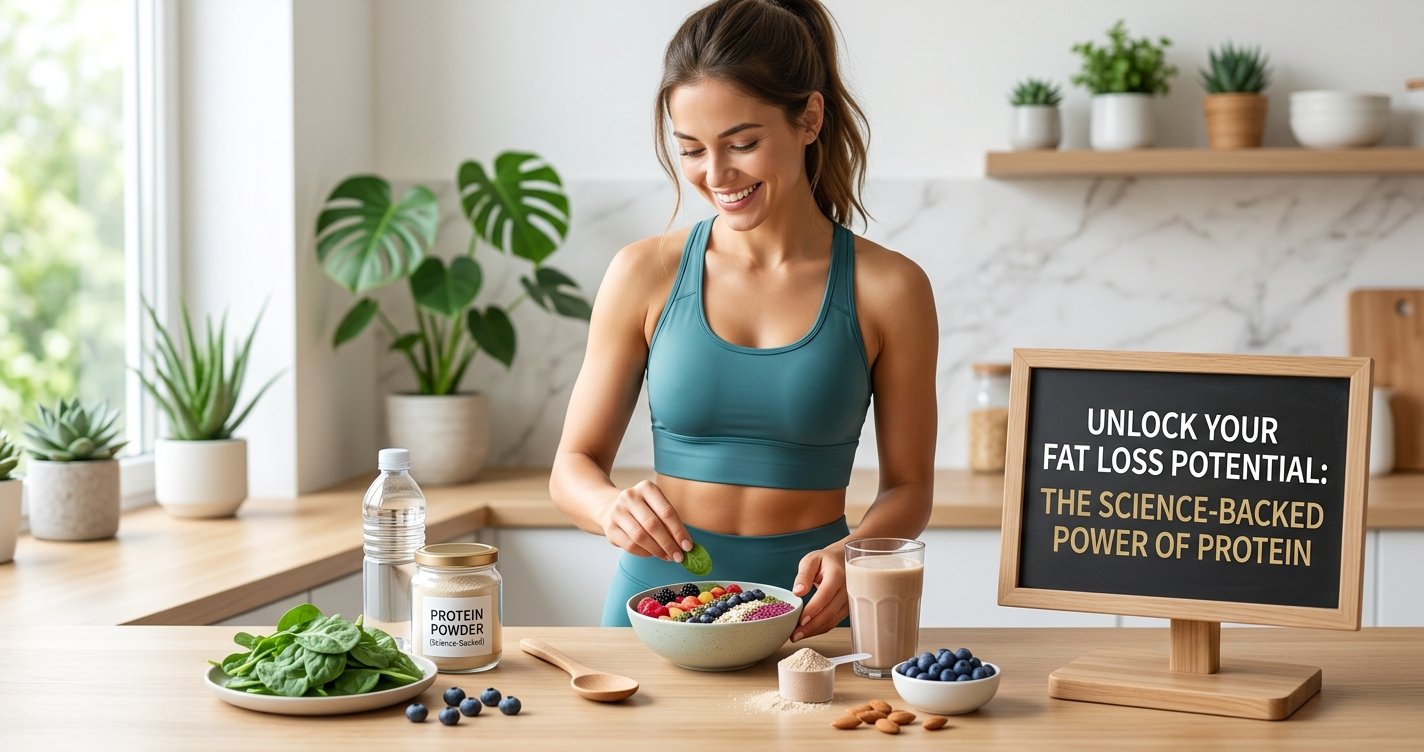
Unlock Your Fat Loss Potential: The Science-Backed Power of Protein
Are you on a journey to shed those stubborn pounds, but feel like you're constantly battling hunger, energy slumps, and diminishing returns? You're not alone. The world of fat loss can feel overwhelming, often focusing solely on calorie restriction or grueling cardio. While these play a role, there's one powerful macronutrient that's frequently underestimated and underutilized: protein.
Imagine a strategy that helps you feel fuller for longer, boosts your metabolism, and protects your precious muscle mass, all while making your fat loss journey more sustainable and enjoyable. Good news! That's precisely what adequate protein intake can do for you. Let's dive into the evidence-based reasons why protein isn't just for bodybuilders, but a crucial ally in your fat loss success. this excellent wellness product
Why Protein is Your Best Friend for Fat Loss (It's More Than Just Muscle!)
When we talk about fat loss, many immediately think of cutting calories. And while a calorie deficit is fundamental, how you achieve that deficit, and what you eat within it, makes a world of difference. Protein stands out for several key reasons:
- The Thermic Effect of Food (TEF): Every time you eat, your body expends energy to digest, absorb, and metabolize the nutrients. This is known as the Thermic Effect of Food (TEF). Protein has a significantly higher TEF than carbohydrates or fats. This means that about 20-30% of the calories from protein are burned off during digestion, compared to 5-10% for carbs and 0-3% for fats. In simpler terms, you burn more calories just by eating protein!
- Unbeatable Satiety: One of the biggest challenges in a calorie deficit is managing hunger. Protein is the king of satiety. Numerous studies show that a higher protein intake dramatically increases feelings of fullness and reduces overall calorie consumption throughout the day. This isn't just about feeling 'fuller'; it’s about reducing cravings and preventing those pesky mid-afternoon snack attacks that derail your progress.
- Muscle Preservation: When you're in a calorie deficit, your body naturally tries to tap into its energy reserves. Without enough protein and strength training, a significant portion of the weight you lose could be muscle, not just fat. Losing muscle is counterproductive for fat loss because muscle tissue is metabolically active, meaning it burns more calories at rest than fat tissue. Adequate protein intake helps signal your body to hold onto that valuable muscle, ensuring that the weight you lose is predominantly fat.
The Science-Backed Benefits: A Deeper Dive into Protein's Role
Beyond the immediate effects, protein plays a profound role in your body's complex systems, making it an indispensable tool for sustainable fat loss:
- Hormonal Harmony for Appetite Control: Protein influences key hormones that regulate appetite. It helps to reduce levels of ghrelin, often called the 'hunger hormone,' while simultaneously boosting levels of peptide YY (PYY) and glucagon-like peptide-1 (GLP-1), which are satiety hormones that make you feel full and satisfied. This hormonal orchestration makes it easier to stick to your calorie goals without feeling deprived.
- Metabolic Advantage: Maintaining your metabolic rate is crucial during fat loss. As mentioned, preserving muscle mass is key to this. By protecting your muscle and leveraging protein's higher TEF, you help keep your metabolism humming, preventing the common metabolic slowdown that can occur with prolonged dieting. This means your body remains a more efficient fat-burning machine.
- Reduced Cravings and Snacking: The combination of increased satiety and hormonal regulation means fewer cravings for unhealthy snacks. When your body is consistently fed with adequate protein, it's less likely to send out emergency signals for quick energy (often in the form of sugary or fatty foods). This makes adherence to a healthy eating plan significantly easier.
How Much Protein Do You Really Need? Demystifying the Numbers
So, you're convinced protein is important – but how much is enough? The general dietary reference intake (DRI) for protein is 0.8 grams per kilogram of body weight, but this is a minimum to prevent deficiency, not necessarily optimal for fat loss or muscle preservation.
For active individuals aiming for fat loss, research consistently suggests a higher intake. A good starting point is often 1.6 to 2.2 grams of protein per kilogram (or 0.73 to 1.0 grams per pound) of your target body weight. For example, if your target weight is 70 kg (approx. 154 lbs), you'd aim for roughly 112-154 grams of protein per day.
Don't worry about 'too much' protein being harmful for healthy individuals; studies have debunked many myths surrounding kidney damage. For most people with healthy kidneys, higher protein intakes are safe and beneficial, especially in the context of fat loss.
Practical Strategies: Making Protein Work for You (Deliciously!)
Knowing why protein is important is one thing; consistently incorporating it into your diet is another. Here are some actionable tips:
- Prioritize Whole, Lean Protein Sources: Focus on nutrient-dense options. Think lean meats (chicken breast, turkey, lean beef), fish (salmon, cod, tuna), eggs, dairy products (Greek yogurt, cottage cheese), legumes (lentils, beans, chickpeas), and plant-based alternatives (tofu, tempeh, edamame).
- Distribute Protein Throughout Your Day: Instead of front-loading your protein, aim to include a good source in every meal and snack. This helps maintain satiety and muscle protein synthesis more effectively. Try for 20-40 grams per meal, depending on your total daily target.
- Start Your Day with Protein: A protein-rich breakfast can set you up for success. Instead of sugary cereals or pastries, opt for scrambled eggs, Greek yogurt with berries, or a protein smoothie. This can significantly reduce morning hunger and subsequent cravings.
- Smart Snacking: When hunger strikes between meals, reach for protein-packed snacks. Hard-boiled eggs, a handful of almonds, cottage cheese, or a small protein shake are excellent choices that will keep you full and satisfied until your next meal.
- Consider Protein Supplements (When Needed): While whole foods should always be your priority, protein powders (whey, casein, soy, pea, etc.) can be a convenient and effective way to meet your daily targets, especially after workouts or when you're short on time.
- Meal Prep for Success: Dedicate some time each week to prepare protein sources like grilled chicken, baked salmon, or hard-boiled eggs. Having these ready to go makes healthy eating much easier during busy weekdays.
Beyond Protein: Synergistic Habits for Optimal Fat Loss
While protein is a superstar, it works best in concert with other healthy habits. To maximize your fat loss and overall well-being, remember these synergistic elements:
- Maintain a Moderate Calorie Deficit: Even with high protein, you still need to consume fewer calories than you burn to lose fat. Protein helps you achieve this deficit more comfortably.
- Incorporate Strength Training: Lifting weights or doing bodyweight exercises is crucial for building and maintaining muscle mass, which works hand-in-hand with protein to sculpt your body and boost your metabolism.
- Stay Hydrated: Drinking plenty of water supports metabolism, can help manage hunger, and is essential for overall health.
- Prioritize Sleep: Quality sleep is vital for hormone regulation, recovery, and preventing cravings. Lack of sleep can sabotage even the best diet efforts.
- Manage Stress: Chronic stress can lead to increased cortisol levels, which can hinder fat loss and encourage fat storage, particularly around the midsection. Find healthy ways to manage stress.
Your Journey Starts Now: Embrace the Protein Advantage
Embarking on a fat loss journey can be challenging, but it doesn't have to be a constant battle against hunger and frustration. By making protein a cornerstone of your diet, you're not just eating for satiety; you're eating strategically for a more efficient metabolism, preserved muscle, and ultimately, more sustainable and enjoyable fat loss.
Remember, consistency is key. Start by making small, manageable changes. Aim to add a protein source to every meal, track your intake for a few days to get a baseline, and observe how your body responds. You'll likely find yourself feeling fuller, more energized, and more in control of your eating habits. Embrace the power of protein, and watch as it transforms your fat loss journey into a path of sustainable success!