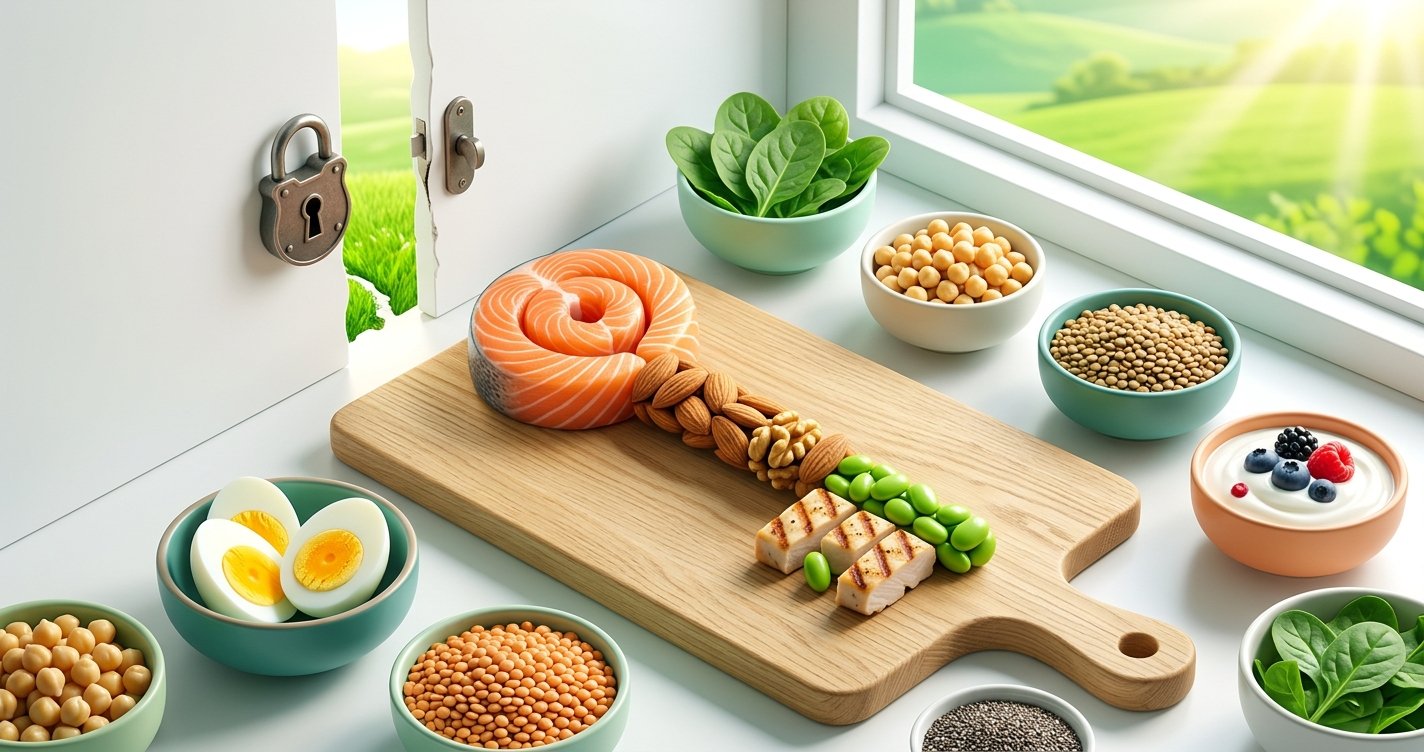
Introduction: The Game-Changer You Might Be Overlooking in Your Fat Loss Journey
Are you navigating the often-confusing world of fat loss, trying every diet under the sun, only to feel hungry, frustrated, or stuck on a plateau? What if one powerful macronutrient could be the missing piece in your puzzle, helping you feel fuller, preserve muscle, and even burn more calories? We're talking about protein – the undisputed MVP of sustainable fat loss.
Forget restrictive eating plans and endless cardio. This isn't about deprivation; it's about smart, evidence-based nutrition that empowers your body to shed fat more effectively. In this comprehensive guide, we'll dive deep into why protein is so crucial for achieving and maintaining a leaner physique, how much you actually need, and practical ways to effortlessly integrate more of it into your daily life. Get ready to transform your approach to fat loss, one delicious, protein-packed meal at a time! this excellent wellness product
Why Protein is Your Fat Loss MVP (Most Valuable Player)
Protein isn't just for bodybuilders; it's a fundamental nutrient for everyone, especially those aiming for fat loss. Its unique properties make it an invaluable ally. Let's break down the science-backed reasons why:
The Satiety Factor: Feeling Full, Eating Less
One of the biggest hurdles in any fat loss journey is managing hunger. Protein comes to the rescue here! It's the most satiating of the three macronutrients (protein, carbs, fats). When you consume protein, it triggers the release of specific hormones in your gut, like GLP-1 and PYY, which signal to your brain that you're full and satisfied. Simultaneously, it helps suppress ghrelin, the 'hunger hormone'.
- Reduced Cravings: Studies show that a higher protein intake can significantly reduce late-night snacking and cravings.
- Easier Calorie Deficit: By keeping you fuller for longer, protein naturally helps you consume fewer calories throughout the day without feeling deprived, making calorie deficit much more manageable.
The Thermic Effect of Food (TEF): Burning Calories Just By Eating
Did you know that your body burns calories just to digest, absorb, and metabolize the food you eat? This is known as the Thermic Effect of Food (TEF), and protein has the highest TEF of all macronutrients. Approximately 20-30% of the calories from protein are burned during its digestion, compared to 5-10% for carbohydrates and 0-3% for fats.
- Metabolic Boost: This means that for every 100 calories of protein you consume, your body uses 20-30 of those calories just to process it. Over time, this cumulative effect can contribute significantly to your overall daily calorie expenditure, helping you burn more fat.
Muscle Preservation: Protecting Your Metabolism
When you're in a calorie deficit to lose fat, your body can sometimes break down muscle tissue for energy, not just fat. This is detrimental because muscle is metabolically active – it burns more calories at rest than fat does. Losing muscle means a slower metabolism, making sustained fat loss harder.
- Safeguarding Lean Mass: Adequate protein intake is critical for preserving lean muscle mass during a fat loss phase. It provides the amino acids necessary for muscle repair and synthesis, signaling to your body to hold onto that precious muscle.
- Maintaining Metabolic Rate: By protecting your muscle, protein helps maintain a robust metabolism, ensuring your body remains an efficient fat-burning machine even as you lose weight.
How Much Protein Do You Really Need for Optimal Fat Loss?
Now that you understand why protein is so powerful, the next question is how much. While general dietary guidelines suggest 0.8 grams of protein per kilogram of body weight (0.36 grams per pound) for sedentary adults, this amount is often insufficient for active individuals or those specifically aiming for fat loss.
General Guidelines vs. Individual Needs
For optimal fat loss and muscle preservation, research suggests a higher intake:
- Active Individuals & Fat Loss: Aim for 1.6 to 2.2 grams of protein per kilogram of body weight (approximately 0.7 to 1 gram per pound of body weight or lean body mass).
- Higher End for Aggressive Deficits: If you're in a more aggressive calorie deficit, pushing towards the higher end of this range can be even more beneficial for satiety and muscle retention.
For example, a person weighing 70 kg (about 154 lbs) would aim for roughly 112-154 grams of protein per day. This might seem like a lot, but it's entirely achievable with smart food choices.
Spreading Your Protein Intake Throughout the Day
It's not just about the total amount; it's also about distribution. Your body can only utilize a certain amount of protein for muscle protein synthesis (MPS) at one time. Spreading your protein intake evenly across 3-5 meals or snacks throughout the day is more effective than consuming one huge protein-rich meal.
- Maximize MPS: Aim for 20-40 grams of protein per meal, depending on your total daily target and meal frequency. This consistent supply of amino acids helps keep your body in an anabolic (muscle-building/preserving) state.
- Sustained Satiety: Evenly distributed protein also helps maintain stable energy levels and consistent satiety, preventing those dreaded hunger pangs between meals.
Top Protein Sources for Every Diet
Incorporating more protein doesn't have to be boring or difficult. There's a vast array of delicious options to suit every palate and dietary preference.
Animal-Based Protein Powerhouses
- Lean Meats: Chicken breast, turkey, lean beef (sirloin, round), pork loin. These are complete proteins, rich in all essential amino acids.
- Fish & Seafood: Salmon, tuna, cod, shrimp. Excellent sources of protein and often healthy omega-3 fatty acids.
- Eggs: A versatile and affordable complete protein. Don't skip the yolk – it contains vital nutrients!
- Dairy: Greek yogurt, cottage cheese, milk. Fantastic for protein, calcium, and often probiotics. Greek yogurt, in particular, is a protein superstar.
Plant-Based Protein Heroes
For our vegetarian and vegan friends, there are abundant plant-based protein options. Combining different plant proteins throughout the day can ensure you get all essential amino acids.
- Legumes: Lentils, black beans, chickpeas, kidney beans. Great in soups, salads, and main dishes.
- Soy Products: Tofu, tempeh, edamame. Highly versatile and complete plant proteins.
- Grains: Quinoa, buckwheat. Quinoa is one of the few complete plant proteins.
- Nuts & Seeds: Almonds, peanuts, chia seeds, hemp seeds, flax seeds. Good for snacks or additions to meals.
- Seitan: A high-protein meat substitute made from wheat gluten.
The Role of Protein Supplements
While whole foods should always be your primary source of protein, supplements can be a convenient and effective way to meet your daily targets, especially if you're active or have limited time.
- Whey Protein: Fast-digesting, ideal post-workout.
- Casein Protein: Slow-digesting, great before bed for sustained amino acid release.
- Plant-Based Proteins: Pea, rice, hemp, or soy protein powders are excellent alternatives for those avoiding animal products.
Remember, supplements are just that – a supplement to a healthy diet, not a replacement for nutrient-dense whole foods.
Practical Tips to Boost Your Protein Intake Effortlessly
Making protein a priority doesn't require a complete overhaul of your diet. Small, consistent changes can make a big difference.
Smart Swaps and Additions
- Breakfast Boost: Swap sugary cereals for Greek yogurt with berries and a sprinkle of nuts, or scrambled eggs with veggies.
- Lunch Upgrade: Add grilled chicken, fish, or chickpeas to your salads. Choose whole-wheat bread with lean deli meat over processed options.
- Snack Smarter: Instead of chips or cookies, reach for cottage cheese, a handful of almonds, a hard-boiled egg, or a protein bar.
- Dinner Decisions: Ensure every dinner plate features a generous portion of lean protein alongside your vegetables and complex carbs.
- Protein Powder Power: Blend protein powder into smoothies, oatmeal, or even coffee for an easy boost.
Meal Prep Like a Pro
Preparation is key to consistency. Dedicate some time each week to:
- Cook in Bulk: Grill a large batch of chicken breasts, roast some chickpeas, or boil a dozen eggs.
- Portion Out: Divide your cooked protein into individual servings for quick grab-and-go meals and snacks throughout the week.
- Plan Ahead: Know what you'll eat for each meal, ensuring protein is a central component.
Beyond Protein: A Holistic Approach to Sustainable Fat Loss
While protein is a superstar, it's important to remember that it's part of a larger team. Sustainable fat loss is achieved through a holistic approach that includes:
- Calorie Deficit: Ultimately, you need to consume fewer calories than you burn. Protein makes this easier, but it's still fundamental.
- Strength Training: Essential for building and maintaining muscle mass, which boosts your metabolism.
- Adequate Sleep: Poor sleep can disrupt hunger hormones and make fat loss harder.
- Stress Management: Chronic stress can elevate cortisol, potentially hindering fat loss.
- Hydration: Drinking enough water supports metabolism and can help with satiety.
- Mindful Eating: Paying attention to hunger and fullness cues, and enjoying your food, can prevent overeating.
Conclusion: Embrace the Power of Protein for Lasting Results
Protein is far more than just a muscle-building nutrient; it's a cornerstone of effective and sustainable fat loss. By prioritizing protein in your diet, you'll unlock its incredible power to enhance satiety, boost your metabolism through the thermic effect, and preserve vital muscle mass.
This isn't about a quick fix; it's about making smart, evidence-based choices that empower you to feel your best, look your best, and achieve lasting results. Start by incrementally increasing your protein intake, experimenting with different sources, and noticing how much better you feel. Your journey to a leaner, healthier you just got a whole lot smoother and more satisfying!