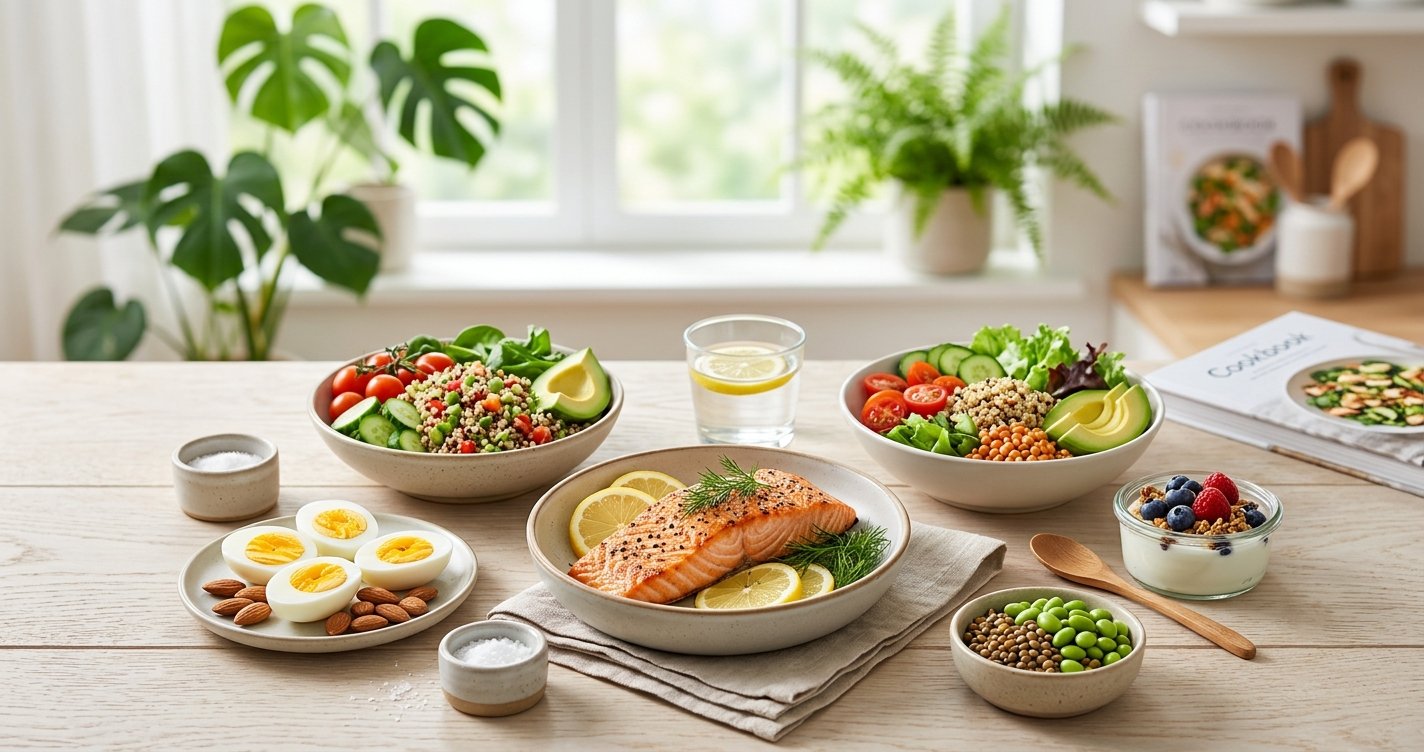
Are you on a journey to shed those extra pounds and achieve a healthier, more vibrant you? If so, you've likely heard a lot about various diets, exercise routines, and supplements. But what if one key nutrient held a significant, often underestimated, power in your fat loss arsenal? We're talking about protein – the unsung hero of sustainable weight management.
It's not just for bodybuilders or elite athletes. For anyone looking to lose fat effectively, preserve muscle, and feel satisfied along the way, optimizing protein intake is a game-changer. In this friendly, evidence-based guide, we'll dive deep into why protein is so crucial for fat loss, how much you truly need, the best sources, and practical strategies to seamlessly integrate more of this vital macronutrient into your daily life. Get ready to discover your secret weapon! this excellent wellness product
Why Protein is Your Secret Weapon for Fat Loss
Protein isn't just a building block for muscle; it plays multiple critical roles that directly impact your ability to lose fat and keep it off. Let's explore the science-backed reasons why protein should be at the forefront of your fat loss strategy.
The Satiety Factor: Feeling Full, Longer
One of the biggest challenges in fat loss is battling hunger and cravings. This is where protein shines! Studies consistently show that protein is the most satiating of the three macronutrients (protein, carbs, and fats). When you consume enough protein, it triggers the release of hormones like PYY and GLP-1, which signal fullness to your brain, helping to reduce your overall calorie intake throughout the day. Imagine feeling satisfied after meals, making it easier to resist unhealthy snacks and stick to your calorie goals.
Boosting Your Metabolism: The Thermic Effect of Food (TEF)
Did you know your body burns calories just to digest and process the food you eat? This is known as the Thermic Effect of Food (TEF). Protein has a significantly higher TEF compared to carbohydrates and fats. Approximately 20-30% of the calories from protein are burned during digestion, compared to 5-10% for carbs and 0-3% for fats. This means a higher protein intake subtly boosts your daily calorie expenditure, giving you a metabolic advantage in your fat loss journey.
Preserving Precious Muscle: A Key to Long-Term Success
When you're in a calorie deficit to lose fat, your body can sometimes break down muscle tissue for energy, not just fat. This is undesirable because muscle is metabolically active – it burns more calories at rest than fat does. A higher protein intake, especially when combined with resistance training, helps protect your lean muscle mass. By preserving muscle, you maintain a higher resting metabolic rate, making it easier to sustain your fat loss and prevent rebound weight gain in the long run.
How Much Protein Do You Really Need? Finding Your Sweet Spot
This is a common question, and the answer isn't a one-size-fits-all. While general dietary guidelines might suggest a lower amount, those recommendations are often for basic health, not optimal fat loss or muscle preservation.
General Recommendations vs. Fat Loss Goals
For general health, the Recommended Dietary Allowance (RDA) for protein is 0.8 grams per kilogram of body weight (0.36 grams per pound). However, for active individuals or those specifically aiming for fat loss, research suggests a higher intake is beneficial. Many experts recommend 1.6 to 2.2 grams of protein per kilogram of body weight (0.7 to 1.0 grams per pound) for individuals looking to lose fat while preserving muscle.
Factors Influencing Your Ideal Intake
- Activity Level: The more active you are, especially if you engage in strength training, the higher your protein needs will be to repair and build muscle.
- Age: As we age, our bodies become less efficient at utilizing protein, a phenomenon called anabolic resistance. Older adults may benefit from a higher intake to maintain muscle mass.
- Current Body Composition: If you have a significant amount of weight to lose, using your lean body mass (total weight minus fat mass) for calculations might be more accurate than total body weight.
Practical Example: If you weigh 150 pounds (approx. 68 kg) and are actively trying to lose fat, aiming for 0.8-1.0 grams per pound means 120-150 grams of protein per day. This might sound like a lot, but it's achievable with smart planning!
Top Protein Sources: Fueling Your Body Smartly
Variety is key when it comes to protein sources, ensuring you get a broad spectrum of amino acids and other essential nutrients. Here are some excellent options to build your meals around:
Animal-Based Powerhouses
- Lean Meats: Chicken breast, turkey, lean beef (sirloin, round), pork loin.
- Fish & Seafood: Salmon, tuna, cod, shrimp, tilapia. Rich in omega-3 fatty acids too!
- Eggs: A complete protein, versatile and affordable.
- Dairy: Greek yogurt (especially high in protein), cottage cheese, milk, whey protein.
Plant-Based Champions
- Legumes: Lentils, chickpeas, black beans, kidney beans.
- Soy Products: Tofu, tempeh, edamame. Highly versatile and complete proteins.
- Grains & Seeds: Quinoa (a complete protein), chia seeds, hemp seeds, pumpkin seeds.
- Nuts: Almonds, peanuts, walnuts (in moderation due to calorie density).
- Plant-Based Protein Powders: Pea, rice, soy, or blended options.
The Role of Protein Supplements
While whole foods should always be your primary source, protein powders can be incredibly convenient for hitting your daily targets, especially after workouts or when you're on the go. Whey protein is fast-digesting and popular, while casein is slower-digesting, making it ideal before bed. Plant-based options are excellent for those avoiding animal products.
Smart Strategies for Upping Your Protein Intake Throughout the Day
Knowing why and how much is great, but how do you actually do it? Here are practical, actionable tips to boost your protein intake consistently:
Don't Skip Breakfast: Start Strong
Many traditional breakfasts are carb-heavy. Shift your focus to protein. Think scrambled eggs, Greek yogurt with berries, cottage cheese, or a protein smoothie to kickstart your day with satiety and stable energy.
Protein with Every Meal and Snack
Instead of just a main protein dish, aim to include a significant protein source in all your meals. Pair a handful of almonds with an apple, add chicken to your salad, or mix protein powder into your oatmeal. This consistent intake helps manage hunger throughout the day.
Strategic Snacking
When hunger strikes between meals, reach for protein-rich snacks. Hard-boiled eggs, cheese sticks, a small container of Greek yogurt, a handful of edamame, or jerky are excellent choices that prevent you from reaching for less healthy, high-sugar options.
Meal Prepping for Success
Dedicate some time each week to prepare protein sources. Cook a batch of chicken breasts, roast some chickpeas, or boil a dozen eggs. Having these ready-to-eat options makes it much easier to assemble high-protein meals and snacks, even on busy days.
Addressing Common Protein Myths and Concerns
Despite its benefits, protein often gets a bad rap due to misconceptions. Let's clear the air with some evidence-based facts.
"Too Much Protein is Bad for Your Kidneys"
This is a widely circulated myth. For healthy individuals with normal kidney function, there is extensive research showing that a high protein intake (even up to 2.2 grams per kg of body weight) does not cause kidney damage. If you have pre-existing kidney disease, then your doctor may advise a lower protein diet, but this is a specific medical condition, not a general concern for the healthy population.
"Protein Makes You Bulky"
This concern, particularly common among women, is largely unfounded. Building significant muscle mass requires a specific combination of intense resistance training, a calorie surplus, and often, genetic predisposition. Simply increasing your protein intake will not automatically make you "bulky." Instead, it will support lean muscle development, which contributes to a toned physique, not excessive bulk.
"Only Bodybuilders Need Lots of Protein"
While bodybuilders certainly prioritize protein, its benefits extend far beyond the gym. As we've discussed, protein is crucial for satiety, metabolic health, and preserving muscle during fat loss for *everyone*. Whether you're an athlete, a busy professional, or just someone looking to improve their health, protein is your ally.
Putting It All Together: Your Action Plan for Protein-Powered Fat Loss
Ready to harness the power of protein? Here’s your simple action plan:
- Calculate Your Target: Aim for 0.8-1.0 grams of protein per pound of your goal body weight or current lean body mass.
- Prioritize Protein at Every Meal: Make protein the star of your plate, ensuring you get a significant portion at breakfast, lunch, and dinner.
- Smart Snacking: Replace sugary or refined carb snacks with protein-rich alternatives.
- Variety is Key: Incorporate a mix of animal and/or plant-based sources to get a full spectrum of nutrients.
- Consider Supplements: If meeting your goals through whole foods is challenging, a protein powder can be a convenient tool.
- Stay Consistent: Small, consistent changes add up to big results over time.
Conclusion
Optimizing your protein intake is one of the most impactful, yet often overlooked, strategies for sustainable fat loss. By embracing protein, you'll feel fuller, boost your metabolism, protect your precious muscle, and set yourself up for long-term success. It's not about deprivation or extreme measures, but about smart, evidence-based nutrition that supports your body and your goals. Start today, and unlock the incredible fat loss potential that protein offers!