Struggling to shed those stubborn pounds? Feeling constantly hungry while trying to eat less? You’re not alone. The world of fat loss can be confusing, filled with conflicting advice and quick fixes that rarely last. But what if there was one key macronutrient that could significantly boost your efforts, help you feel fuller, protect your muscles, and even rev up your metabolism? Enter protein – your ultimate ally in the journey to sustainable fat loss.
Often overlooked or misunderstood, protein isn't just for bodybuilders. It’s a foundational element for anyone looking to improve their body composition, feel more energetic, and achieve lasting results. In this evidence-based guide, we'll dive deep into why protein is so crucial, how much you really need, and practical, friendly strategies to make it a cornerstone of your diet. Get ready to unlock the power of protein and transform your fat loss journey! this excellent wellness product
Why Protein is Your Fat Loss MVP (Most Valuable Player)
When it comes to losing fat, many people focus solely on cutting calories. While a calorie deficit is essential, how you achieve that deficit makes all the difference. Protein plays a unique and powerful role, offering several distinct advantages that other macronutrients simply can’t match.
The Satiety Secret: Feeling Fuller, Longer
One of the biggest challenges with fat loss is managing hunger. Cravings and constant rumbling can derail even the best intentions. This is where protein shines! Protein is renowned for its ability to promote satiety – that wonderful feeling of fullness and satisfaction after a meal. Studies consistently show that high-protein meals keep you feeling fuller for longer compared to meals high in carbs or fats, even when calorie counts are similar. This means less snacking, fewer cravings, and an easier time sticking to your calorie goals without feeling deprived. Think of it as your natural appetite suppressant!
Boosting Your Metabolism: The Thermic Effect of Food (TEF)
Did you know that your body expends energy just to digest and process the food you eat? This is called the Thermic Effect of Food (TEF). And guess which macronutrient has the highest TEF? You guessed it – protein! Approximately 20-30% of the calories from protein are burned during digestion, compared to just 5-10% for carbohydrates and 0-3% for fats. This means that by prioritizing protein, you’re essentially boosting your daily calorie expenditure without doing anything extra. It’s like a tiny, continuous metabolic furnace working in your favor, helping you burn more calories even at rest.
Protecting Your Precious Muscle: The Key to a Leaner You
When you lose weight, especially quickly, there's always a risk of losing muscle mass along with fat. This is detrimental because muscle is metabolically active – it burns more calories at rest than fat tissue. Losing muscle can slow down your metabolism, making it harder to keep the weight off in the long run (hello, rebound weight gain!). A higher protein intake helps preserve lean muscle mass during a calorie deficit. This ensures that the weight you're losing is predominantly fat, leading to a leaner, stronger physique and a more robust metabolism that supports long-term fat loss success.
How Much Protein Do You REALLY Need for Fat Loss?
This is the million-dollar question, and while there's no single magic number, evidence-based guidelines can help you tailor your intake.
General Guidelines vs. Individual Needs
For general health, the Recommended Dietary Allowance (RDA) is 0.8 grams of protein per kilogram of body weight. However, for active individuals or those specifically aiming for fat loss, this amount is often insufficient. Research suggests that a higher protein intake is optimal for satiety, muscle preservation, and metabolic benefits during a calorie deficit.
- A good starting point for fat loss: Aim for approximately 1.6 to 2.2 grams of protein per kilogram of body weight (or 0.7 to 1.0 grams per pound of body weight) per day.
- Example: If you weigh 70 kg (about 154 lbs), you'd aim for 112-154 grams of protein daily. If you weigh 180 lbs, you'd target 126-180 grams.
Don't get too bogged down by exact numbers initially. The goal is progress, not perfection. Start by consciously increasing your protein intake at each meal and snack, and observe how you feel.
Making Protein a Priority: Practical Strategies
Incorporating more protein doesn’t have to be complicated or boring. With a few smart adjustments, you can easily hit your targets.
Smart Meal Planning: Spreading Protein Throughout Your Day
Instead of front-loading all your protein into one big dinner, aim to distribute it evenly across your meals. This helps maximize satiety and muscle protein synthesis throughout the day. Aim for 20-40 grams of protein at each main meal (breakfast, lunch, and dinner).
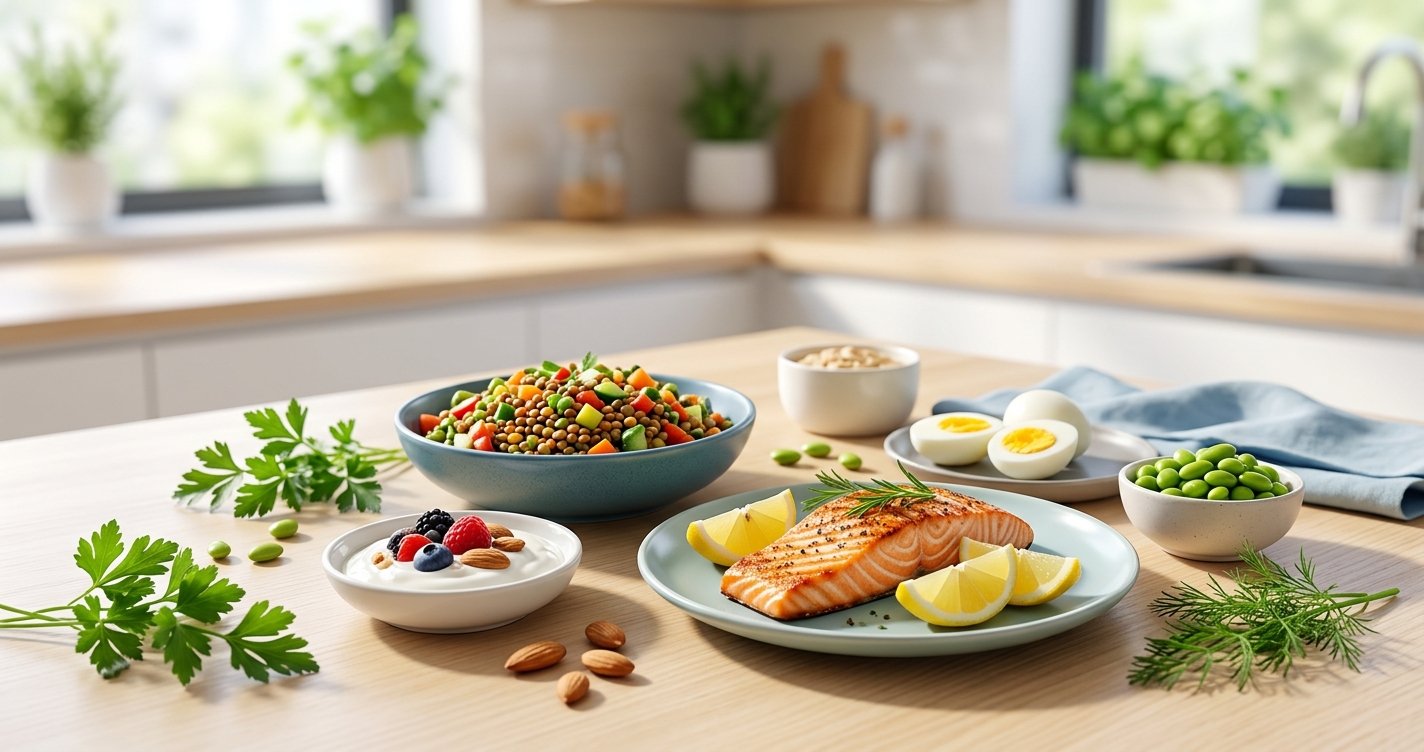
- Breakfast Boost: Swap sugary cereals for Greek yogurt with berries, scrambled eggs with veggies, or a protein smoothie.
- Lunch Power-Up: Add grilled chicken to your salad, choose a lean turkey sandwich on whole grain, or bring a lentil soup.
- Dinner Delights: Focus on a lean protein source like fish, chicken breast, lean beef, or tofu, accompanied by plenty of vegetables.
Top Protein Sources: From Animal to Plant-Based
Variety is key to getting a full spectrum of amino acids and other nutrients. Here are some excellent sources:
- Animal Sources: Lean beef, chicken breast, turkey, fish (salmon, cod, tuna), eggs, Greek yogurt, cottage cheese, milk.
- Plant-Based Sources: Lentils, chickpeas, black beans, edamame, tofu, tempeh, quinoa, seitan, hemp seeds, pumpkin seeds, nutritional yeast.
Protein Power-Ups: Snacks and Supplements
Sometimes, whole foods aren't enough or convenient. Protein-rich snacks and occasional supplements can fill the gaps.
- Snacks: A handful of almonds, a hard-boiled egg, a small container of cottage cheese, beef jerky, or a protein bar (choose wisely, check sugar content!).
- Supplements: Whey protein, casein protein, or plant-based protein powders (pea, rice, soy) can be excellent for quick shakes, especially post-workout or when you need a convenient boost. Remember, supplements are meant to supplement a healthy diet, not replace whole foods.
Common Protein Pitfalls and How to Avoid Them
Even with the best intentions, it's easy to make mistakes. Here are some common traps and how to navigate them.
Not Enough Variety
Eating chicken breast every single day can lead to boredom and nutrient deficiencies. Rotate your protein sources to enjoy different flavors and ensure you're getting a wide range of vitamins and minerals. Experiment with different spices and cooking methods!
Forgetting About Timing (or Overthinking It)
While the overall daily protein intake is more important than precise timing for most people, distributing protein throughout the day is generally more beneficial than eating it all at once. Don’t stress about hitting a “anabolic window” immediately after a workout; just ensure you’re getting enough protein in your post-exercise meal or snack.
Relying Solely on Supplements
Protein powders are convenient, but whole foods offer a host of other beneficial nutrients, fiber, and micronutrients that supplements often lack. Prioritize whole food protein sources and use supplements as a backup or a way to easily reach higher targets.
Beyond the Scale: The Holistic Benefits of High Protein
The advantages of a high-protein diet extend far beyond just fat loss.
- Improved Recovery: Protein is essential for repairing and rebuilding tissues, making it crucial for post-workout recovery and reducing muscle soreness.
- Stronger Bones: Adequate protein intake is linked to better bone mineral density, reducing the risk of osteoporosis.
- Better Blood Sugar Control: Protein slows down digestion, leading to a more gradual rise in blood sugar levels, which is beneficial for energy stability and preventing crashes.
- Hair, Skin, and Nail Health: These tissues are primarily made of protein, so sufficient intake contributes to their strength and vitality.
Your Sustainable Fat Loss Journey Starts Here
Embracing a protein-rich diet is one of the most effective, sustainable, and satisfying strategies for achieving your fat loss goals. It's not about deprivation; it's about smart nutrition that empowers your body to burn fat, build muscle, and keep you feeling great.
Start Small, Be Consistent
Don’t try to overhaul your entire diet overnight. Start by making one or two protein-focused changes each day. Add eggs to your breakfast, swap out a carb-heavy snack for Greek yogurt, or ensure every dinner includes a palm-sized portion of lean meat or plant protein. Consistency is far more powerful than perfection.
Listen to Your Body
Pay attention to how you feel. Are you less hungry? Do you have more sustained energy? Are your workouts feeling stronger? These are all signs that your body is responding positively to increased protein. Adjust your intake based on your activity levels and how your body feels.
By prioritizing protein, you’re not just chasing a number on the scale; you’re building a stronger, healthier, and more resilient you. It’s an investment in your well-being that pays dividends far beyond fat loss. So, go ahead – nourish your body with the power of protein and embark on a more satisfying, sustainable path to your best self!