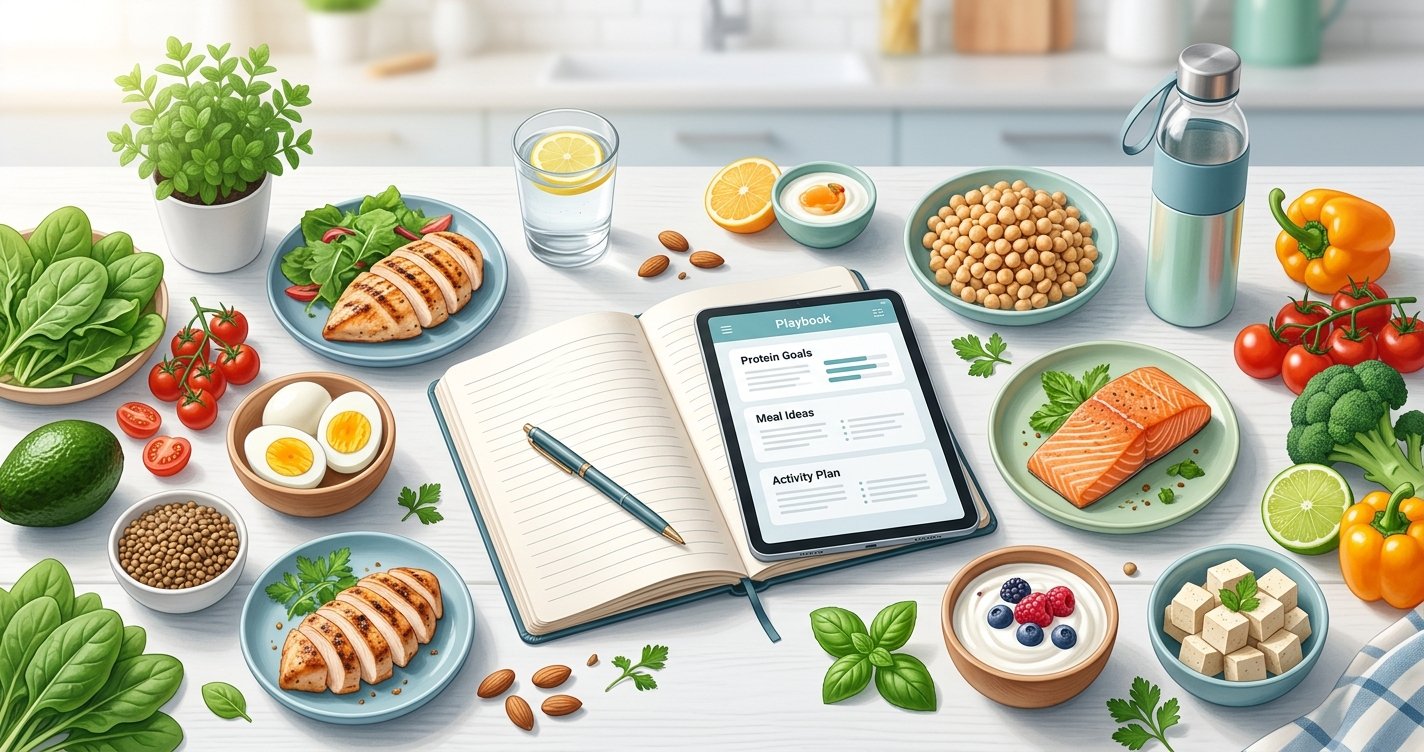
Tired of the endless cycle of crash diets and rebound weight gain? Many people embark on a fat loss journey feeling overwhelmed by conflicting advice, restrictive eating, and a constant battle against hunger. What if there was a powerful, evidence-based strategy that could help you feel fuller, boost your metabolism, and protect your hard-earned muscle, all while making fat loss more sustainable and enjoyable? Enter protein – your ultimate ally in achieving lasting results.
Protein isn't just for bodybuilders; it's a fundamental macronutrient crucial for everyone, especially those aiming for sustainable fat loss. It plays a pivotal role in satiety, thermogenesis, and muscle preservation, making it a cornerstone of any effective fat loss plan. In this friendly, evidence-based guide, we'll dive deep into why protein is so effective, how much you truly need, and practical ways to integrate more of this powerhouse nutrient into your daily life. Get ready to transform your approach to fat loss, one protein-packed meal at a time! this excellent wellness product
Why Protein is Your Best Friend in the Fat Loss Journey
Understanding why protein is so effective can empower you to make smarter dietary choices. It's not just about calories in vs. calories out; it's about optimizing your body's natural processes to work with you, not against you.
The Satiety Superstar: Feeling Fuller, Longer
One of the biggest hurdles in any fat loss journey is hunger. Restrictive diets often leave you feeling deprived and constantly thinking about food, which can lead to overeating or giving up altogether. This is where protein shines. Protein has a remarkable ability to increase satiety, meaning it helps you feel full and satisfied for longer periods compared to carbohydrates or fats.
This isn't just a feeling; it's backed by science. Protein influences the release of gut hormones, such as GLP-1 and PYY, which signal fullness to your brain. It also helps to suppress ghrelin, the 'hunger hormone.' By incorporating adequate protein into your meals, you're less likely to experience those nagging hunger pangs, reducing the urge to snack unnecessarily and naturally lowering your overall calorie intake without feeling deprived. Imagine eating fewer calories simply because you feel more content – that's the power of protein!
The Thermic Effect: Burning More Calories Just by Eating
Did you know that your body expends energy just to digest, absorb, and metabolize the food you eat? This is known as the Thermic Effect of Food (TEF). And guess which macronutrient has the highest TEF? You guessed it – protein! While carbohydrates have a TEF of 5-10% and fats have 0-3%, protein boasts a TEF of 20-30%. This means that for every 100 calories of protein you consume, your body burns 20-30 calories just to process it.
While this might seem like a small amount on a meal-by-meal basis, these calories add up over the course of a day, week, and month. By simply increasing your protein intake, you can subtly boost your daily calorie expenditure, making your fat loss efforts more efficient without having to spend extra time at the gym. It's like a metabolic bonus just for eating well!
Muscle Preservation: Protecting Your Metabolism
When you're in a calorie deficit to lose fat, your body doesn't just burn fat; it can also start to break down muscle tissue for energy. Losing muscle is detrimental to fat loss goals because muscle is metabolically active – it burns more calories at rest than fat does. If you lose muscle, your resting metabolic rate (RMR) decreases, making it harder to lose weight and easier to regain it.
Adequate protein intake is crucial for preserving lean muscle mass during a calorie deficit. Protein provides the amino acids your body needs to repair and build muscle tissue. When combined with resistance training, a high-protein diet sends a strong signal to your body to hold onto that precious muscle, ensuring that the weight you're losing is primarily fat. This not only helps maintain a higher metabolism but also contributes to a more toned and defined physique – a win-win for sustainable fat loss.
How Much Protein Do You Really Need for Fat Loss?
There's no one-size-fits-all answer, but general guidelines can help you get started. For optimal fat loss and muscle preservation, most research suggests a protein intake significantly higher than the standard Recommended Dietary Allowance (RDA) of 0.8 grams per kilogram of body weight.
- For active individuals aiming for fat loss: A commonly recommended range is 1.6 to 2.2 grams of protein per kilogram of body weight (or 0.7 to 1 gram per pound of body weight) per day.
- Example: If you weigh 70 kg (approx. 154 lbs), you'd aim for roughly 112-154 grams of protein per day. If you weigh 180 lbs, that would be 126-180 grams.
Distributing your protein intake throughout the day (e.g., 20-40 grams per meal, plus snacks) is also beneficial for maximizing muscle protein synthesis and satiety. Don't feel pressured to hit an exact number every single day, but aim for consistency within this range.
Smart Protein Choices: Fueling Your Body Right
Not all protein sources are created equal. Prioritizing whole, unprocessed sources will provide you with not only protein but also essential vitamins, minerals, and other beneficial nutrients. Here are some excellent choices:
Lean Animal Proteins
- Chicken Breast & Turkey: Versatile, low in fat, and packed with protein.
- Lean Beef & Pork: Opt for leaner cuts like sirloin, tenderloin, or extra-lean ground options.
- Fish & Seafood: Salmon (rich in omega-3s), cod, tuna, shrimp, and tilapia are fantastic choices.
- Eggs: A complete protein source, affordable, and incredibly versatile.
Plant-Based Powerhouses
- Legumes: Lentils, chickpeas, black beans, kidney beans are fiber-rich and great sources of protein.
- Tofu & Tempeh: Soy-based products that are excellent meat alternatives, especially tempeh which is fermented and nutrient-dense.
- Edamame: Delicious as a snack or added to stir-fries.
- Quinoa: A complete protein grain, perfect as a side or base for salads.
- Nuts & Seeds: Almonds, peanuts, chia seeds, flax seeds, and pumpkin seeds offer protein and healthy fats.
Dairy & Supplements (Optional but Helpful)
- Greek Yogurt & Cottage Cheese: High in protein, often low in fat, and great for snacks or meals. Look for plain, unsweetened varieties.
- Whey/Casein Protein Powder: Convenient for boosting protein intake, especially post-workout or when you're short on time. Choose reputable brands with minimal added sugars.
Integrating Protein Into Your Daily Meals: Practical Strategies
Knowing what to eat is one thing; putting it into practice is another. Here are some simple, actionable strategies to boost your protein intake throughout the day:
Don't Skip Breakfast: Start Strong with Protein
Beginning your day with a protein-rich breakfast sets the tone for sustained energy and satiety. Instead of sugary cereals or pastries, try:
- Scrambled eggs with spinach and a slice of whole-wheat toast.
- Greek yogurt with berries and a sprinkle of nuts.
- A protein smoothie made with protein powder, fruit, and leafy greens.
- Cottage cheese with sliced tomatoes and a dash of pepper.
Make Every Meal a Protein-Packed Event
Aim to include a good source of protein in every main meal. This helps distribute your intake evenly and maximizes the benefits.
- Lunch: Add grilled chicken to your salad, choose a turkey and veggie wrap, or have a bowl of lentil soup.
- Dinner: Pair lean meat, fish, or plant-based protein with a generous portion of vegetables and a smart carb source like quinoa or sweet potato.
Smart Snacking: Protein to the Rescue
When hunger strikes between meals, reach for protein-rich snacks to keep you full and prevent unhealthy choices.
- A handful of almonds or walnuts.
- Hard-boiled eggs.
- A small container of Greek yogurt.
- Beef jerky (check for low sugar varieties).
- Apple slices with peanut butter (in moderation).
Pre- and Post-Workout: Timing Considerations
While total daily protein intake is more crucial than precise timing, consuming protein around your workouts can be beneficial. A protein shake or a small protein-rich snack before or after exercise can aid in muscle recovery and growth.
Beyond Protein: Holistic Habits for Lasting Success
While protein is a powerful tool, it's part of a larger picture. Sustainable fat loss is achieved when you adopt a holistic approach that supports your overall health and well-being.
Strength Training is Key
Combining a high-protein diet with regular strength training creates a powerful synergy for fat loss. Resistance exercises stimulate muscle growth and preservation, further enhancing your metabolism and body composition. Aim for 2-3 full-body strength training sessions per week.
Hydration
Often overlooked, adequate water intake is vital. Water supports metabolic processes, helps transport nutrients, and can even contribute to feelings of fullness. Aim for at least 8 glasses of water daily, more if you're active.
Quality Sleep
Don't underestimate the power of sleep. Poor sleep can disrupt hormones that regulate hunger (ghrelin) and satiety (leptin), making you hungrier and more prone to cravings. Prioritize 7-9 hours of quality sleep each night.
Stress Management
Chronic stress can lead to elevated cortisol levels, which can promote fat storage, particularly around the abdomen. Incorporate stress-reducing activities like meditation, yoga, spending time in nature, or hobbies you enjoy.
Conclusion: Embrace the Power of Protein for a Healthier You
Embarking on a fat loss journey can feel daunting, but with the right strategies, it can be a transformative experience. Protein, with its incredible ability to enhance satiety, boost metabolism, and preserve muscle, stands out as a cornerstone of sustainable fat loss. By consciously increasing your protein intake through smart food choices and integrating it throughout your day, you're not just cutting calories; you're optimizing your body's natural systems to work in your favor.
Remember, this isn't about perfection, but consistency. Start by making small, manageable changes. Add an extra serving of protein to one meal, swap a sugary snack for a protein-rich alternative, or try a new protein source each week. Combine these dietary adjustments with regular strength training, ample hydration, quality sleep, and stress management, and you'll be well on your way to achieving not just fat loss, but a healthier, stronger, and more vibrant you. Your body will thank you!