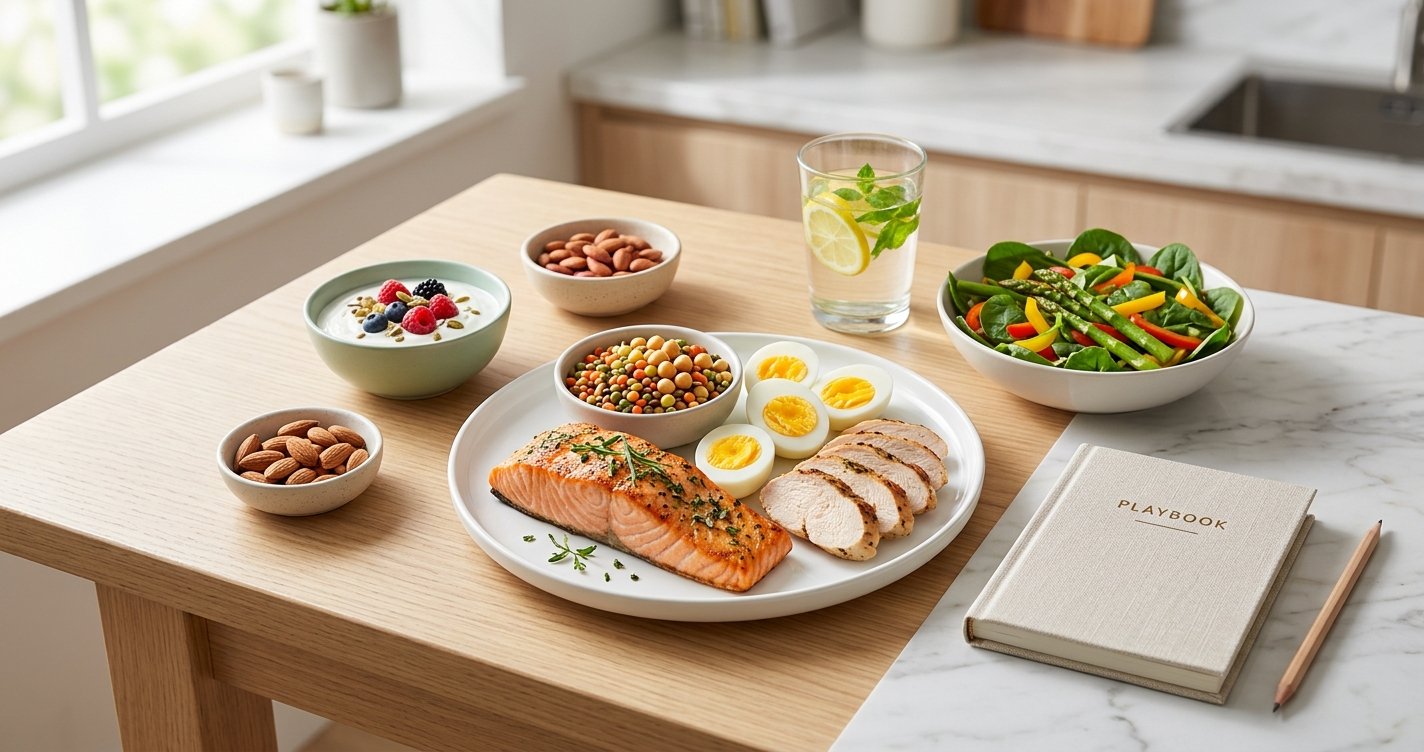
The Protein Playbook: Unlock Sustainable Fat Loss & Feel Fuller Longer
Are you tired of diets that promise quick fixes but leave you feeling hungry, deprived, and ultimately back where you started? It's a common story, and often, the missing piece of the puzzle isn't some complex dietary restriction, but a simple, powerful macronutrient: protein. Often hailed by bodybuilders, protein is a true unsung hero for anyone looking to achieve sustainable fat loss. It’s not just about building muscle; it’s about feeling satisfied, boosting your metabolism, and making healthy eating an enjoyable, long-term lifestyle.
In this friendly, evidence-based guide, we'll dive deep into why protein is your best friend on a fat loss journey. We’ll explore its incredible benefits, demystify how much you need, and provide practical, easy-to-implement strategies to effortlessly boost your intake. Get ready to transform your approach to eating, feel fantastic, and build habits that truly last. this excellent wellness product
Why Protein is Your Secret Weapon for Fat Loss
Forget the fads; protein's role in fat loss is backed by solid science. It impacts your body in several profound ways that directly contribute to shedding unwanted fat and keeping it off.
The Thermic Effect of Food (TEF): Burn More Calories Just by Eating!
Did you know your body burns calories just to digest and process the food you eat? This is called the Thermic Effect of Food (TEF), and protein has the highest TEF of all macronutrients. While carbohydrates have a TEF of 5-10% and fats around 0-3%, protein boasts a TEF of 20-30%. This means that for every 100 calories of protein you consume, your body uses 20-30 calories just to break it down. Incorporating more protein into your diet can significantly increase your daily energy expenditure, giving you a metabolic advantage without even hitting the gym!
Satiety Power: Beat Cravings & Stay Full
One of the biggest struggles on any fat loss journey is hunger and cravings. This is where protein truly shines. Protein is incredibly satiating, meaning it helps you feel fuller for longer. It does this by influencing several hunger-regulating hormones, such as ghrelin (the hunger hormone) and GLP-1 and PYY (satiety hormones). Studies consistently show that high-protein diets lead to reduced appetite and spontaneous calorie intake. When you feel satisfied, you're less likely to snack on unhealthy foods, making it easier to stick to your calorie goals and avoid overeating.
Muscle Preservation: Protect Your Metabolism
When you're in a calorie deficit to lose fat, your body can sometimes break down muscle tissue for energy, not just fat. This is problematic because muscle is metabolically active – it burns more calories at rest than fat does. Losing muscle can slow down your metabolism, making future fat loss harder and increasing the likelihood of regaining weight. A higher protein intake helps to signal your body to preserve precious muscle mass, ensuring that the weight you lose is primarily fat, not muscle. This keeps your metabolism humming and supports a healthier body composition.
How Much Protein Do You Really Need for Fat Loss?
While individual needs can vary based on activity level, age, and current body composition, general recommendations for fat loss are often higher than the standard dietary guidelines. For active individuals aiming for fat loss, a common target is around 0.7 to 1 gram of protein per pound of lean body mass, or approximately 1.6 to 2.2 grams per kilogram of total body weight. For example, a person weighing 150 pounds might aim for 105 to 150 grams of protein per day.
It might seem like a lot, but by distributing your protein intake across all your meals and snacks, it becomes much more manageable. Listen to your body and consider consulting with a registered dietitian or nutritionist to tailor a plan specifically for your unique needs and health goals.
Practical Strategies to Boost Your Protein Intake
Incorporating more protein into your diet doesn't have to be complicated or boring. Here are some simple, delicious ways to ensure you're getting enough:
Smart Meal Planning: Distribute Protein Throughout Your Day
Instead of front-loading or back-loading your protein, aim to include a substantial source in every meal and snack. This helps maximize satiety and muscle protein synthesis throughout the day.
- Breakfast: Start strong with eggs, Greek yogurt, cottage cheese, or a protein smoothie.
- Lunch: Opt for lean chicken, fish, beans, or tofu in salads, wraps, or as a main dish.
- Dinner: Focus on lean proteins like chicken breast, salmon, lean beef, or lentils.
- Snacks: Choose protein-rich options between meals to curb hunger.
Top Protein Sources to Include in Your Diet
Variety is the spice of life, and it's also key for getting a broad spectrum of nutrients. Here are some excellent protein sources:
- Animal-Based: Lean meats (chicken breast, turkey, lean beef, pork tenderloin), fish (salmon, tuna, cod), eggs, dairy (Greek yogurt, cottage cheese, milk, cheese).
- Plant-Based: Lentils, chickpeas, black beans, tofu, tempeh, edamame, quinoa, nuts, seeds (chia, flax, hemp), nutritional yeast.
- Supplements: Protein powders (whey, casein, soy, pea, rice) can be a convenient way to boost intake, especially post-workout or as part of a smoothie.
Easy Protein Hacks for Busy Lifestyles
Life gets hectic, but that's no excuse to neglect your protein goals:
- Prep Ahead: Cook a batch of chicken breast or hard-boiled eggs for the week.
- Smart Snacks: Keep protein bars, Greek yogurt, string cheese, or a handful of almonds handy.
- Add-Ins: Stir protein powder into oatmeal, coffee, or pancake batter. Add lentils to soups or ground meat.
- Choose Wisely When Eating Out: Prioritize dishes with lean protein sources like grilled chicken salads, fish, or bean-based meals.
Beyond the Plate: Protein's Role with Other Fat Loss Pillars
While protein is incredibly powerful, it works best when integrated into a holistic approach to health and fat loss. Think of it as a cornerstone, supporting other vital elements:
- Calorie Deficit: Protein makes achieving a sustainable calorie deficit easier by increasing satiety and TEF.
- Strength Training: Lifting weights, combined with adequate protein, is the ultimate duo for building and preserving muscle, which is crucial for a healthy metabolism.
- Hydration: Staying well-hydrated is essential for overall health and can help manage hunger cues, complementing protein's satiety effects.
- Sleep: Quality sleep regulates hormones that impact hunger, metabolism, and recovery, amplifying the benefits of a high-protein diet.
- Stress Management: Chronic stress can hinder fat loss. Managing stress through mindfulness, exercise, or hobbies creates an optimal environment for your body to thrive.
Common Protein Myths Debunked
There's a lot of misinformation out there. Let's clear up a couple of common protein myths:
- Myth: "Too much protein is bad for your kidneys." For healthy individuals with normal kidney function, there is extensive research showing that high protein intakes (even up to 2.2 g/kg/day or higher) are safe and do not cause kidney damage. If you have pre-existing kidney disease, consult your doctor.
- Myth: "Protein makes you bulky." Eating protein alone will not make you bulky, especially for women. Building significant muscle mass requires a specific training regimen, a caloric surplus, and often specific hormonal profiles. Protein helps build and repair muscle, but it won't magically make you look like a bodybuilder.
Embrace the Power of Protein for Lasting Change
The journey to sustainable fat loss doesn't have to be a constant battle against hunger and deprivation. By harnessing the incredible power of protein, you can transform your relationship with food, feel more satisfied, boost your metabolism, and preserve valuable muscle mass. It's a fundamental shift that moves you away from restrictive dieting and towards a nourishing, balanced, and truly sustainable way of eating.
Start today by making small, consistent changes. Add an extra serving of lean protein to your breakfast, choose a protein-rich snack, or swap out a carb-heavy side for a protein-packed alternative. Your body will thank you, and you'll be well on your way to achieving your fat loss goals in a healthy, enjoyable, and lasting way. Here's to a stronger, leaner, and more energized you!