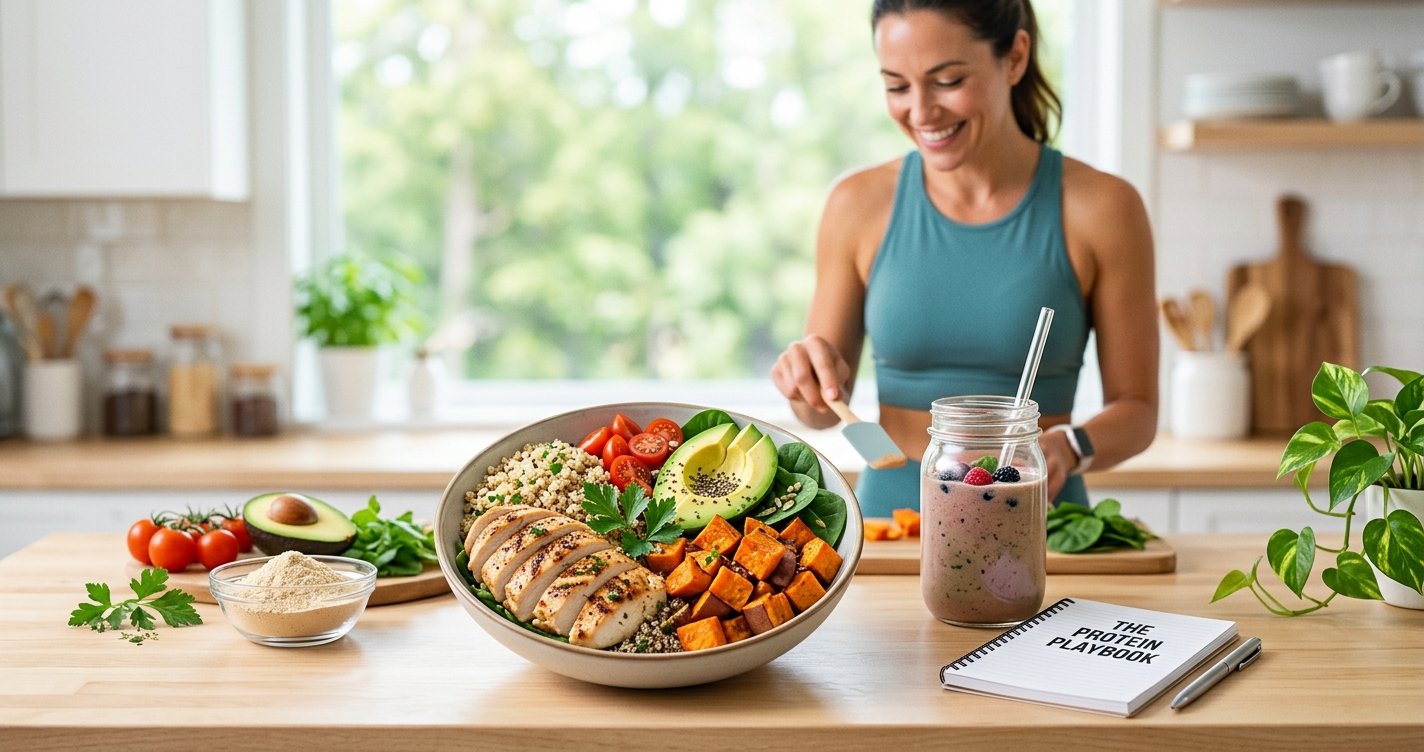
The Protein Playbook: Unlock Sustainable Fat Loss & Keep It Off For Good
When you hear “fat loss,” what’s the first thing that comes to mind? Often, it’s endless cardio, restrictive diets, or trendy detoxes. But what if we told you there’s a powerful, often overlooked macronutrient that can revolutionize your fat loss journey, making it more effective, enjoyable, and sustainable? We’re talking about protein.
Forget the myth that protein is just for bodybuilders. For anyone looking to shed excess body fat, preserve precious muscle, and genuinely feel their best, protein is your unsung hero. It plays a crucial role in satiety, metabolism, and maintaining a healthy body composition. In this evidence-based guide, we’ll dive deep into why protein is your ultimate ally for sustainable fat loss and how you can easily incorporate more of it into your daily life. Get ready to transform your approach to eating and achieve lasting results! this excellent wellness product
Why Protein is Your Secret Weapon for Fat Loss (It's More Than Just Muscles!)
While protein is foundational for building and repairing muscle, its benefits for fat loss extend far beyond the gym. It’s a metabolic powerhouse that impacts how your body feels, functions, and burns calories.
The Satiety Superstar: Feeling Full, Longer
One of the biggest challenges in any fat loss journey is battling hunger and cravings. This is where protein truly shines! Protein is incredibly satiating, meaning it helps you feel fuller for longer compared to carbohydrates or fats. This isn't just a feeling; it's backed by science.
When you consume protein, it triggers the release of specific hormones in your gut, such as GLP-1, PYY, and cholecystokinin (CCK), which signal to your brain that you're full and satisfied. It also helps to suppress ghrelin, the 'hunger hormone'. The result? You’re less likely to overeat at your next meal or reach for unhealthy snacks between meals, naturally reducing your overall calorie intake without feeling deprived.
Fueling Your Metabolism: The Thermic Effect of Food (TEF)
Did you know that your body expends energy just to digest, absorb, and metabolize the food you eat? This is known as the Thermic Effect of Food (TEF), and protein has the highest TEF of all the macronutrients.
Roughly 20-30% of the calories you consume from protein are used up in its digestion. Compare this to 5-10% for carbohydrates and just 0-3% for fats. This means that by simply eating more protein, you’re burning more calories throughout the day, essentially giving your metabolism a gentle, continuous boost. It’s like a passive calorie burn that adds up over time, making your fat loss efforts more efficient.
Preserve Your Power: Keeping Muscle While Losing Fat
When you embark on a fat loss journey, the goal is to lose fat, not muscle. Unfortunately, when you create a calorie deficit (eating fewer calories than you burn), your body can sometimes break down muscle tissue for energy, especially if protein intake is insufficient. This is detrimental because muscle is metabolically active — it burns more calories at rest than fat tissue does.
Adequate protein intake is crucial for signaling to your body to preserve lean muscle mass during a calorie deficit. Protein provides the essential amino acids your muscles need to repair and grow, preventing their breakdown. By maintaining or even building muscle while losing fat, you improve your body composition, leading to a more toned physique and a more robust metabolism in the long run. This is why combining a high-protein diet with strength training is a powerful duo for sustainable fat loss.
How Much Protein Do You Really Need for Fat Loss?
The recommended daily allowance (RDA) for protein is 0.8 grams per kilogram of body weight, but this is a minimum to prevent deficiency, not necessarily optimal for fat loss or active individuals.
For effective and sustainable fat loss, research suggests a higher intake. A good target range is typically between 1.6 to 2.2 grams of protein per kilogram of body weight (0.7 to 1.0 gram per pound of body weight). For example, if you weigh 70 kg (about 154 lbs), you’d aim for approximately 112 to 154 grams of protein per day.
This range helps maximize satiety, preserve muscle, and boost TEF. Your specific needs might vary based on your activity level, age, and individual goals. It's always a good idea to spread your protein intake throughout the day across all meals and snacks to optimize absorption and muscle protein synthesis.
Smart Protein Choices: Fueling Your Body Right
Not all protein sources are created equal in terms of nutrient density and fat content. Focusing on lean, high-quality protein sources will help you hit your protein targets without excessive calories or unhealthy fats.
Lean Animal Sources:
- Chicken Breast & Turkey: Excellent lean protein, versatile for many dishes.
- Lean Beef & Pork: Opt for cuts like sirloin, tenderloin, or extra-lean ground options.
- Fish & Seafood: Salmon, tuna, cod, shrimp, and tilapia are packed with protein and often healthy fats (especially fatty fish like salmon).
- Eggs: A complete protein source, incredibly versatile and affordable.
- Dairy: Greek yogurt, cottage cheese, and skim milk are high in protein and calcium.
Plant-Based Powerhouses:
- Legumes: Lentils, chickpeas, black beans, and kidney beans are rich in protein and fiber.
- Tofu & Tempeh: Versatile soy products that absorb flavors well.
- Edamame: Great as a snack or addition to salads.
- Quinoa: A complete protein grain that can be used as a base for meals.
- Nuts & Seeds: Almonds, peanuts, chia seeds, flax seeds, and pumpkin seeds offer protein, healthy fats, and fiber (in moderation due to calorie density).
- Protein Powders: Pea, soy, rice, or hemp protein powders can be convenient supplements, especially for post-workout or quick boosts.
Making Protein a Priority: Practical Tips & Tricks
Incorporating more protein into your diet doesn't have to be complicated. Here are some actionable tips to help you hit your goals:
- Start Your Day Strong: Make breakfast protein-rich. Think eggs, Greek yogurt, cottage cheese, or a protein smoothie. This sets you up for satiety throughout the day.
- Protein at Every Meal: Aim to include a lean protein source in every main meal. This helps stabilize blood sugar and keeps hunger at bay.
- Smart Snacking: Replace sugary snacks with protein-rich options like a handful of almonds, a hard-boiled egg, cheese sticks, or a small serving of Greek yogurt.
- Plan Ahead: Meal prepping can be a game-changer. Cook a batch of chicken breast, lean ground turkey, or lentils at the beginning of the week to easily add to meals.
- Don't Forget Your Veggies: Combine protein with plenty of non-starchy vegetables for fiber and micronutrients, which further enhance satiety and overall health.
- Use Protein Powders Wisely: While whole foods are always best, protein powders can be a convenient way to boost your intake, especially after workouts or when you're short on time.
- Hydrate: Sometimes thirst can be mistaken for hunger. Ensure you're drinking enough water throughout the day.
Beyond the Scale: The Holistic Benefits of a High-Protein Approach
While fat loss is a primary goal, increasing your protein intake offers a cascade of other health benefits that contribute to overall well-being:
- Improved Body Composition: Beyond just losing weight, you’ll likely see a more favorable fat-to-muscle ratio, leading to a more toned and defined physique.
- Better Energy Levels: Protein helps stabilize blood sugar, preventing the energy crashes often associated with high-carb, low-protein meals.
- Stronger Hair, Skin, and Nails: Protein is a fundamental building block for these tissues, contributing to their health and vitality.
- Enhanced Recovery: For those who exercise, adequate protein intake is essential for muscle repair and recovery, helping you bounce back faster and perform better.
- Bone Health: Studies suggest that higher protein intake, especially from animal sources, is associated with better bone mineral density, reducing the risk of osteoporosis.
Focusing on these broader health improvements can shift your perspective from just chasing a number on the scale to embracing a healthier, stronger, and more energetic you.
Conclusion: Your Sustainable Path to Fat Loss Starts with Protein
Protein isn't just a nutrient; it's a strategic ally in your fat loss journey. By prioritizing protein, you're not just cutting calories; you're leveraging your body's natural mechanisms to feel fuller, boost your metabolism, and preserve the muscle that keeps your body strong and efficient.
Remember, sustainable fat loss is about making consistent, informed choices, not chasing quick fixes. Start by gradually increasing your protein intake, making smart food choices, and listening to your body. Embrace the power of protein, and you'll not only achieve your fat loss goals but also build a foundation for lasting health, vitality, and a body you feel truly confident in. You’ve got this!