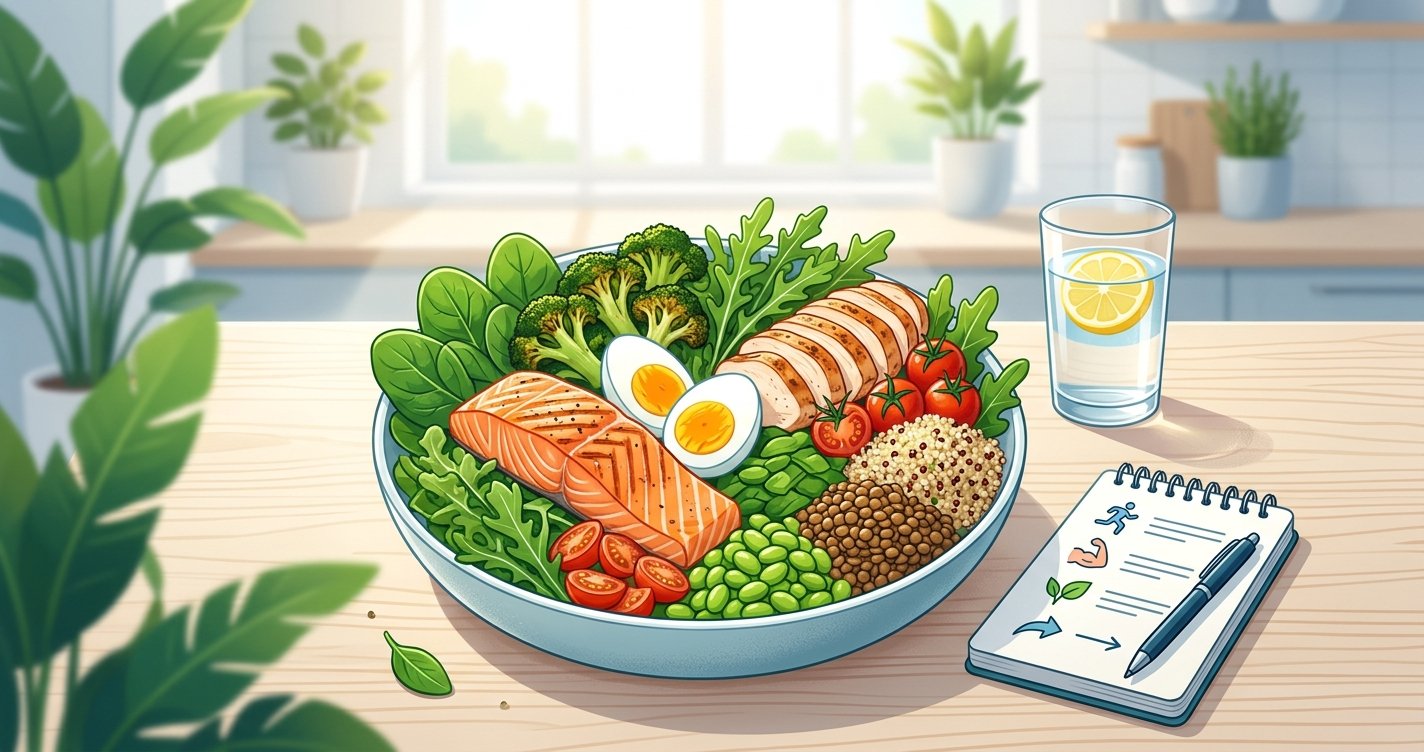
Why Protein is Your Secret Weapon for Fat Loss
When it comes to shedding unwanted body fat, many people focus solely on cutting calories or increasing cardio. While these are certainly components of the equation, there's one powerful macronutrient often overlooked or underestimated: protein. Protein isn't just for bodybuilders; it's a fundamental building block for a healthier, leaner you. Incorporating enough protein into your diet can be a game-changer for sustainable fat loss, helping you feel fuller, preserve muscle, and even burn more calories.
The Satiety Superstar: Feeling Fuller, Longer
One of the biggest challenges in any fat loss journey is managing hunger. Cravings and constant feelings of emptiness can derail even the most determined efforts. This is where protein shines! Protein has a remarkable ability to increase satiety, meaning it keeps you feeling full and satisfied for longer periods compared to carbohydrates or fats. This isn't just a feeling; it's backed by science. Protein influences the release of gut hormones like PYY and GLP-1, which signal fullness to your brain, while simultaneously reducing levels of ghrelin, the 'hunger hormone'. this excellent wellness product
- Less Snacking: Feeling satiated naturally reduces the urge to snack between meals.
- Better Portion Control: You're less likely to overeat at your next meal.
- Reduced Cravings: Stable blood sugar and sustained fullness help keep those tempting cravings at bay.
The Thermic Effect: Burning More Calories Just by Eating
Did you know that your body expends energy just to digest and process the food you eat? This is known as the Thermic Effect of Food (TEF). And guess which macronutrient has the highest TEF? You guessed it – protein! Approximately 20-30% of the calories from protein are used during its digestion and absorption, compared to 5-10% for carbohydrates and 0-3% for fats. This means that by simply choosing protein-rich foods, you're giving your metabolism a small, but consistent, boost throughout the day. Over time, these extra calories burned can add up, contributing to your overall fat loss efforts.
Muscle Preservation: Protecting Your Metabolism
When you're in a calorie deficit to lose fat, your body can sometimes break down muscle tissue for energy, not just fat. This is undesirable because muscle is metabolically active, meaning it burns more calories at rest than fat does. Losing muscle can slow down your metabolism, making further fat loss more challenging and increasing the likelihood of weight regain. A high-protein diet helps to mitigate muscle loss, especially when combined with strength training. By preserving your precious muscle mass, you protect your metabolic rate, making your fat loss journey more efficient and sustainable.
How Much Protein Do You Really Need?
The recommended daily allowance (RDA) for protein is often cited as 0.8 grams per kilogram of body weight (0.36 grams per pound). However, for active individuals or those specifically aiming for fat loss and muscle preservation, this amount is generally considered too low. Research suggests that higher protein intakes are beneficial in these scenarios.
General Guidelines vs. Individual Needs
Your ideal protein intake depends on several factors, including your activity level, age, current body weight, and fat loss goals. A sedentary individual will require less protein than an athlete or someone regularly lifting weights.
The "Sweet Spot" for Fat Loss
For sustainable fat loss and muscle preservation, a good target range is often cited as 1.6 to 2.2 grams of protein per kilogram of body weight (approximately 0.7 to 1.0 grams per pound of body weight). For example, if you weigh 150 pounds, aiming for 105-150 grams of protein per day would be a great starting point. Don't worry about hitting an exact number every single day; consistency over time is what truly matters.
Practical Strategies to Boost Your Protein Intake
Now that you understand the 'why' and 'how much,' let's talk about the 'how.' Increasing your protein intake doesn't have to be complicated or boring. Here are some simple, actionable strategies:
Smart Meal Planning: Spreading Protein Throughout Your Day
Instead of trying to cram all your protein into one meal, aim to distribute it evenly across your meals and snacks. This helps optimize muscle protein synthesis and keeps you feeling satisfied throughout the day.
- Breakfast Power-Up: Start your day with protein. Think eggs, Greek yogurt, cottage cheese, or a protein smoothie.
- Lunch & Dinner Anchors: Make lean protein the centerpiece of your main meals.
- Strategic Snacking: Opt for protein-rich snacks like a handful of almonds, string cheese, hard-boiled eggs, or jerky.
Protein-Packed Food Choices
Variety is key! Incorporate a mix of animal and plant-based protein sources into your diet:
- Lean Meats: Chicken breast, turkey, lean beef, pork tenderloin.
- Fish & Seafood: Salmon, cod, tuna, shrimp (rich in omega-3s too!).
- Eggs: The ultimate versatile protein source.
- Dairy: Greek yogurt, cottage cheese, milk, kefir.
- Legumes & Beans: Lentils, chickpeas, black beans (great plant-based options).
- Nuts & Seeds: Almonds, peanuts, pumpkin seeds, chia seeds.
- Plant-Based Alternatives: Tofu, tempeh, edamame, seitan.
The Role of Protein Supplements (and when they're useful)
While whole foods should always be your primary source of protein, supplements can be a convenient and effective way to meet your daily targets, especially if you have a busy lifestyle or higher protein needs. Whey protein, casein protein, and various plant-based powders (soy, pea, rice) are popular choices. They are particularly useful post-workout or as a quick meal replacement when whole food options aren't readily available. Remember, they are meant to supplement, not replace, a balanced diet.
Beyond the Grams: Quality and Timing Matter Too
While hitting your protein target is important, the quality of your protein sources and how you time your intake can also play a role in optimizing your results.
Complete vs. Incomplete Proteins
Proteins are made up of amino acids, some of which are 'essential' because our bodies can't produce them. Animal proteins (meat, fish, eggs, dairy) are generally considered 'complete' proteins, meaning they contain all nine essential amino acids. Many plant-based proteins are 'incomplete,' lacking one or more essential amino acids. However, by combining different plant protein sources throughout the day (e.g., rice and beans), you can still get all the essential amino acids your body needs. Don't stress too much about combining them in every single meal; a varied diet typically takes care of this.
Optimizing Protein Synthesis: The Anabolic Window (Revisited)
You might have heard about the 'anabolic window' – a supposedly critical short period after a workout where you must consume protein to maximize muscle growth. While it's beneficial to consume protein within a few hours post-workout, the window is much wider than once thought. What's more important for muscle protein synthesis and overall results is consistent, adequate protein intake throughout the entire day, rather than hyper-focusing on a narrow post-workout timeframe.
Common Protein Myths Debunked
Despite its benefits, protein often gets a bad rap due to persistent myths. Let's clear up some common misconceptions.
"Too Much Protein is Bad for Your Kidneys"
This is a widely circulated myth. For healthy individuals with normal kidney function, there is no scientific evidence to suggest that a high-protein diet causes kidney damage. In fact, studies have shown that high protein intake is generally safe. However, if you have pre-existing kidney disease, it's crucial to consult your doctor or a registered dietitian to determine an appropriate protein intake for your specific condition.
"Protein Will Make You Bulky"
This concern often arises, especially among women. The truth is, protein alone does not make you bulky. Building significant muscle mass requires a combination of high-intensity resistance training, a calorie surplus, and specific hormonal profiles. While protein supports muscle growth, consuming it within a calorie deficit for fat loss will primarily help you preserve existing muscle and achieve a leaner, more toned physique, not a bulky one.
Integrating Protein into a Holistic Fat Loss Plan
While protein is a powerful ally, remember that it's one piece of a larger puzzle. For optimal and sustainable fat loss, integrate your increased protein intake with other healthy lifestyle habits.
Don't Forget the Fiber, Healthy Fats, and Smart Carbs
A balanced diet includes all macronutrients. Ensure you're also consuming plenty of fiber-rich vegetables and fruits for micronutrients and digestive health, healthy fats (avocado, nuts, olive oil) for hormone function and satiety, and smart, complex carbohydrates (whole grains, sweet potatoes) for energy.
The Importance of Strength Training and Adequate Sleep
Combine your high-protein diet with regular strength training to maximize muscle preservation and growth, which further boosts your metabolism. Additionally, prioritize 7-9 hours of quality sleep each night. Poor sleep can disrupt hormones that regulate hunger and fat storage, making fat loss significantly harder.
Your Sustainable Path to a Leaner You
Embracing a protein-rich diet is one of the most effective, evidence-based strategies you can adopt for sustainable fat loss. It empowers you to feel fuller, protect your metabolism by preserving muscle, and even burn more calories through digestion. By making smart food choices, spreading your protein intake throughout the day, and combining it with strength training and healthy lifestyle habits, you're not just losing weight; you're building a stronger, healthier, and more vibrant you. Start your protein playbook today and unlock a more sustainable path to your fat loss goals!