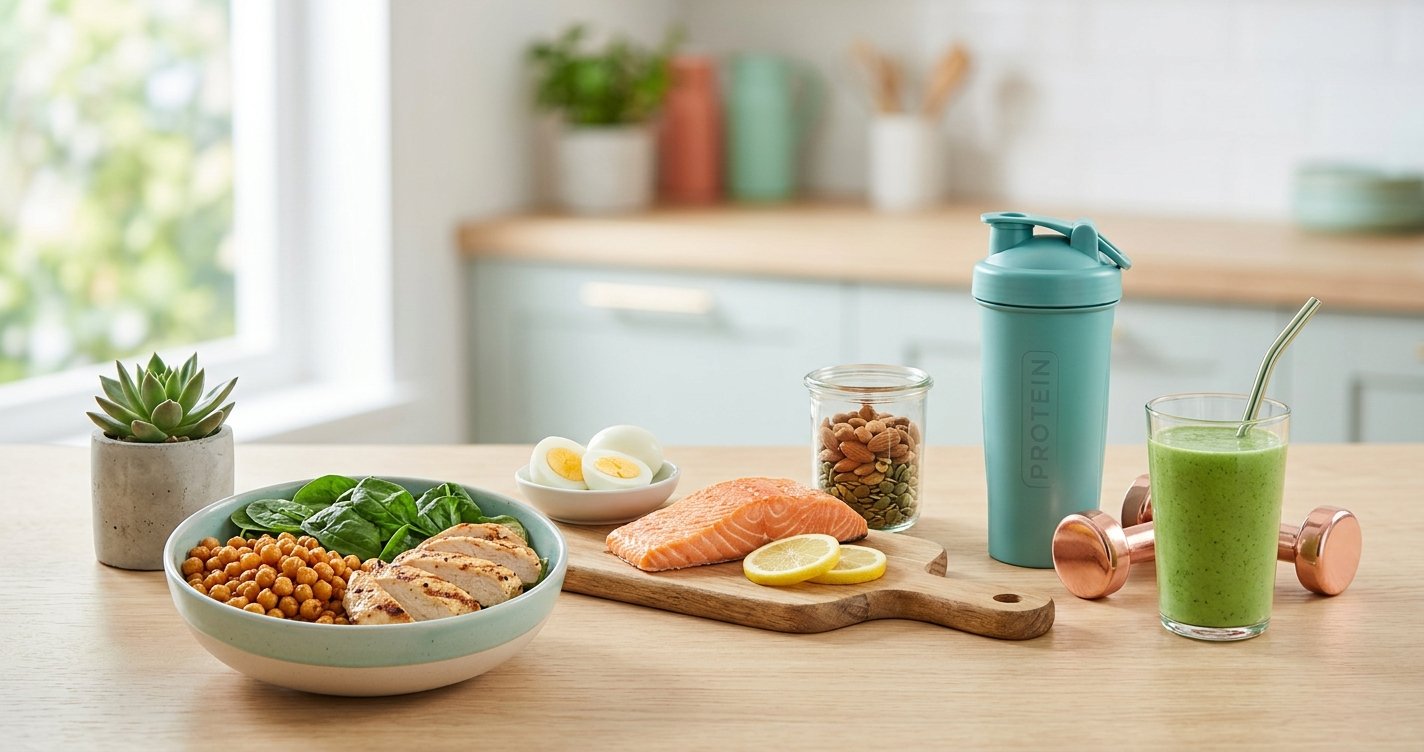
Protein Power: Your Essential Guide to Sustainable Fat Loss & Muscle Preservation
Embarking on a fat loss journey can feel like navigating a complex maze. There's so much information out there, from restrictive diets to intense workout regimes, that it's easy to get lost. But what if we told you there's one powerful nutrient that can significantly simplify the process, helping you shed fat sustainably while preserving your precious muscle? Enter: protein.
Often associated primarily with bodybuilders, protein is a macronutrient powerhouse that plays a crucial, often underestimated, role in effective and lasting fat loss. It's not just about building big muscles; it's about fueling your body, keeping you full, boosting your metabolism, and protecting your lean mass. Ready to unlock the secret weapon in your fat loss arsenal? Let's dive in! this excellent wellness product
Why Protein is Your Best Friend for Fat Loss
Protein isn't just another food group; it's a fundamental building block for your body and a strategic ally in your quest for a leaner physique. Here’s why it deserves a starring role on your plate:
The Satiety Factor: Feeling Fuller, Longer
One of the biggest challenges with fat loss is managing hunger and cravings. This is where protein shines! Numerous studies show that protein is the most satiating macronutrient. When you eat protein, it signals to your brain that you're full, helping to reduce ghrelin (the hunger hormone) and increase peptide YY (a satiety hormone). This means you'll feel satisfied for longer, naturally reducing your overall calorie intake without feeling deprived. Imagine fewer urges to snack mindlessly or overeat at your next meal – that's the protein advantage!
The Thermic Effect of Food (TEF): Burn More Calories Just By Eating!
Did you know your body burns calories just to digest and process the food you eat? This is known as the Thermic Effect of Food (TEF). Protein has a significantly higher TEF compared to carbohydrates and fats. Roughly 20-30% of the calories you consume from protein are used just for its digestion and absorption, compared to 5-10% for carbs and 0-3% for fats. This means that by prioritizing protein, you're essentially getting a small metabolic boost with every meal, contributing to a greater overall calorie expenditure throughout the day.
Muscle Preservation: Protecting Your Metabolism
When you're in a calorie deficit to lose fat, your body can sometimes break down muscle tissue for energy, not just fat. This is detrimental because muscle is metabolically active – it burns more calories at rest than fat does. Losing muscle can slow down your metabolism, making future fat loss harder and increasing the risk of regaining lost weight. Adequate protein intake provides the amino acids necessary to repair and build muscle, helping to preserve your lean mass even as you shed fat. This ensures your metabolism stays revved up, making your fat loss journey more efficient and sustainable.
How Much Protein Do You Actually Need?
While the general recommendation for adults is 0.8 grams of protein per kilogram of body weight, this is often considered a baseline for sedentary individuals. For those actively pursuing fat loss and looking to preserve muscle, the recommendations are typically higher.
- General Guidelines: Most research suggests that for fat loss and muscle preservation, an intake of 1.6 to 2.2 grams of protein per kilogram of body weight (or 0.7 to 1.0 grams per pound of body weight) is optimal.
- Individual Needs: Factors like your activity level, age, current body composition, and specific goals can influence your ideal protein intake. Athletes or highly active individuals might benefit from the higher end of this range.
- The Importance of Spreading Protein Intake: Instead of consuming all your protein in one sitting, aim to distribute your intake evenly throughout the day. This helps optimize muscle protein synthesis and keeps you feeling fuller for longer. Try to include 20-40 grams of protein at each main meal (breakfast, lunch, and dinner) and consider protein-rich snacks.
Top Protein Sources to Power Your Plate
Incorporating more protein into your diet doesn't have to be complicated or boring. There's a wide variety of delicious and nutritious options available:
Animal-Based Proteins: Lean & Complete
- Lean Meats: Chicken breast, turkey, lean beef (sirloin, round), pork loin. These are excellent sources of complete protein, meaning they contain all nine essential amino acids your body can't produce.
- Fish & Seafood: Salmon, tuna, cod, shrimp. Fatty fish like salmon also offer beneficial omega-3 fatty acids.
- Eggs: A classic for a reason! Eggs are an incredibly versatile and affordable source of high-quality protein.
- Dairy: Greek yogurt, cottage cheese, milk, whey protein powder. These are fantastic for snacks and can be easily integrated into meals.
Plant-Based Proteins: Diverse & Delicious
For vegetarians, vegans, or anyone looking to diversify their protein sources, the plant kingdom offers abundant options:
- Legumes: Lentils, chickpeas, black beans, kidney beans. Great in soups, salads, and stews.
- Tofu & Tempeh: Versatile soy products that absorb flavors beautifully.
- Edamame: Perfect for a quick, protein-rich snack.
- Quinoa: A complete protein grain that makes a great base for meals.
- Nuts & Seeds: Almonds, peanuts, chia seeds, flax seeds, pumpkin seeds. While higher in fat, they offer a good protein boost.
- Plant-Based Protein Powders: Pea, rice, or soy protein powders can be a convenient way to supplement your intake.
Smart Snacking: Protein on the Go
Don't let hunger sabotage your progress between meals. Keep protein-rich snacks handy:
- Hard-boiled eggs
- Greek yogurt or cottage cheese
- A handful of almonds or walnuts
- Protein bars (choose wisely, low sugar)
- Jerky (lean, low sodium)
- Apple slices with peanut butter (in moderation)
Practical Tips for Boosting Your Protein Intake
Making protein a priority doesn't require a complete dietary overhaul. Small, consistent changes can make a big difference:
1. Make Breakfast a Protein Powerhouse
Start your day strong! Instead of sugary cereals or pastries, opt for:
- Scrambled eggs with spinach and a side of lean ham.
- Greek yogurt with berries and a sprinkle of nuts or seeds.
- A protein smoothie with milk, protein powder, and fruit.
2. Add Protein to Every Meal and Snack
Think about how you can incorporate a protein source into every eating occasion:
- Add chicken or chickpeas to your salad.
- Mix lentils into your pasta sauce.
- Top your oatmeal with a scoop of protein powder.
- Pair fruit with cottage cheese instead of just eating the fruit alone.
3. Don't Fear Supplements (Wisely Used)
Protein powders (whey, casein, soy, pea, etc.) can be an incredibly convenient and effective way to meet your protein targets, especially if you're active or have dietary restrictions. They are not magic pills, but rather concentrated food sources. Use them as a supplement to your whole food intake, not a replacement.
4. Plan Ahead
Meal prepping can be a game-changer. Cook a batch of chicken breast or hard-boil eggs at the beginning of the week so you always have protein readily available.
Busting Protein Myths: What You Need to Know
Despite its benefits, protein often falls victim to misconceptions. Let's clear up a couple of common ones:
Myth #1: "Too Much Protein Damages Kidneys"
This is a persistent myth. For healthy individuals with normal kidney function, there is no scientific evidence that a high protein intake (even at the levels recommended for fat loss) causes kidney damage. However, if you have pre-existing kidney disease, it's crucial to consult with your doctor or a registered dietitian before increasing your protein intake.
Myth #2: "Protein Makes You Bulky"
Many women, in particular, worry that eating more protein will make them 'bulky.' This is simply not true. Building significant muscle mass requires a very specific training regimen, often a calorie surplus, and specific hormonal profiles (like higher testosterone levels). Protein supports muscle development, yes, but it won't magically make you bulky, especially when you're in a calorie deficit for fat loss. Instead, it helps create a toned, lean physique.
Embrace Protein for a Stronger, Leaner You!
Protein is much more than just a muscle builder; it's a cornerstone of sustainable fat loss. By harnessing its power for satiety, metabolic boost, and muscle preservation, you can transform your fat loss journey from a struggle into a strategic, enjoyable, and ultimately successful endeavor. Remember, consistency is key. Start by making small, manageable changes to increase your protein intake, observe how your body responds, and adjust as needed. Your body will thank you for fueling it with the essential nutrients it needs to thrive.
Ready to give protein the spotlight it deserves? Start experimenting with new protein sources and watch as your fat loss goals become not just achievable, but truly sustainable!