Protein Power: Your Essential Guide to Sustainable Fat Loss and Muscle Preservation
Are you on a fat loss journey, feeling a bit lost in the sea of conflicting diet advice? You’re not alone! Many people focus solely on cutting calories, only to find themselves hungry, losing precious muscle, and struggling to keep the weight off. What if we told you there’s a powerful ally that can make your fat loss journey smoother, more effective, and more sustainable? Enter protein!
Protein isn't just for bodybuilders; it's a macronutrient superhero for anyone looking to shed fat, preserve muscle, and feel great. In this guide, we'll dive deep into why protein is so crucial for fat loss, how much you really need, the best sources to fuel your body, and practical tips to seamlessly incorporate more of it into your daily life. Get ready to unlock the power of protein and transform your approach to a leaner, stronger you! this excellent wellness product
Why Protein is Your Best Friend for Fat Loss
Protein plays several unique and powerful roles that make it indispensable when you're trying to lose fat. It’s not just about building big muscles; it's about optimizing your body's processes for efficient fat burning and overall well-being.
1. The Satiety Superstar: Feeling Fuller, Longer
One of the biggest challenges with fat loss is managing hunger. Protein is renowned for its ability to promote satiety – that wonderful feeling of fullness and satisfaction after a meal. Compared to carbohydrates and fats, protein has a superior effect on hormones that signal fullness, like cholecystokinin (CCK) and glucagon-like peptide-1 (GLP-1), while reducing ghrelin, the 'hunger hormone'. This means you’re less likely to overeat or snack on unhealthy foods between meals, making it easier to stick to your calorie goals without feeling deprived.
2. The Thermic Effect of Food (TEF): Burn More Calories Just by Eating!
Did you know that your body burns calories just to digest, absorb, and process the nutrients from your food? This is known as the Thermic Effect of Food (TEF). Protein has a significantly higher TEF than carbs or fats. Roughly 20-30% of the calories from protein are burned during its digestion, compared to 5-10% for carbs and 0-3% for fats. This means that by choosing protein-rich foods, you're giving your metabolism a little extra boost with every bite, contributing to a greater overall calorie expenditure throughout the day.
3. Muscle Preservation: Protecting Your Metabolism's Engine
When you're in a calorie deficit (eating fewer calories than you burn), your body will naturally try to use stored energy. While the goal is to burn fat, there's always a risk of losing valuable muscle mass too. Losing muscle can be detrimental because muscle tissue is metabolically active, meaning it burns more calories at rest than fat tissue. A higher protein intake, especially when combined with strength training, helps signal your body to hold onto muscle mass while primarily tapping into fat stores for energy. This is crucial for maintaining a healthy metabolism and achieving a lean, toned physique.
How Much Protein Do You Really Need?
The exact amount of protein you need can vary based on several factors, including your body weight, activity level, and specific goals. However, general recommendations for fat loss are often higher than for general health.
- General Guideline: For active individuals aiming for fat loss, a common recommendation is to consume between 1.6 to 2.2 grams of protein per kilogram of body weight (or 0.7 to 1 gram per pound of body weight) per day.
- Example: If you weigh 70 kg (approximately 154 lbs), you'd aim for roughly 112-154 grams of protein per day.
Spreading your protein intake throughout the day (e.g., 20-40 grams per meal, plus snacks) is often more effective for satiety and muscle protein synthesis than consuming one massive protein meal.
Debunking the Kidney Myth
You might have heard concerns about high protein intake and kidney damage. For healthy individuals with no pre-existing kidney conditions, numerous studies have shown that a high-protein diet within the recommended ranges is safe and does not harm kidney function. Always consult with a healthcare professional if you have any underlying health concerns.
The Best Protein Sources to Fuel Your Journey
Variety is the spice of life, and it's also key to getting a full spectrum of amino acids and other nutrients. Incorporate a mix of these high-quality protein sources into your diet:
Animal-Based Protein Sources:
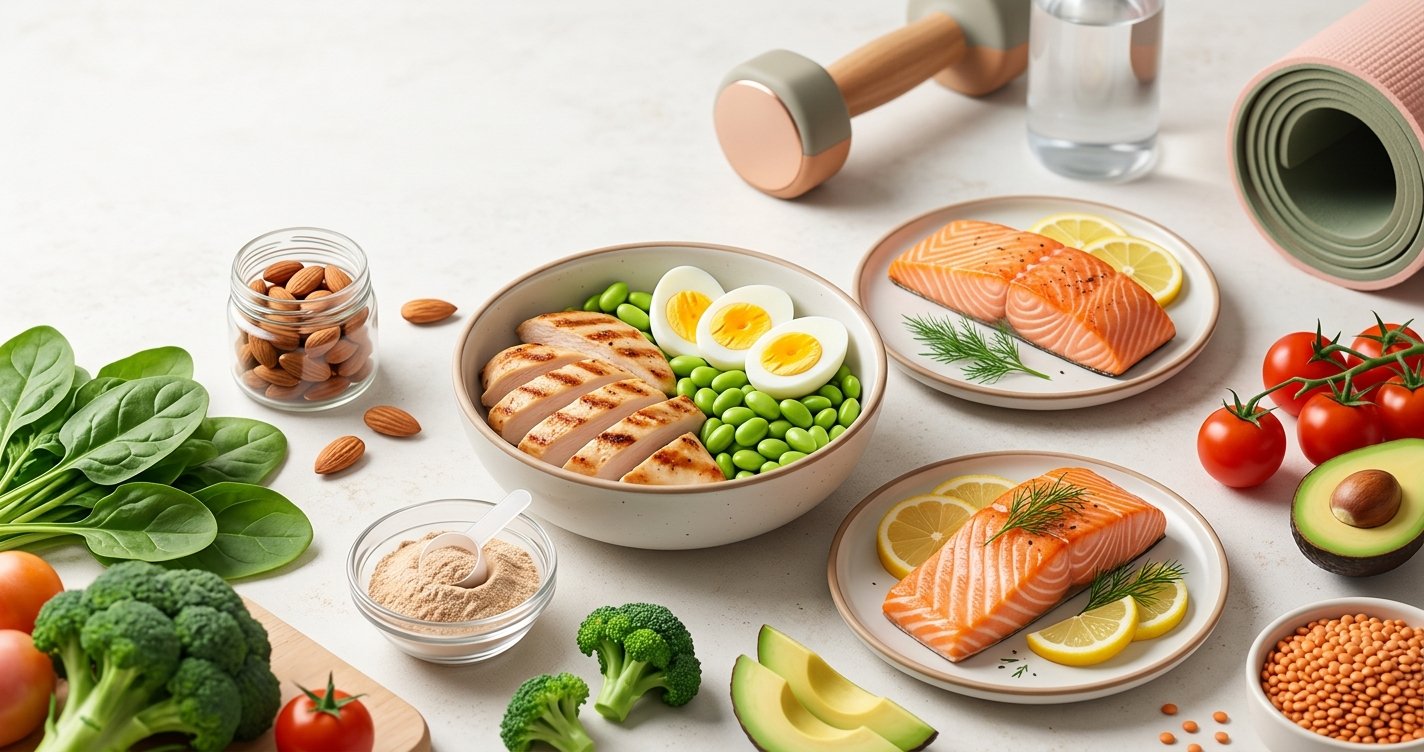
- Lean Meats: Chicken breast, turkey breast, lean beef (sirloin, flank), pork loin.
- Fish and Seafood: Salmon (rich in omega-3s!), tuna, cod, shrimp, tilapia.
- Eggs: A complete protein source, versatile and affordable.
- Dairy: Greek yogurt, cottage cheese, milk, whey protein. These are excellent for snacks and post-workout recovery.
Plant-Based Protein Sources:
- Legumes: Lentils, chickpeas, black beans, kidney beans.
- Soy Products: Tofu, tempeh, edamame.
- Grains: Quinoa (a complete protein), oats, brown rice.
- Nuts and Seeds: Almonds, peanuts, chia seeds, flax seeds, pumpkin seeds. (Remember they are calorie-dense!)
- Plant-Based Protein Powders: Pea protein, rice protein, hemp protein (great for smoothies).
Practical Strategies to Boost Your Protein Intake
Increasing your protein doesn't have to be complicated. Here are some simple, actionable tips to make it a seamless part of your daily routine:
- Start with a Protein-Rich Breakfast: Ditch the sugary cereal! Opt for eggs, Greek yogurt with berries, cottage cheese, or a protein smoothie to kickstart your day with satiety.
- Prioritize Protein at Every Meal: Make protein the centerpiece of your lunch and dinner. Aim for a palm-sized portion of lean protein.
- Smart Snacking: Instead of chips or cookies, choose protein-packed snacks like hard-boiled eggs, a handful of almonds, a protein bar, or a small container of Greek yogurt.
- Strategic Swaps: Replace some high-carb items with protein alternatives. For example, use Greek yogurt in place of sour cream, or add lentils to your pasta sauce.
- Don't Fear Supplements (When Needed): Protein powder can be a convenient way to hit your daily targets, especially after workouts or when you're short on time. It's a supplement, not a replacement for whole foods.
- Plan Ahead: Meal prepping ensures you always have healthy, protein-rich options available, reducing the temptation for less optimal choices.
Beyond Protein: A Holistic Approach to Fat Loss
While protein is an incredible tool, remember it's one piece of a larger, healthy lifestyle puzzle. For truly sustainable fat loss and overall well-being, consider these complementary factors:
- Calorie Deficit is Key: Regardless of your protein intake, you still need to consume fewer calories than you burn to lose fat. Protein simply makes this deficit easier to achieve and maintain.
- Strength Training: Pairing a high-protein diet with regular strength training is the ultimate combo for preserving muscle and boosting your metabolism. Aim for 2-4 sessions per week.
- Adequate Sleep: Poor sleep can disrupt hunger hormones and increase cravings, making fat loss significantly harder. Aim for 7-9 hours of quality sleep per night.
- Hydration: Drinking plenty of water can help with satiety, metabolism, and overall bodily functions.
- Consistency and Patience: Fat loss is a journey, not a race. Be consistent with your efforts, be kind to yourself, and celebrate small victories along the way.
Conclusion: Embrace the Power of Protein for a Healthier You!
There you have it! Protein is far more than just a muscle builder; it's a powerful, evidence-backed ally in your quest for sustainable fat loss. By prioritizing protein in your diet, you'll feel fuller, burn more calories, protect your precious muscle mass, and set yourself up for long-term success. Remember, a balanced approach that includes a slight calorie deficit, strength training, good sleep, and plenty of protein is your recipe for achieving a leaner, stronger, and healthier you. So, go ahead – embrace the power of protein and fuel your body for the incredible journey ahead!