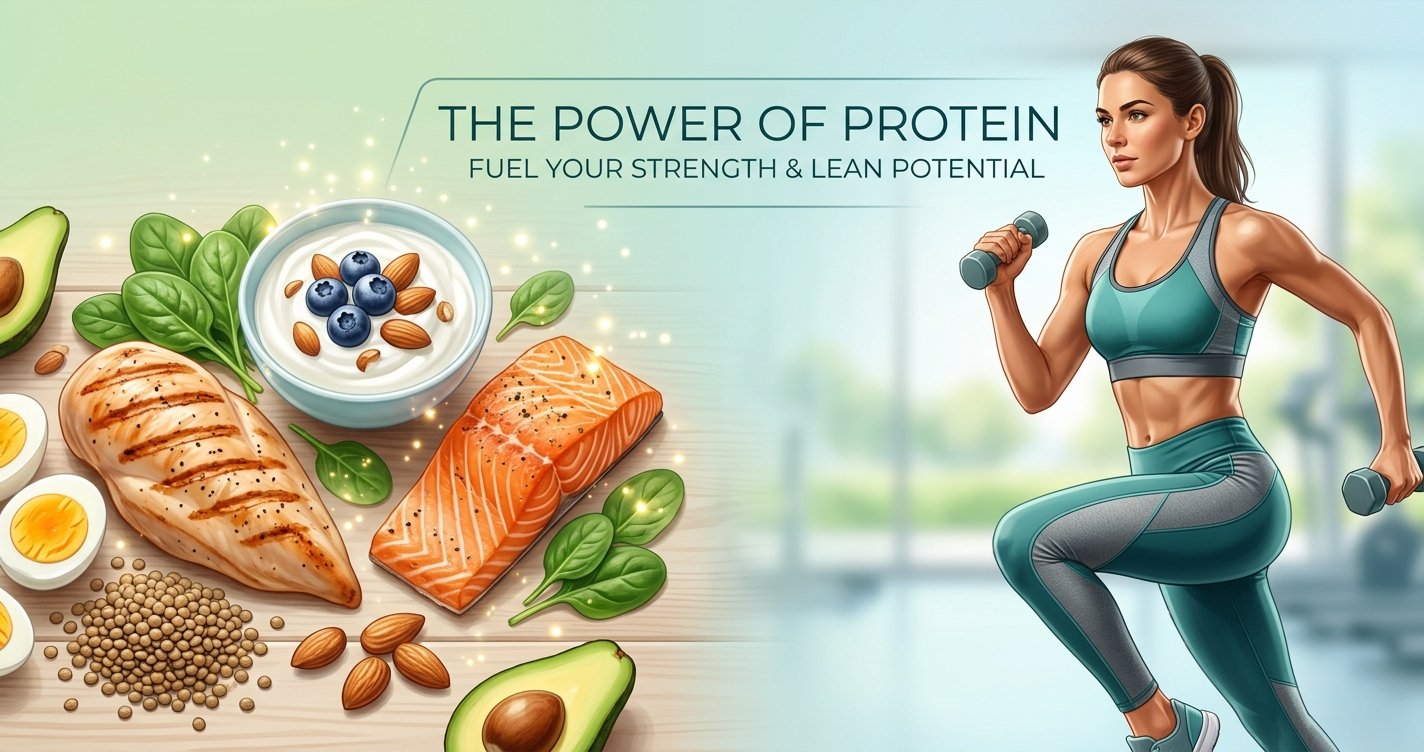
Are you on a mission to shed stubborn fat, feel more energetic, and build a stronger, healthier body? If so, you've likely explored countless diets and workout routines. But what if one macronutrient held a surprisingly powerful key to unlocking your fat loss potential? We're talking about protein – the unsung hero of sustainable weight management and body recomposition.
Forget the old myths; protein isn't just for bodybuilders. It's a vital nutrient that plays a crucial role in everything from muscle repair to hormone production, and most importantly for our discussion today, it's an incredible ally in your fat loss journey. In this comprehensive guide, we'll dive deep into the evidence-based reasons why protein is your best friend when it comes to burning fat, preserving muscle, and feeling fantastic. this excellent wellness product
Why Protein is Your Secret Weapon for Fat Loss
Let's break down the science-backed ways protein helps you achieve your fat loss goals, making your efforts more effective and sustainable.
The Satiety Factor: Feeling Fuller, Longer
One of the biggest challenges in any fat loss journey is managing hunger and cravings. This is where protein shines! Protein is renowned for its ability to promote satiety – that feeling of fullness and satisfaction after a meal. Compared to carbohydrates and fats, protein has a superior impact on reducing ghrelin (your hunger hormone) and increasing peptide YY (your satiety hormone).
- Reduces Cravings: By keeping you feeling satisfied, a high-protein diet can significantly reduce the urge to snack unnecessarily or overeat at meal times.
- Better Adherence: When you're not constantly battling hunger, it's much easier to stick to your calorie deficit and make healthier food choices consistently.
Boosting Your Metabolism: The Thermic Effect of Food (TEF)
Did you know that your body burns calories just by digesting food? This is known as the Thermic Effect of Food (TEF), and protein has the highest TEF of all macronutrients. Approximately 20-30% of the calories you consume from protein are burned off during digestion, compared to 5-10% for carbs and 0-3% for fats.
What does this mean for fat loss? It means that by simply eating more protein, you're giving your metabolism a slight, but significant, boost, helping you burn more calories throughout the day without any extra effort.
Muscle Preservation: Protecting Your Lean Mass
When you're in a calorie deficit to lose fat, your body can sometimes break down muscle tissue for energy, not just fat. This is detrimental because muscle is metabolically active – it burns more calories at rest than fat does. Losing muscle can slow down your metabolism, making future fat loss harder.
A higher protein intake helps to protect your precious lean muscle mass, especially when combined with strength training. By providing the building blocks (amino acids) your muscles need, protein signals your body to maintain muscle, ensuring that the weight you lose is primarily fat.
How Much Protein Do You Really Need?
While the general dietary recommendations for protein are around 0.8 grams per kilogram of body weight, these are often minimums to prevent deficiency, not optimal amounts for fat loss or active individuals.
For effective fat loss, preserving muscle, and maximizing satiety, research suggests a higher intake. A good starting point often recommended by nutrition experts is:
- 1.6 to 2.2 grams of protein per kilogram of body weight (or 0.7 to 1.0 grams per pound of body weight) per day.
For example, if you weigh 70 kg (about 154 lbs), aiming for 112-154 grams of protein daily would be beneficial. Spread this intake across your meals and snacks for optimal absorption and muscle protein synthesis.
The Importance of Distribution
It's not just about your total daily protein; how you distribute it matters too. Aim to include a good source of protein in every meal and snack. This helps maximize muscle protein synthesis throughout the day and keeps you feeling fuller for longer, preventing energy dips and cravings.
Smart Protein Choices: Fueling Your Body Right
Not all protein sources are created equal. Prioritizing lean, whole-food protein sources will provide you with essential amino acids, vitamins, and minerals without excess saturated fat or unnecessary additives.
Top Protein Sources Include:
- Lean Meats: Chicken breast, turkey, lean beef, pork tenderloin.
- Fish & Seafood: Salmon, tuna, cod, shrimp, tilapia (rich in Omega-3s too!).
- Dairy: Greek yogurt, cottage cheese, milk, whey protein.
- Eggs: A complete protein source, versatile and affordable.
- Legumes: Lentils, beans, chickpeas (also provide fiber!).
- Plant-Based Proteins: Tofu, tempeh, edamame, quinoa, seitan, protein powders (soy, pea, rice).
When to Consider Supplements
While whole foods should always be your primary source of protein, supplements like whey, casein, or plant-based protein powders can be a convenient and effective way to meet your daily protein targets, especially if you have high needs, are short on time, or struggle to get enough through diet alone.
Integrating Protein into Your Daily Diet: Practical Tips
Making protein a priority doesn't have to be complicated. Here are some simple, actionable tips to boost your intake throughout the day:
- Breakfast Boosters: Start your day strong. Add Greek yogurt to your oatmeal, scramble eggs with veggies, or blend a protein smoothie.
- Lunch & Dinner Strategies: Make protein the centerpiece of your main meals. Include a palm-sized portion of lean meat, fish, or plant-based protein. Add beans or lentils to salads and soups.
- Smart Snacking: Opt for protein-rich snacks like cottage cheese, a handful of almonds, hard-boiled eggs, or a protein bar to bridge meals and curb hunger.
- Cook in Batches: Prepare large batches of grilled chicken or roasted chickpeas at the beginning of the week for quick additions to meals.
- Read Labels: Pay attention to the protein content when grocery shopping.
Beyond Protein: The Holistic Approach to Sustainable Fat Loss
While protein is a superstar, remember it's one part of a larger picture. Sustainable fat loss is achieved through a holistic approach that includes:
- A Consistent Calorie Deficit: To lose fat, you must consume fewer calories than you burn. Protein helps you maintain this deficit more comfortably.
- Regular Strength Training: Pairing a high-protein diet with resistance training is the ultimate combination for building and preserving muscle while shedding fat.
- Adequate Hydration: Drinking plenty of water supports metabolism, aids digestion, and can help manage hunger.
- Quality Sleep: Poor sleep can disrupt hunger hormones and make fat loss more challenging. Aim for 7-9 hours of quality sleep per night.
- Stress Management: Chronic stress can elevate cortisol, which can hinder fat loss. Incorporate stress-reducing activities like meditation, yoga, or spending time in nature.
Your Journey to a Leaner, Stronger You Starts Now!
Embracing the power of protein is a game-changer for anyone serious about sustainable fat loss and improving their body composition. By prioritizing this essential macronutrient, you'll feel fuller, boost your metabolism, protect your hard-earned muscle, and make your entire journey more enjoyable and effective.
Remember, consistency is key. Start by making small, manageable changes to increase your protein intake, incorporate more strength training, and focus on overall healthy habits. Your body will thank you, and you'll be well on your way to a leaner, stronger, and more vibrant you. You've got this!