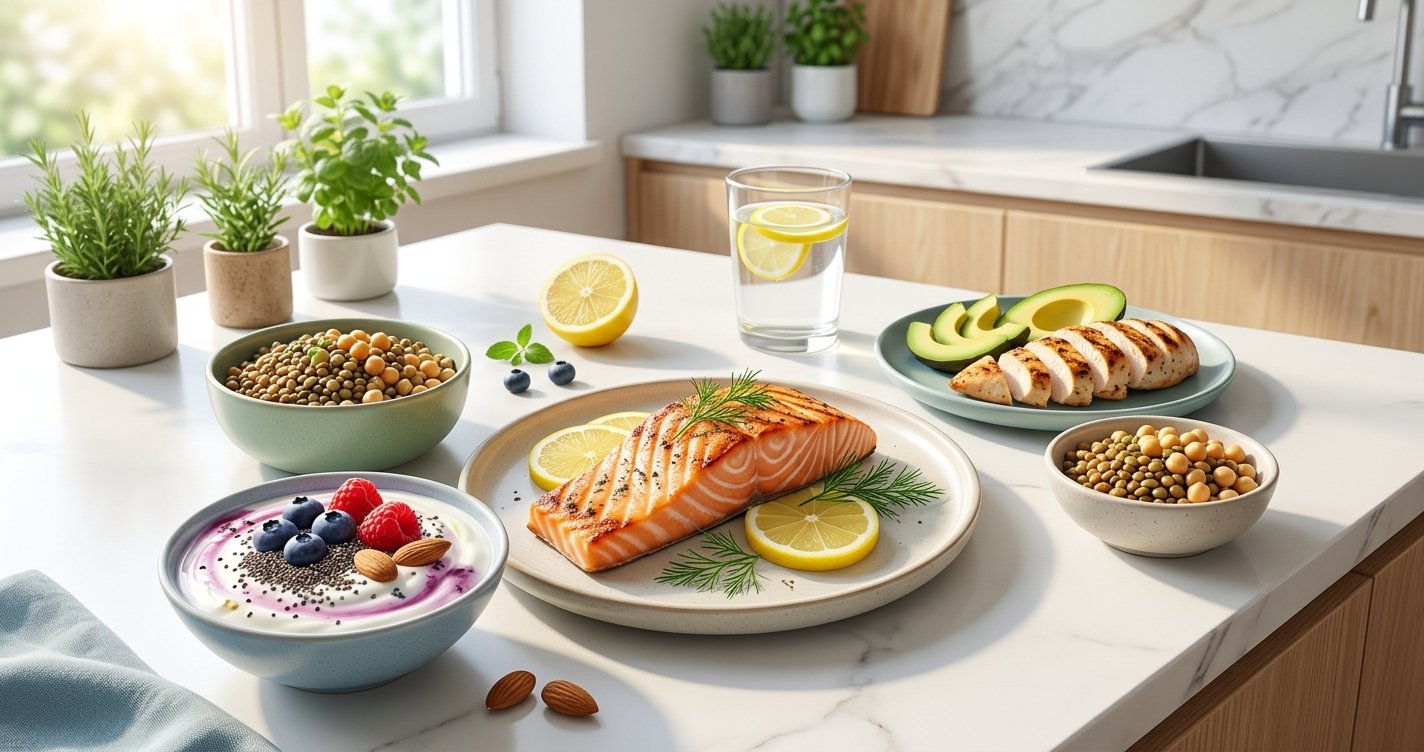
Unlock Your Fat Loss Potential: The Power of Protein for a Leaner, Stronger You
Are you tired of restrictive diets that leave you feeling hungry, deprived, and ultimately, defeated? It's a common story in the world of fat loss, where quick fixes often promise the moon but deliver little more than frustration. What if we told you there's a powerful, science-backed nutrient that can be your best friend on your journey to sustainable fat loss? Enter protein – the unsung hero that can help you feel fuller, boost your metabolism, and preserve your precious muscle, all while shedding unwanted body fat.
Forget the fads and the extreme cleanses. This isn't about deprivation; it's about smart, evidence-based nutrition that empowers you to build a healthier, stronger body. In this post, we're going to dive deep into why protein is an absolute game-changer for fat loss, how much you really need, and practical, delicious ways to incorporate more of it into your daily life. Get ready to transform your approach to eating and finally achieve the lasting results you deserve! this excellent wellness product
Why Protein is Your Fat Loss MVP (Most Valuable Player)
Protein isn't just for bodybuilders; it's a foundational nutrient for anyone looking to optimize their body composition. Here's why it's so critical for fat loss:
1. The Satiety Superstar: Feeling Full, Longer
One of the biggest challenges with any fat loss journey is managing hunger. Crash diets often leave you ravenous, leading to cravings and eventual overeating. Protein, however, is king when it comes to satiety. Studies consistently show that protein is the most filling macronutrient, far more so than carbohydrates or fats.
When you consume protein, it triggers the release of hormones like GLP-1 and cholecystokinin (CCK), which signal to your brain that you're full. This means you'll naturally eat less throughout the day, reducing your overall calorie intake without feeling like you're constantly fighting hunger pangs. Imagine fewer cravings and feeling satisfied after your meals – that's the protein advantage!
2. The Metabolic Booster: Thermic Effect of Food (TEF)
Did you know your body burns calories just to digest and process the food you eat? This is known as the Thermic Effect of Food (TEF), and protein has the highest TEF of all macronutrients. While carbohydrates have a TEF of 5-10% and fats have 0-3%, protein boasts a TEF of 20-30%. This means that for every 100 calories of protein you consume, your body burns 20-30 calories just to break it down!
While this might seem like a small number individually, it adds up over the course of a day and weeks, contributing to a slight but significant boost in your overall calorie expenditure. It's like having a tiny, constant metabolic furnace working in your favor.
3. Muscle Preservation: Protecting Your Metabolism's Engine
When you're in a calorie deficit (eating fewer calories than you burn) to lose fat, there's always a risk of losing muscle mass along with fat. This is something you want to avoid at all costs! Muscle is metabolically active tissue, meaning it burns more calories at rest than fat does. Losing muscle can slow down your metabolism, making future fat loss harder and increasing the likelihood of weight regain.
Adequate protein intake is crucial for preserving muscle mass during a fat loss phase. Protein provides the amino acids, the building blocks your body needs to repair and build muscle tissue. Combined with strength training, a high-protein diet helps ensure that the weight you're losing is primarily fat, not muscle. This leads to a leaner, stronger physique and a more robust metabolism in the long run.
How Much Protein Do You Actually Need?
This is a common question, and the answer isn't a one-size-fits-all. The Recommended Dietary Allowance (RDA) is 0.8 grams of protein per kilogram of body weight, but this is merely the minimum to prevent deficiency, not necessarily optimal for fat loss or muscle preservation, especially for active individuals.
For sustainable fat loss and muscle preservation, current research suggests a higher intake. A good general guideline for most active adults aiming for fat loss is:
- 1.6 to 2.2 grams of protein per kilogram of body weight per day.
To put this into perspective, if you weigh 70 kg (about 154 lbs), that would be roughly 112 to 154 grams of protein per day. If you're a highly active individual, an athlete, or significantly overweight, your needs might be at the higher end of this range, or even slightly above. Don't worry about consuming 'too much' protein; for healthy individuals, intakes up to 3.0 g/kg are generally considered safe and can be beneficial for satiety and muscle retention.
Top Protein Sources to Fuel Your Journey
Now that you know why and how much, let's talk about where to get your protein. Variety is key for a well-rounded nutrient intake!
Animal-Based Protein Sources:
- Lean Meats: Chicken breast, turkey, lean beef (sirloin, round), pork loin. These are excellent sources of complete protein with all essential amino acids.
- Fish & Seafood: Salmon, tuna, cod, shrimp, tilapia. Rich in protein and often beneficial omega-3 fatty acids (especially fatty fish like salmon).
- Eggs: The incredible, versatile egg! A complete protein powerhouse, full of vitamins and minerals.
- Dairy: Greek yogurt, cottage cheese, milk, whey protein powder. Great for snacks and meal additions, especially Greek yogurt and cottage cheese, which are packed with protein.
Plant-Based Protein Sources:
- Legumes: Lentils, chickpeas, black beans, kidney beans. Versatile and fiber-rich.
- Tofu & Tempeh: Soy-based products that are excellent meat alternatives and complete proteins.
- Edamame: Delicious and easy-to-snack-on soybeans.
- Nuts & Seeds: Almonds, peanuts, chia seeds, flax seeds, pumpkin seeds. Offer protein, healthy fats, and fiber (in moderation due to calorie density).
- Quinoa: A grain that is also a complete protein.
- Plant-Based Protein Powders: Pea, rice, soy, or blended plant proteins can be a convenient supplement.
Aim for a mix of sources to ensure you're getting a broad spectrum of nutrients. Focus on whole, minimally processed options whenever possible.
Practical Strategies to Boost Your Protein Intake
Incorporating more protein into your diet doesn't have to be complicated. Here are some simple, actionable tips to help you hit your targets:
- Prioritize Protein at Every Meal: Make protein the star of your plate. Instead of a small side of chicken, make it the main event. Start your day with protein – eggs, Greek yogurt, or a protein smoothie can make a huge difference in satiety.
- Smart Snacking: Ditch the sugary snacks and opt for protein-rich alternatives. Think cottage cheese with berries, a handful of almonds, hard-boiled eggs, beef jerky, or a protein bar.
- Prep Ahead: Cook larger batches of lean protein (chicken breast, ground turkey, lentils) at the beginning of the week. This makes it easy to add protein to salads, stir-fries, or grab-and-go meals.
- Include Protein in Unexpected Places: Add a scoop of unflavored protein powder to oatmeal or pancake batter. Mix lentils into soups or ground meat dishes. Sprinkle nutritional yeast (a good source of protein for vegans) on popcorn or roasted veggies.
- Don't Fear the Powder: Protein powders (whey, casein, pea, soy) are fantastic tools for convenience, especially if you're struggling to meet your daily needs through whole foods alone. A protein shake post-workout or as a meal replacement can be incredibly effective.
- Read Labels: When buying packaged foods, check the protein content. Sometimes you'll be surprised by how much (or how little) protein is in a product.
Beyond Protein: A Holistic Approach to Fat Loss
While protein is a powerful ally, it's important to remember that it's one piece of the puzzle. Sustainable fat loss is a holistic endeavor that also includes:
- A Consistent Calorie Deficit: Ultimately, you need to consume slightly fewer calories than you burn to lose fat. Protein helps achieve this more easily by enhancing satiety.
- Strength Training: As mentioned, lifting weights is crucial for preserving and building muscle, which boosts your metabolism and improves body composition.
- Adequate Sleep: Poor sleep can disrupt hormones that regulate hunger and fat storage, making fat loss significantly harder. Aim for 7-9 hours per night.
- Hydration: Drinking plenty of water is essential for all bodily functions, can help manage hunger, and supports overall health.
- Stress Management: Chronic stress can lead to increased cortisol levels, which can promote fat storage, particularly around the midsection.
Embrace patience and consistency. Fat loss is a journey, not a race. Focus on building sustainable habits rather than chasing quick fixes.
Your Leaner, Stronger Future Starts Now!
You now have the knowledge and the tools to harness the incredible power of protein for your fat loss journey. By prioritizing protein, you're not just eating for fuel; you're eating strategically to feel fuller, boost your metabolism, and protect your muscle, paving the way for a leaner, stronger, and more vibrant you.
Stop battling hunger and start empowering your body with the nutrient it needs to thrive. Make protein your fat loss MVP, combine it with smart training, good sleep, and hydration, and watch as you build the sustainable results you've always dreamed of. What's your favorite way to incorporate more protein into your day? Share your tips in the comments below!