Unlock Your Fat Loss Potential: The Undeniable Power of Protein
Are you on a journey to shed stubborn fat, but feel like you're constantly battling hunger, slow progress, or the dreaded rebound? You're not alone. Many people focus intently on cutting calories, but often overlook what they're eating within those calories. Today, we're shining a spotlight on a nutritional powerhouse that's often misunderstood and underutilized in the world of fat loss: protein. It's not just for bodybuilders; it's a fundamental nutrient for anyone looking to shed fat effectively, sustainably, and without constant deprivation.
Protein is your body's building block, crucial for everything from repairing tissues to making enzymes and hormones. But its role in fat loss goes far beyond that. It's a game-changer for controlling appetite, boosting metabolism, and preserving precious muscle mass while you slim down. Let's dive into the science-backed reasons why making protein a priority can transform your fat loss journey from a struggle to a success story. this excellent wellness product
Why Protein is Your Fat Loss MVP (Most Valuable Player)
Think of protein as the most versatile player on your fat loss team. It doesn't just do one thing well; it contributes in multiple crucial ways, making your entire process more efficient and enjoyable. Unlike carbohydrates and fats, protein plays a unique role that directly impacts how full you feel, how many calories you burn, and what kind of weight you lose.
When you're trying to lose fat, you're essentially aiming to create a calorie deficit – consuming fewer calories than your body burns. While this is the fundamental principle, how you achieve that deficit, and what nutrients you prioritize, makes all the difference. This is where protein steps up to the plate, offering benefits that make adhering to that deficit much easier and more sustainable in the long run.
The Satiety Secret: How Protein Keeps Hunger at Bay
One of the biggest challenges in any fat loss plan is managing hunger and cravings. This is where protein truly shines. Research consistently shows that protein is the most satiating macronutrient, meaning it keeps you feeling fuller for longer compared to equal calorie amounts of carbohydrates or fats.
The Hormonal Connection: Taming Your Appetite
So, what's the secret? It's largely hormonal. When you consume protein, your body releases specific hormones that signal fullness to your brain. For instance, protein intake increases the production of peptide YY (PYY) and cholecystokinin (CCK), both of which promote feelings of satiety and reduce appetite. Simultaneously, it helps to suppress ghrelin, often called the 'hunger hormone', which typically rises before meals to signal it's time to eat.
This powerful hormonal interplay means that a high-protein meal can significantly reduce your desire to snack between meals and prevent overeating at subsequent meals. Imagine going about your day feeling satisfied and in control, rather than constantly thinking about your next meal or battling intense cravings. That's the power of protein at work, making adherence to your calorie goals much less of a mental battle.
Fueling the Furnace: Protein's Role in Metabolism and Thermic Effect
Beyond satisfying your appetite, protein also gives your metabolism a valuable boost. This comes down to something called the Thermic Effect of Food (TEF).
What is the Thermic Effect of Food (TEF)?
The TEF is the energy (calories) your body expends to digest, absorb, and metabolize the nutrients from your food. Every time you eat, your body has to work, and that work burns calories. But not all macronutrients are created equal in this regard. Protein has a significantly higher TEF than carbohydrates or fats.
- Protein: 20-30% of its calories are burned during digestion.
- Carbohydrates: 5-10% of its calories are burned during digestion.
- Fats: 0-3% of its calories are burned during digestion.
What does this mean for your fat loss? If you eat 100 calories of protein, your body might burn 20-30 of those calories just to process it, leaving you with a net intake of 70-80 calories. Compare that to 100 calories of fat, where almost all of it is stored. This 'metabolic advantage' of protein means you're effectively burning more calories just by choosing protein-rich foods, contributing to your overall calorie deficit without you having to do anything extra.
Muscle Matters: Preserving Lean Mass During Fat Loss
When you embark on a fat loss journey, the goal is always to lose fat, not muscle. Unfortunately, when you're in a calorie deficit, your body can sometimes break down muscle tissue for energy, especially if protein intake is insufficient. This is detrimental because muscle is metabolically active – meaning it burns more calories at rest than fat tissue does.
A higher muscle mass equates to a higher resting metabolic rate (RMR), which is the number of calories your body burns just to maintain basic functions. So, losing muscle can slow down your metabolism, making it harder to lose fat in the future and easier to regain weight once you stop dieting.
This is where protein becomes an invaluable ally. Adequate protein intake, especially when combined with strength training, helps to:
- Preserve Lean Muscle Mass: Protein provides the amino acids necessary for muscle protein synthesis, signaling your body to repair and build muscle, even in a calorie deficit.
- Support Muscle Repair and Growth: If you're incorporating resistance training into your routine (which is highly recommended for fat loss), protein is essential for recovery and adapting to those workouts, leading to stronger, more resilient muscles.
By prioritizing protein, you're not just losing weight; you're actively shaping a leaner, stronger, and more metabolically efficient body, making your fat loss efforts more impactful and sustainable.
How Much Protein Do You Really Need for Fat Loss? (Practical Guidelines)
So, if protein is so important, how much should you actually be aiming for? While general dietary guidelines suggest around 0.8 grams of protein per kilogram of body weight for sedentary adults, for fat loss, especially when in a calorie deficit and active, slightly higher amounts are often recommended by sports nutritionists and researchers.
General Recommendations for Fat Loss:
- Target Range: Aim for approximately 1.6 to 2.2 grams of protein per kilogram of goal body weight (or current lean body mass). For those who prefer pounds, this translates to roughly 0.7 to 1.0 grams per pound of goal body weight.
- Spread It Out: Instead of consuming most of your protein in one sitting, try to distribute your intake relatively evenly across your meals and snacks. Aim for 20-40 grams of protein per main meal to maximize muscle protein synthesis and satiety.
- Consider Activity Level: If you're highly active or engaging in regular strength training, you might benefit from the higher end of the recommended range to support muscle repair and recovery.
For example, if your goal body weight is 70 kg (approx. 154 lbs), you'd be looking to consume roughly 112-154 grams of protein per day. This might seem like a lot at first, but with smart food choices, it's very achievable.
Smart Protein Choices: Delicious Sources to Incorporate
Now that you know how much protein to aim for, let's talk about where to get it. The good news is there's a vast array of delicious, nutrient-dense protein sources available, suitable for every palate and dietary preference.
Animal-Based Proteins:
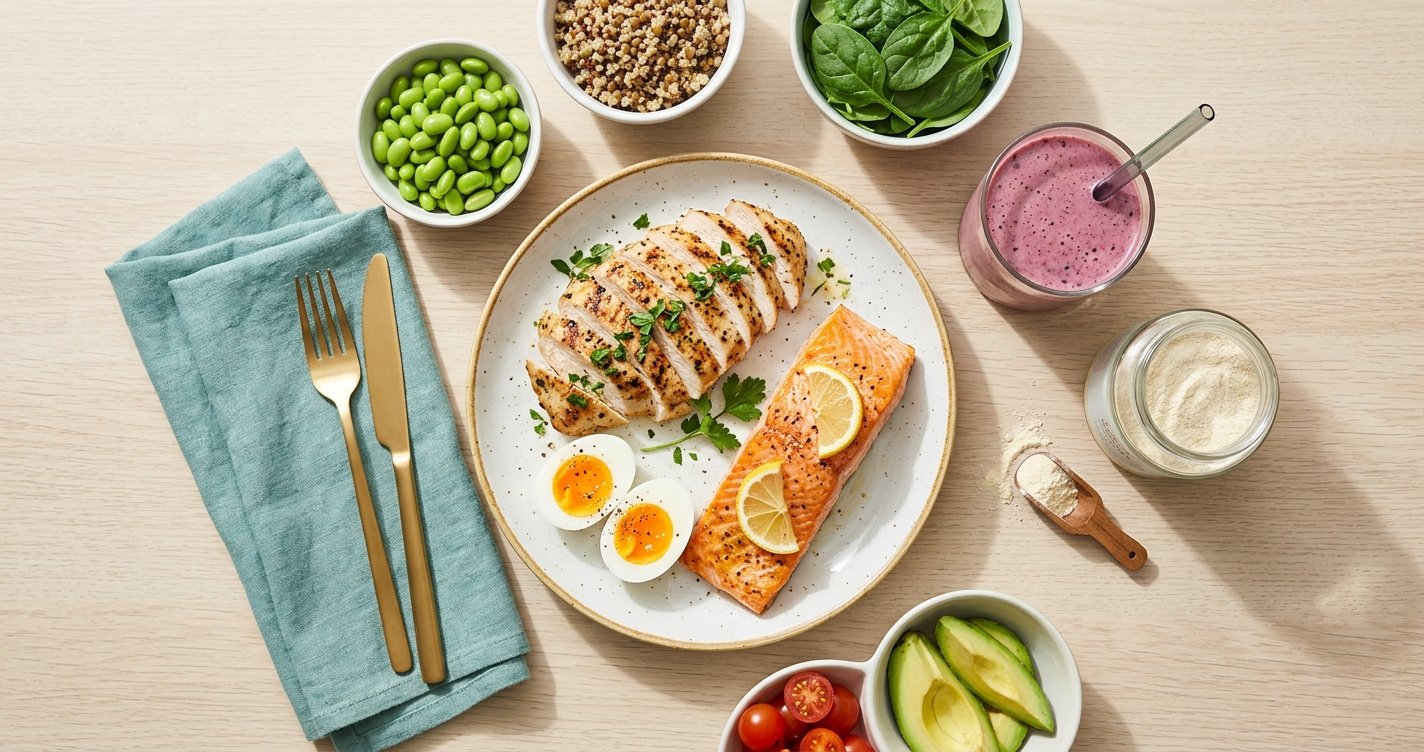
- Lean Meats: Chicken breast, turkey, lean cuts of beef (sirloin, round), pork loin. These are excellent sources of complete protein with minimal fat.
- Fish and Seafood: Salmon, tuna, cod, shrimp, tilapia. Fish like salmon also provide beneficial omega-3 fatty acids.
- Eggs: A complete protein source, versatile, and affordable. Don't skip the yolk, as it contains many essential vitamins and minerals.
- Dairy: Greek yogurt, cottage cheese, milk, whey protein powder. These are not only high in protein but also calcium and probiotics (in yogurt).
Plant-Based Proteins:
- Legumes: Lentils, black beans, chickpeas, kidney beans. Great sources of protein and fiber.
- Soy Products: Tofu, tempeh, edamame. Versatile and can absorb flavors well.
- Grains & Seeds: Quinoa (a complete protein), hemp seeds, chia seeds.
- Nuts & Nut Butters: Almonds, peanuts, cashews. While protein-rich, they are also calorie-dense, so consume in moderation.
- Plant-Based Protein Powders: Pea, rice, soy, or mixed plant protein powders can be convenient for boosting intake, especially for active individuals.
Prioritize whole, unprocessed sources whenever possible. A variety of protein sources will ensure you're getting a broad spectrum of amino acids and other essential nutrients.
Putting It All Together: Practical Tips for a High-Protein Lifestyle
Knowing the 'why' and the 'how much' is great, but integrating more protein into your daily life needs practical strategies. Here are some actionable tips to help you make protein a priority:
- Start Your Day with Protein: Instead of a carb-heavy breakfast, opt for eggs, Greek yogurt, cottage cheese, or a protein smoothie. This sets you up for satiety and stable energy levels throughout the morning.
- Include Protein at Every Meal: Make it a habit to build your meals around a lean protein source. Whether it's chicken at lunch or lentils at dinner, ensure protein is always a central component.
- Plan Protein-Rich Snacks: If you get hungry between meals, reach for protein-packed options like a handful of almonds, a hard-boiled egg, Greek yogurt, or cheese sticks instead of sugary or processed snacks.
- Cook in Batches: Prepare larger quantities of lean protein (e.g., grilled chicken, roasted chickpeas) at the beginning of the week to easily add to meals or use as snacks throughout the week.
- Read Food Labels: Pay attention to the protein content of packaged foods. Opt for choices that offer a good protein-to-calorie ratio.
- Experiment with New Recipes: There are countless delicious ways to enjoy high-protein meals. Explore different cuisines and recipes to keep your diet exciting and sustainable.
- Consider Supplements Wisely: While whole foods should always be your primary source, protein powders can be a convenient and effective way to meet your protein targets, especially post-workout or when you're short on time.
Your Sustainable Fat Loss Journey Starts with Protein
Embarking on a fat loss journey can feel overwhelming, but by understanding the critical role of protein, you've gained a powerful tool to make the process smoother, more effective, and genuinely sustainable. Protein isn't just another macronutrient; it's your ally in the fight against hunger, a booster for your metabolism, and a guardian of your precious muscle mass.
By prioritizing protein, you're not just counting calories; you're investing in a leaner, stronger, and healthier you. So, take these insights, start making conscious protein choices, and watch as your fat loss goals become not just achievable, but enjoyable. Your body will thank you, and your energy levels and confidence will soar. Here's to a successful, protein-powered journey!