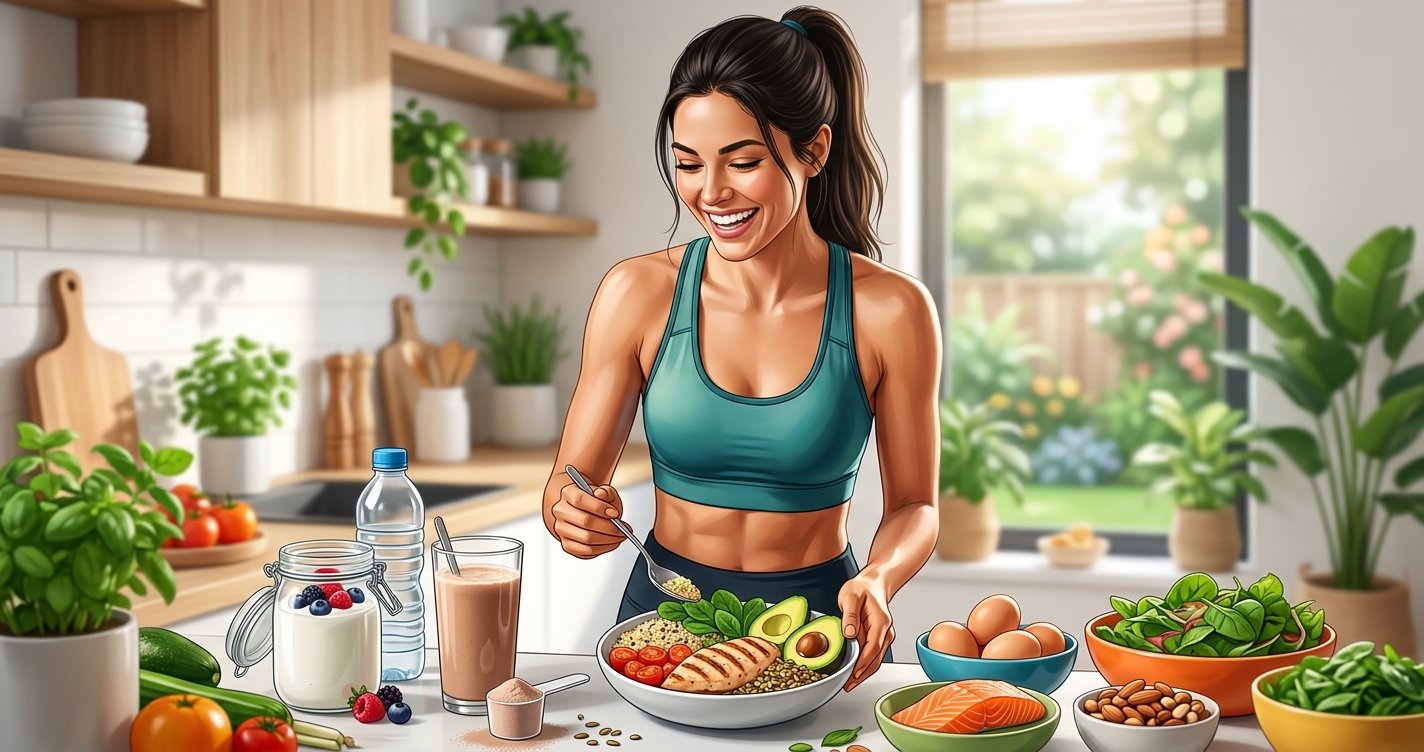
Protein Power: Unlock Your Fat Loss Potential for a Leaner You
Hey there, future leaner self! Are you on a journey to shed some unwanted fat, but feel like you're constantly battling hunger, sluggish metabolism, or losing muscle instead of fat? You're not alone! Fat loss can feel like a complex puzzle, but what if we told you there's one powerful nutrient that could be your ultimate ally? We're talking about protein!
Often hailed by fitness enthusiasts, protein isn't just for bodybuilders. It's a fundamental macronutrient that plays a crucial, often underestimated, role in effective and sustainable fat loss. Forget extreme diets; by understanding and leveraging the power of protein, you can transform your body, boost your metabolism, and feel more satisfied throughout your day. Ready to dive into the evidence-based secrets of protein for fat loss? Let's go! this excellent wellness product
Why Protein is Your Secret Weapon for Fat Loss
Protein isn't just about building biceps; it's a powerhouse when it comes to burning fat and maintaining a healthy body composition. Here's why it deserves a prime spot on your plate:
The Satiety Factor: Feeling Fuller, Longer
One of the biggest challenges in a fat loss journey is managing hunger. Cravings and constant feelings of emptiness can quickly derail even the most determined efforts. This is where protein shines! Protein is incredibly satiating, meaning it helps you feel full and satisfied for longer periods compared to carbohydrates or fats.
- Reduced Hunger: Studies consistently show that higher protein intake leads to reduced appetite and fewer cravings.
- Hormonal Harmony: Protein influences hunger hormones like ghrelin (the 'hunger hormone') and GLP-1 (a 'satiety hormone'), helping to regulate your appetite more effectively.
- Less Snacking: When you're genuinely full, you're less likely to reach for unhealthy snacks between meals, naturally leading to a reduction in overall calorie intake.
Boosting Your Metabolism: The Thermic Effect of Food (TEF)
Did you know that just eating food burns calories? This is known as the Thermic Effect of Food (TEF), and protein has the highest TEF of all macronutrients. This means your body expends more energy to digest, absorb, and metabolize protein than it does for carbs or fats.
- Higher Calorie Burn: Approximately 20-30% of the calories from protein are burned during digestion, compared to 5-10% for carbs and 0-3% for fats.
- Metabolic Advantage: By increasing your protein intake, you essentially give your metabolism a gentle, continuous boost throughout the day, contributing to a greater overall calorie expenditure.
Preserving Muscle, Burning Fat: The Lean Body Mass Connection
When you're in a calorie deficit for fat loss, there's always a risk of losing valuable muscle mass along with fat. Losing muscle is detrimental because muscle is metabolically active, meaning it burns more calories at rest than fat does. A higher protein intake is crucial for preserving your lean muscle mass.
- Muscle Protection: Protein provides the amino acids necessary for muscle repair and synthesis, signaling your body to hold onto muscle tissue even when calories are restricted.
- Improved Body Composition: By maintaining or even building muscle while losing fat, you'll achieve a more toned, lean physique, rather than just being 'skinny fat'.
- Sustainable Results: More muscle means a higher resting metabolic rate, making it easier to maintain your fat loss in the long run.
How Much Protein Do You Really Need?
This is a common question, and the answer isn't a one-size-fits-all. While the Recommended Dietary Allowance (RDA) for protein is 0.8 grams per kilogram of body weight, this is merely a minimum to prevent deficiency, not necessarily optimal for fat loss or active individuals.
Tailoring Your Intake: Factors to Consider
Several factors influence your ideal protein intake:
- Activity Level: If you're physically active, especially if you engage in strength training, your protein needs will be higher.
- Body Composition Goals: For fat loss and muscle preservation, a higher intake is generally beneficial.
- Age: Protein needs can increase with age to combat sarcopenia (age-related muscle loss).
- Current Weight: Often, recommendations are based on your lean body mass or goal weight rather than your current total weight, especially if you carry significant excess weight.
The "Sweet Spot" for Fat Loss
For most individuals aiming for fat loss, current evidence suggests a protein intake ranging from 1.6 to 2.2 grams per kilogram of body weight (0.7 to 1.0 grams per pound) is optimal. For example, if you weigh 70 kg (about 154 lbs), aiming for 112-154 grams of protein per day would be a great target.
Don't fret if these numbers seem high initially! We'll show you how easy it can be to incorporate more protein into your daily meals.
Smart Protein Choices: Fueling Your Body Right
Now that you know how much protein you need, let's talk about where to get it. The good news is there's a vast array of delicious and nutritious protein sources available.
Lean Animal Sources
- Chicken & Turkey Breast: Excellent lean options, versatile for many dishes.
- Lean Beef & Pork: Look for cuts like sirloin, tenderloin, or lean ground options.
- Fish & Seafood: Salmon (rich in omega-3s!), tuna, cod, shrimp, and tilapia are fantastic.
- Eggs: The ultimate complete protein, incredibly versatile and affordable.
Plant-Based Powerhouses
- Legumes: Lentils, chickpeas, black beans, kidney beans are packed with protein and fiber.
- Tofu & Tempeh: Soy-based options that absorb flavors beautifully.
- Edamame: A complete protein, great for snacking or adding to salads.
- Quinoa: A complete grain protein that can be used as a base for meals.
- Nuts & Seeds: Almonds, walnuts, chia seeds, flax seeds, pumpkin seeds offer protein and healthy fats.
- Seitan: A wheat-based protein with a meaty texture.
Don't Forget Dairy and Eggs
- Greek Yogurt: High in protein, especially the plain, unsweetened varieties.
- Cottage Cheese: A slow-digesting protein source, great for satiety.
- Milk: A good source of protein and calcium.
Practical Tips to Boost Your Protein Intake
Increasing your protein intake doesn't have to be complicated or boring. Here are some simple, actionable strategies to make it a seamless part of your daily routine:
Start Strong with Breakfast
Many people skip protein at breakfast, opting for carb-heavy choices. Make breakfast your protein priority to kickstart your metabolism and curb morning hunger.
- Add eggs to your morning routine.
- Opt for Greek yogurt with berries and nuts.
- Blend a protein smoothie with fruit and spinach.
Protein at Every Meal
Instead of front-loading or back-loading your protein, aim to distribute it evenly throughout your day. This helps maintain muscle protein synthesis and keeps you full consistently.
- Include a palm-sized portion of lean protein with lunch and dinner.
- Think beyond just meat: add lentils to soup, chickpeas to salads, or tofu to stir-fries.
Smart Snacking
When hunger strikes between meals, reach for protein-rich snacks instead of processed carbs.
- Hard-boiled eggs
- Cottage cheese or string cheese
- A handful of almonds or walnuts
- Beef jerky (low sodium)
- Edamame
Supplementing Wisely (If Needed)
While whole foods should always be your primary source, protein supplements can be a convenient way to hit your targets, especially after workouts or on busy days.
- Whey Protein: Fast-digesting, great post-workout.
- Casein Protein: Slow-digesting, good before bed.
- Plant-Based Protein: Pea, rice, or soy protein powders are excellent alternatives.
Always choose supplements from reputable brands and check the ingredient list.
Beyond the Scale: The Holistic Benefits of Protein
While our focus here is fat loss, it's worth noting that increasing your protein intake offers a wealth of other health benefits:
- Stronger Bones: Adequate protein intake is linked to better bone mineral density.
- Improved Hair, Skin, and Nails: Protein is essential for the structural integrity of these tissues.
- Better Immune Function: Antibodies, which fight off infections, are made from protein.
- Enhanced Recovery: Crucial for repairing tissues after exercise or injury.
Your Protein-Powered Fat Loss Journey Starts Now!
There you have it! Protein isn't just another fad; it's a scientifically-backed, essential nutrient that can revolutionize your fat loss journey. By prioritizing protein, you'll naturally reduce hunger, boost your metabolism, protect your precious muscle mass, and feel fantastic while doing it.
Remember, consistency is key. Start by making small, sustainable changes. Swap out a sugary breakfast for eggs, add some lentils to your salad, or grab a handful of nuts instead of chips. Your body will thank you, and you'll be well on your way to achieving your fat loss goals and embracing a leaner, stronger, and more vibrant you. You've got this!